
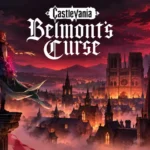
Castlevania: Belmont’s Curse Feature Scores
Explore all 89 feature scores for Castlevania: Belmont’s Curse, organized into pros and cons.
Scores by Feature
Summary
89 reviewed features-
Very positive 4.5-5.018 (20%)
-
Positive 3.5-4.445 (51%)
-
Neutral 2.5-3.418 (20%)
-
Negative 1.5-2.48 (9%)
Pros
Sort
-
The vivid gothic art, tarot illustrations, and painterly backgrounds are widely admired. Its brighter, more stylized look is less appealing to players who want a darker traditional aesthetic.
-
Layered backgrounds, gothic architecture, and detailed vistas make many locations memorable. One sharply negative demo impression found the environments bland instead.
-
Combat is the clearest strength, combining weapon-specific attacks, grappling, spells, and parries. Crowded encounters and occasional sluggishness can interrupt that flow.
-
Boss battles frequently stand out for inventive patterns, striking designs, and demanding use of movement. A smaller group finds them uneven, forgettable, or frustratingly spongy.
-
Whip-assisted movement often feels fluid, acrobatic, and exciting, especially as new abilities arrive. Early sluggishness and awkward grapple follow-ups frustrate some players.
-
The overall response is favorable, with many calling it a strong or excellent comeback. More reserved reactions see an enjoyable foundation held back by uneven difficulty, technical issues, or a weaker franchise identity.
-
Hidden rooms, meaningful upgrades, and optional areas make exploration rewarding. Cryptic progression, repeated routes, and distant travel points can turn discovery into a chore.
-
Fluid movement and expressive combat animations are consistent highlights. The transitions between running, jumping, and grappling help sell the acrobatic action.
-
The whip and tarot abilities connect traversal, combat, and progression in satisfying ways. A minority find the individual mechanics inconsistent or too familiar.
-
Weapons, spells, and three relic slots allow enjoyable combinations without excessive complexity. The freedom to adapt builds is a strength, though frequent menu use can interrupt experimentation.
-
The strongest reactions describe a highly enjoyable, absorbing adventure. Combat and discovery keep those players eager to return even after setbacks.
-
Adjustable damage, healing, and boss respawns make the game easier to tailor to different skill levels. Most welcome that flexibility, though a few dislike the toggles or find they do not solve platforming frustrations.
-
The lower price earns strong approval, especially given the amount of exploration and optional content. Players repeatedly describe it as good value.
-
Environmental clues, portraits, and room-specific mechanics produce satisfying discoveries. Some puzzles cross into obscurity or become frustrating when progress depends on finding a particular trigger.
-
Distinct weapon families, spells, and encounter combinations give the action welcome variety. The available toolkit feels more expansive to some players than to others.
-
Voice performances are mostly well received and help bring the cast to life. Some find the English delivery uneven, while the Japanese dub receives a particularly favorable comparison.
-
A burning Paris, gothic interiors, and evocative audio create a strong sense of place. Brighter visuals and frequent chatter dilute the mood for some traditionalists.
-
Works of Mercy encourages experimentation by tying spell upgrades to practical challenges. Repetitive requirements and uneven weapon upgrade rewards can make advancement feel like busywork.
-
The soundtrack sharply divides opinion: some love its orchestral and electronic blend, while others miss the memorable melodies of older entries. Reworked classics are a particular point of disagreement.
-
Rose is often praised as a confident, vulnerable, and engaging new Belmont. Her headstrong personality is less convincing to those who want more agency or complexity.
-
The castle’s distinct rooms, secrets, and shortcuts earn broad praise. Opinions are less enthusiastic about the early areas and how well the larger regions connect.
-
Captured bosses bring distinct personalities and rivalries to Rose’s journey. Some players wish the wider cast contributed more, while others find the constant commentary excessive.
-
The main adventure and optional discoveries generally feel substantial without overstaying their welcome. One player finds it a little short despite its density.
-
Franchise callbacks and ties to earlier events reward familiarity with Castlevania’s history. French historical references add another layer of interest.
-
Rose’s curse and her captured companions give the adventure more story presence than many expected. Reactions split over predictability, excessive explanation, and a tone that can feel more anime than gothic.
-
Franchise identity is a central disagreement. Many celebrate a thoughtful modernization, while others miss the RPG detail, atmosphere, and signature oddities of earlier Castlevanias.
-
Hunting bosses, gaining powers, and opening new paths creates a compelling loop for most. One disappointed demo player found the loop slow and unrewarding.
-
The ruined Paris setting and its history make the world engaging. A few reactions miss the ordinary people and encounters that would make its spaces feel more inhabited.
-
Tarot-themed menus are attractive and generally easy to understand. Cropped item information on Steam Deck undermines their usability.
-
The wider cast earns praise for interesting, distinct personalities. Creative companions help the journey feel lively beyond Rose’s own story.
-
The core action and presentation are often described as polished and carefully executed. That finish helps the revival make a strong impression.
-
Tarot investigations give boss hunts a clear purpose, with late-game searches attracting the strongest praise. Familiar tricks make those quests less surprising for some genre veterans.
-
Tarot clues can make investigation satisfying without simply placing an objective marker. Their clarity varies, and some players find the hints too cryptic or too limited when stuck.
-
Bickering companions and eccentric personalities bring welcome humor and levity. These lighter exchanges help make the dark journey feel less lonely.
-
Meaningful hidden rewards make optional searches worthwhile. Weapons, equipment, and upgrades help give discoveries a useful payoff.
-
Exploration rewards are valued for giving hidden chests and optional routes a tangible payoff. Weapons and useful passive equipment make discoveries feel worthwhile.
-
Many find the controls responsive, but others report input delay, long animations, or unreliable grappling. Platform and build differences matter when judging how crisp the action feels.
-
Refreshed classic monsters can look imposing and give combat personality. Criticism centers on generic designs, excessive health, and enemies that feel more annoying than interesting.
-
Companion banter can make the journey lively, funny, and less lonely. Frequent interruptions and overexplaining wear on players who prefer a quieter atmosphere.
-
Distinct weapon styles reward experimentation and situational choices. Strong upgrades and dominant late-game options sometimes make other weapons feel redundant.
-
The blend of French history, gothic locations, and compelling exploration makes the world absorbing. Strong atmosphere helps sustain the desire to investigate.
-
Family loss, personal growth, and moments of redemption give the story unexpected emotional pull. Rose’s relationships provide much of that impact.
-
Map markers, completion tracking, and tarot clues help organize exploration. Even so, unclear objectives and awkward connections leave some players wandering for long stretches.
-
Rose’s growth and vulnerability give her arc emotional weight for many. Others see a determined heroine who changes too little or remains an underdeveloped archetype.
-
The writing is praised for personal stakes, thematic clarity, and eccentric characters. Other reactions point to weak scripts or dialogue that gives away too much.
-
Multiple endings and unfinished discoveries give reasons to keep playing. The lack of New Game+ and concerns about shallow upgrades limit the appeal for some repeat players.
-
Handheld play can be enjoyable, particularly on Switch 2’s smaller screen. Steam Deck performance and cropped menus require more compromise.
-
Platforming can be exhilarating when jumps, grapples, and light abilities click together. Its tight timing and repeated hazard rooms also produce some of the strongest complaints.
-
The physical edition appeals to collectors, with enthusiasm for owning the game and praise for the steelbook presentation.
-
Some players can read attacks clearly even in hectic fights, while others lose track amid projectiles and effects. That split matters in a game built around precise defensive timing.
-
Keeping progress and experience after death can make retries feel productive. Poor respawn positions and lengthy returns to danger still create frustration.
-
Snappy whip cracks and impactful combat sounds help the action feel satisfying. One review criticizes the overall audio quality.
-
Boss patterns and combat rhythms become satisfying as they click. Animation commitments and unfamiliar movement timing can take some adjustment.
-
Learning the core moves is often handled well, but important systems are not always explained clearly. Mirror travel in particular is easy to discover late.
-
A familiar returning voice is especially rewarding for a longtime fan. The casting continuity adds an appreciated connection to earlier games.
-
The horrors are intimidating without overwhelming the empowering rhythm of play. That balance gives the macabre setting tension without making it oppressive.
-
The open-ended world leaves room for branching discoveries while keeping the main route manageable. Its initial linear stretch gives way to a more inviting search for secrets.
-
The steelbook earns direct praise for its appearance, adding appeal to the physical package.
-
A full physical release is enthusiastically welcomed, especially by a player planning to keep it in a collection.
-
The opening teaches movement and combat through practical encounters, making the basics approachable without removing the challenge.
-
The macabre presentation is praised for restraint rather than for sheer intensity. Its intimidating horrors remain stylized instead of excessively grotesque.
-
Opinions split on repetition: some enjoy farming enemies for experience and testing combinations, while others find prescribed spell-upgrade tasks taxing.
-
Streamlined equipment removes the routine of constantly equipping whichever armor has the highest stats. That reduced busywork is appreciated.
Cons
Sort
-
The absence of a native Switch 2 version disappoints players who want the newer hardware used more fully. Resolution and control concerns strengthen that criticism.
-
Fast travel helps with backtracking, but its locations, discovery, and extra transitions often feel cumbersome. Several players find revisiting distant areas slower than it should be.
-
Loading is a recurring frustration, especially when mirror travel adds multiple transitions. Waiting repeatedly can make useful shortcuts feel slow.
-
Limited healing makes long gauntlets and crowded encounters stressful. Mana-supported spell combinations are appreciated, but scarce restoratives and interrupted casts can make resource management feel punishing.
-
Enemies can track jumps and time attacks around dodges with frustrating precision. That behavior makes already demanding traversal and gauntlets feel less forgiving.
-
Crashes and freezes affect a handful of playthroughs. Reports include repeated Switch crashes and two freezes on PS5 Pro.
-
The leaner RPG systems divide opinion: some appreciate less equipment busywork, while others miss richer statistics, loot drops, and build depth.
-
PC graphics options are criticized as sparse or absent, leaving little room to recover performance beyond changing resolution.
-
The short demo is criticized for underselling the full game. Later movement options and stronger areas make the adventure feel different from its opening slice.
-
Flashes and impact effects can overwhelm the screen or feel distracting. These touches do not work equally well for players who value restrained, readable action.
-
Precise whip aiming can be finicky, with missed anchors or unintended targets disrupting traversal and combat.
-
The camera can drop ahead of Rose during falls, making incoming hazards difficult to react to in time.
-
Some see a distinctive identity, but many feel the game borrows too safely from established Metroidvanias. A competent revival does not always feel like a new benchmark.
-
Checkpoint spacing is one of the most disputed design choices. Distant save rooms can mean tiring runbacks, while optional boss-door respawns considerably reduce frustration.
-
The adventure often improves once the castle opens up, but the early hours can drag. Repeated backtracking and long stretches between useful travel points are recurring interruptions.
-
The whip and tarot systems bring welcome fresh ideas for some. Others find the exploration tricks and movement upgrades too conventional.
-
Menu reactions split between quick, clear operation and interruptions to combat flow. Frequent equipment swapping, cropped text, and occasional hitches are the main complaints.
-
Optional objectives can encourage fresh approaches and exploration. Repetitive or uninspired combat challenges are less successful.
-
Several players encounter few bugs, but others report windowed-mode problems, a fast-travel glitch, or an HDR pop-up that prevents loading. The issues described vary substantially.
-
There is some freedom to choose routes and approach the ending early. Players hoping for extensive sequence breaking may find the progression rules surprisingly rigid.
-
Performance varies by platform and build, with solid experiences alongside frame drops, menu hitches, and disappointing handheld results. A stable presentation is not consistent across all reports.
-
Enemy variety is disputed: familiar monsters delight some players, while others tire of recolors and repeated types. Combat combinations sometimes compensate for the smaller roster.
-
Some versions maintain smooth action, while others show noticeable drops or limiting frame caps. Switch 2 reports are generally more favorable than original Switch and Steam Deck accounts.
-
The game can look striking in motion, but character models and image clarity receive mixed reactions. Nintendo versions draw repeated complaints about blur and low resolution.
-
The challenge can be rewarding, with learnable patterns and meaningful skill tests. Difficulty spikes, crowded rooms, and overpowered late-game equipment create an uneven curve for others.
-
New abilities and equipment usually make Rose’s growth satisfying. Slow access to mobility tools and small level-up bonuses leave some players underwhelmed.
Use Cases
Best for
Sort
-
Many consider it a welcoming entry point, with a standalone story and adaptable challenge. One view stresses that the lore means more if Castlevania is already familiar.
-
Optional bosses, hidden areas, and the true ending give completionists substantial reasons to explore. Obscure requirements and slow travel can make the final cleanup tedious.
-
Players who enjoy learning demanding fights and movement sequences have plenty to master. The challenge is rewarding at its best, though some sections can test patience as much as skill.
-
Weapon, spell, and relic combinations reward players who enjoy tuning a build. Frequent equipment menus can make detailed optimization less convenient than the combat system suggests.
-
The gothic setting, monster hunting, and October timing make it a natural Halloween pick. Its spooky atmosphere suits seasonal play.
-
Late-game and optional platforming are especially appealing to players who enjoyed Prince of Persia: The Lost Crown. The strongest recommendations celebrate its demanding movement challenges.
-
A strong choice for Metroidvania fans who want rewarding exploration and action. Enthusiastic recommendations highlight the satisfying mix of secrets, weapons, and traversal.
-
Returning Castlevania fans have plenty of callbacks and familiar imagery to enjoy. Suitability depends on whether they welcome the modernization or primarily want the older RPG-heavy formula.
-
Switch 2 handheld play earns praise for looking and feeling better on a smaller screen. Steam Deck remains playable with a lower frame-rate target and some interface caveats.
-
A strong fit for players who like decoding environmental clues without a guide. Careful observation, map tools, and cryptic hints make discoveries feel earned.
-
Personal stakes and story turns give twist-seekers something to follow beyond another Dracula resurrection. The enthusiastic response highlights surprises that keep the narrative from feeling stale.
-
Accessibility adjustments preserve achievement and trophy eligibility, so trophy hunters can tailor the challenge without giving up that goal.
-
Difficulty modifiers help less experienced players work through the adventure. More healing and flexible retry options make demanding encounters easier to manage.
-
Multiple endings allow shorter routes, but the structure offers limited room for sequence breaks. Speedrunning has potential without the same freedom as a more open sandbox.
Conditional or not ideal for
Sort
-
Roguelike fansA poor fit for someone specifically seeking Dead Cells-style randomized runs. The disappointment comes from receiving a fixed Metroidvania adventure instead of the roguelike structure expected.
-
Time-pressure-sensitive playersA timed platforming chase can be intensely stressful for players who dislike countdown pressure. Its backward route and strict timing are a particularly poor fit for that preference.
-
Players sensitive to visual clutterHeavy flashes and overlapping attacks can make action difficult to follow. Players sensitive to visual clutter may find crowded encounters especially frustrating.
-
TV gamingPlayers seeking a crisp television presentation may find Nintendo’s docked output disappointing. Blur, small character detail, and low resolution are more apparent on a large screen.
-
Players sensitive to low frame ratesSteam Deck players who expect a stable 60fps may be disappointed by the compromises required. A 40fps lock is presented as a more workable option.