Best for AI behavior
Kingdom Come: Deliverance II
4.7 attribute score
Highest scored product for this attribute based on supporting review evidence.

Highest scored product for this attribute based on supporting review evidence.
Balances the attribute score, supporting reviews, and overall product strength.
Has the broadest review evidence for this attribute.
Strongest overall product among items with scored evidence for this attribute.

AI and NPC behavior were praised for believable reactions, routines, crime responses, and increased sophistication over the first game.
Pros: combat system, narrative quality
Cons: save system reliability, learning curve

Reviewers generally praised Arc enemies as unusually intelligent, dangerous, and unpredictable, though one review noted moments where enemies lose track or navigate poorly.
Pros: sound design, combat system
Cons: voice acting, menu usability
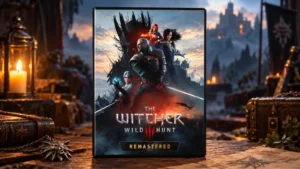
Enemies dodge and coordinate attacks more convincingly, encouraging more varied use of swords, Signs and equipment rather than repeated attacks.
Pros: graphics quality, value for money
Cons: performance optimization, frame rate stability

Creature behavior helps Idyll feel alive, with Aniimo resting, playing, reacting to habitats, and changing with conditions. Pre-launch updates also drew praise for expanding idle behaviors.
Pros: fun factor, gameplay mechanics
Cons: monetization fairness, menu usability

Enemy behavior supports tactical play: aggressive foes can be manipulated into groups, and one source specifically praises their behavior and variety as a combat strength.
Pros: atmosphere, exploration quality
Cons: map and navigation design, bug frequency
Enemy behavior is generally capable and improved over earlier showings, with foes reacting intelligently enough to punish predictable play. It is one of the areas that appears to have benefited...
Pros: combat system, fun factor
Cons: content variety, polish
AI behavior received limited but positive support for enemy responses that punish careless play.
Pros: combat system, replay value
Cons: narrative quality, grind level

The automatic-playing character is judged surprisingly capable, with good aim in most situations. Pairing it with another character provides a useful way to raise levels and clear older stages.
Pros: fun factor, upgrade system
Cons: user interface design, grind level

Enemy behavior is praised for readable signaling that lets players counter attacks, supporting fairer high-pressure encounters.
Pros: combat system, character roster
Cons: narrative quality, learning curve

Enemy perception receives positive attention where stealth is described as sound-driven, with enemies reacting to audio as well as sight.
Pros: combat system, narrative quality
Cons: grind level, innovation

AI behavior was praised in combat-focused reviews for swarming, faction pressure, and strong arena behavior.
Pros: content variety, narrative quality
Cons: pacing

Enemy behavior was often praised as eerie and strategic, though one review found a later stalker overused.
Pros: pacing, combat system
Cons: originality

Enemy AI behavior was praised for aggression, long pursuit, and pressure from basic enemies.
Pros: combat system, companion AI
Cons: open-world design, movement feel

World Stage’s player-inspired opponents are often praised for feeling more human and varied than ordinary CPU fighters, though several players still notice repetition or limits in higher-level adaptation.
Pros: remake/remaster quality, combat system
Cons: content variety, character customization

Enemy AI drew positive notes when reviewers noticed smarter or more active opponents, though the praise was modest rather than central.
Pros: remake/remaster quality, voice acting
Cons: content variety, camera behavior
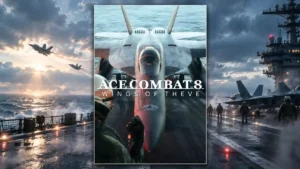
Enemy pilots can use clouds, flares, and evasive maneuvers convincingly enough to make tougher dogfights feel reactive rather than purely scripted.
Pros: narrative quality, fun factor
Cons: dialogue quality, difficulty balance

AI behavior has limited scored evidence, but enemies are credited with making the player adapt to tactics in memorable ways.
Pros: movement feel, loot system
Cons: performance optimization, narrative quality

Auto-battle AI was positively noted as capable of clearing straightforward fights, especially during grinding.
Pros: progression system, narrative quality
Cons: pacing, content variety
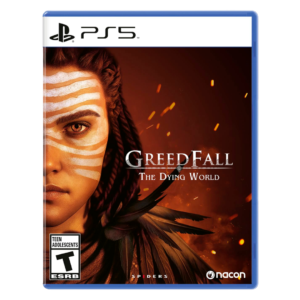
Enemy groups can create useful tactical pressure by having melee units rush the party while ranged foes take positions behind them.
Pros: narrative quality, side character depth
Cons: combat system, polish

One reviewer found the higher-level racing satisfyingly close without obvious rubber-banding, suggesting the AI can provide fair competition when it is pushed.
Pros: fun factor, open-world design
Cons: collectibles, originality
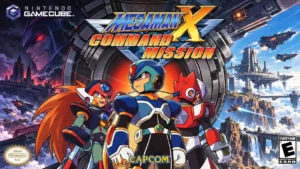
Nurse enemies can surrender and heal the party after their allies are defeated, creating a useful alternative to spending scarce healing reserves.
Pros: combat system, overall quality
Cons: fun factor, narrative quality
Enemies often flank, reposition, throw grenades, and pressure the player instead of standing still. Pathfinding and wall-stuck bugs can undermine that intelligence, especially in a few later encounters.
Pros: fun factor, core gameplay loop
Cons: difficulty balance, narrative quality

AI behavior is mixed-positive: reviewers liked more realistic reactions and aggressive enemy behavior, but one still noticed enemies waiting their turn.
Pros: graphics quality, remake/remaster quality
Cons: DLC value, multiplayer design

The remake substantially reduces Yakuza 3’s notorious block-heavy enemy behavior, though a few reviewers still found defensive enemies irritating.
Pros: fun factor, combat system
Cons: pacing, battle mode quality

AI behavior gets qualified praise for reacting to sound and light, though one reviewer noted stealth AI can still be cheesed.
Pros: stealth mechanics, graphics quality
Cons: narrative quality, mission variety

AI defense and team behavior are generally smarter and more believable, especially around help defense and positioning. A few sources still note stagnant possessions or odd decisions.
Pros: gameplay mechanics, fun factor
Cons: microtransaction impact, animation quality

AI governors can be easy to manipulate in some situations, which helps trade-focused play but may soften the challenge.
Pros: fun factor, graphics quality
Cons: learning curve, bug frequency

Enemy AI was considered serviceable but not especially smart; later impressions suggested fights remain engaging without feeling brain-dead.
Pros: combat system, narrative quality
Cons: difficulty balance, enemy variety

Opponent AI is only modestly smarter than earlier entries, occasionally using items or switching, and rarely creates a serious tactical wall.
Pros: fun factor, faithfulness to franchise
Cons: remake/remaster quality, value for money

Enemy behavior is usually straightforward, but some field encounters show unexpectedly sharp tactics that can contribute to sudden difficulty spikes.
Pros: combat system, soundtrack quality
Cons: narrative quality, exploration quality

Team AI is one of the most divisive upgrades. Some players see smarter positioning, situational pressure, and useful playbook identities, while others find teammates lost, teams too similar, or the...
Pros: atmosphere, gameplay mechanics
Cons: AI behavior, commentary quality

The Miis' semi-autonomous behavior creates enjoyable unpredictability, though reviewers also identify repeated patterns and limited spontaneity over time.
Pros: character customization, fun factor
Cons: content variety, gameplay mechanics
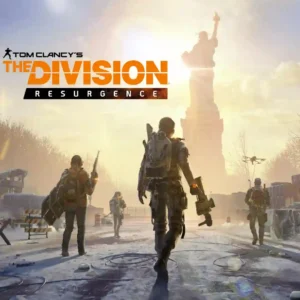
Enemy behavior is inconsistent: some foes flank and pressure careless players, while others act predictably or foolishly.
Pros: content variety, controls responsiveness
Cons: narrative quality, menu usability

Off-ball attacking movement and reduced defensive automation often make play feel more skill-driven, but CPU positioning and decisions remain inconsistent. Several reviews still report defenders wandering, teammates making poor choices,...
Pros: gameplay mechanics, progression system
Cons: open-world design, AI behavior
More consistent detection is a major improvement over the original 2033. Reactions remain divisive: some find opponents believable and tactical, while many report oblivious guards, predictable rushing, or poor navigation.
Pros: graphics quality, overall quality
Cons: AI behavior, pacing

AI is highly context-dependent: automation often handles delegated chores well and can teach newer players, while strategic opponents and some automated economic decisions are criticized as passive, erratic, or suboptimal.
Pros: gameplay mechanics, fun factor
Cons: learning curve, AI behavior

Enemy AI is dangerous, aggressive, and often smart enough to flank, pressure, or expose players to rival squads. Balance has shifted through patches, and some players still find the bots...
Pros: fun factor, loot system
Cons: difficulty balance, quest design

AI-related features were mixed: V-Rival-style practice was useful, while some World Tour AI behavior drew criticism.
Pros: accessibility options, combat system
Cons: narrative quality, frame rate stability

AI behavior is mixed: some Drivatar implementations feel convincing, while other reviews complain about empty roads, reckless autodrive, inconsistent racing AI, or pack chaos.
Pros: graphics quality, driving mechanics
Cons: world interactivity, AI behavior
End Times diplomacy can create convincing temporary alliances, but campaign AI remains inconsistent. Nagash can dominate neighboring factions too aggressively, while allied AI sometimes collapses during crisis scenarios.
Pros: gameplay mechanics, fun factor
Cons: AI behavior, polish

AI opponents are often smarter, more reactive, and better at changing tactics, which makes matches tougher. At higher difficulty, though, reversal behavior can feel unfair or unpredictable.
Pros: fun factor, gameplay mechanics
Cons: grind level, value for money

Enemy AI was sharply split between smart tactical behavior and complaints about idling, aggro, detection, or rough enemy decisions.
Pros: combat system, progression system
Cons: pacing, AI behavior

Enemy and AI behavior is mixed: some AI quirks weaken tension, but other reviewers say awkward moments are rare or do not break the horror.
Pros: narrative quality, atmosphere
Cons: puzzle design, fun factor

Aggressive opponents can add welcome chaos, and AI backfill helps keep online fields populated. Other accounts criticize excessive rubber-banding, intrusive attacks, or unreliable automatic recovery after a crash.
Pros: fun factor, overall quality
Cons: difficulty balance, pacing

Walker behavior is inconsistent: some encounters become exciting when the undead attack Saviors, but other enemies can be easily herded, ignored, or become stuck. The best moments come from using...
Pros: fun factor, faithfulness to franchise
Cons: combat system, game length

AI behavior is mixed to weak, with rubber-banding, hard spikes, and occasional runaway opponents offset by one reviewer noticing improvement.
Pros: graphics quality, accessibility options
Cons: AI behavior, difficulty balance

Enemy patterns become learnable, but at least one player found some attacks unexpectedly hard to read until those behaviors were memorized.
Pros: core gameplay loop, difficulty balance
Cons: narrative quality, load times

Enemy behavior ranges from predictable attacks to aggressive pursuit and timing-sensitive threats. Different patterns sometimes sustain engagement, but pursuit through cramped spaces can become annoying.
Pros: overall quality, atmosphere
Cons: boss design, movement feel

Residents following daily routines help the city feel alive, and optional encounters can feel pleasantly organic. Restaurant employees receive much harsher criticism for slow service and questionable restocking.
Pros: overall quality, shopkeeping system
Cons: performance optimization, pacing

Enemy AI is a repeated weak spot, with reviewers noting it is not especially sharp even when combat remains fun.
Pros: narrative quality, combat system
Cons: difficulty balance, weapon balance