Best for heat management
Netgear Nighthawk M7
5.0 attribute score
Highest scored product for this attribute based on supporting review evidence.

Highest scored product for this attribute based on supporting review evidence.
Balances the attribute score, supporting reviews, and overall product strength.
Has the broadest review evidence for this attribute.
Strongest overall product among items with scored evidence for this attribute.
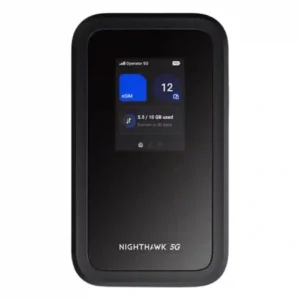
Overall: 4.1/5
Even under sustained or heavy use, the M7 only became mildly warm and avoided uncomfortable heat.
Pros: eSIM flexibility, cellular connectivity
Cons: interface responsiveness, Ethernet port count

Overall: 4.4/5
The passive cooling keeps the router warm rather than concerningly hot in continuous use.
Pros: setup ease, configuration flexibility
Cons: Wi-Fi 7 support, USB storage sharing
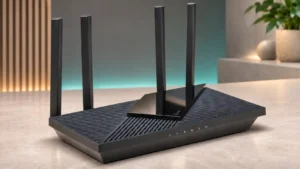
Overall: 4.0/5
Ventilation and heatsinks generally keep the router cool even under sustained traffic, though some users report warmth at peak usage.
Pros: value for money, parental controls
Cons: subscription requirements, multi-gig Ethernet support
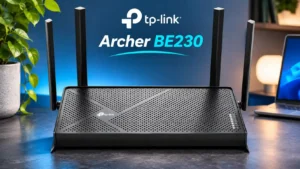
Overall: 4.1/5
Passive cooling keeps temperatures comfortably controlled, even during substantial traffic.
Pros: value for money, Wi-Fi speed
Cons: 6 GHz performance, subscription requirements

Overall: 4.3/5
Passive cooling keeps the device quiet and reasonably cool during use and sustained workloads.
Pros: Wi-Fi speed, Ethernet port count
Cons: 10 GbE support, WAN port speed

Overall: 4.3/5
Ventilation is generally praised and tested units are reported to remain cool under load.
Pros: value for money, Wi-Fi speed
Cons: subscription requirements, WAN port speed

Overall: 4.2/5
Ventilation and passive cooling keep the hardware reasonably cool during intense use.
Pros: value for money, Wi-Fi speed
Cons: subscription requirements, long-range speed
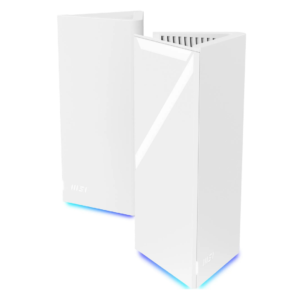
Overall: 4.3/5
Passive cooling and generous ventilation kept the nodes only slightly warm, with no fan noise reported.
Pros: value for money, design and appearance
Cons: node pairing ease, outdoor coverage

Overall: 3.7/5
Ventilation is reasonably generous, and one comparison found the AX10 ran cooler than its pricier sibling.
Pros: Overall satisfaction, value for money
Cons: USB port support, 160 MHz support

Overall: 4.5/5
Thermals are generally controlled, with some units becoming warm but not concerning and fan controls available in software. Reports differ on whether the fan runs often, but noise is described...
Pros: VPN client support, value for money
Cons: 6 GHz performance, USB storage sharing
Overall: 4.0/5
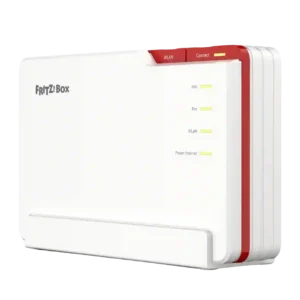
Thermal results are mixed across tests: one measured a very cool fanless chassis, while another noticed meaningful heat under load.
Pros: telephony features, value for money
Cons: LAN port speed, wall-mounting support
Overall: 4.1/5
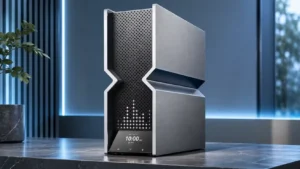
The housing can become quite warm under testing, even with active cooling.
Pros: wireless performance, Wi-Fi speed
Cons: value for money, size and footprint