If you want better mission design
Choose SiN: Reloaded. It scores 5.0 vs 3.0 for mission design, with a 4.3 overall score.

Human and mutant combat includes close-up knife kills, blood, and disturbing attacks in claustrophobic horror settings. Nudity, sexualized encounters, and bleak depictions of human cruelty make this best suited to older teens.
Choose Metro Redux for absorbing stories, stealth, and survival tension across two campaigns. Skip if scripted downtime, inconsistent AI, or managing scarce ammunition and air filters would spoil the experience.
Players who enjoy story-driven solo shooters, patient stealth, and oppressive survival horror. Newcomers gain the most from the complete campaigns and improved 2033 systems.
Players seeking open exploration, uninterrupted action, or consistently clever enemies. Switch players relying on bright-room handheld sessions may struggle with the dark scenes.
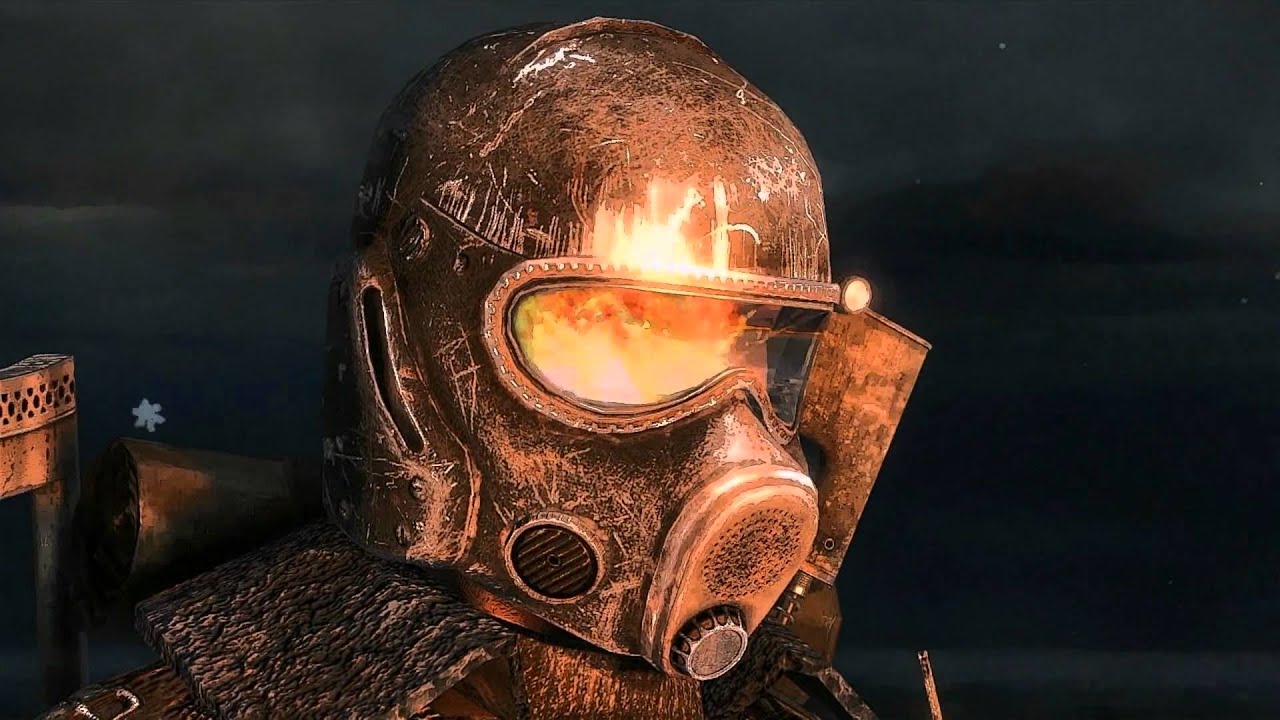
Metro Redux is most convincing as a journey through a ruined society, where overheard conversations, fragile equipment, and haunted tunnels make survival feel immediate. The rebuilt 2033 gains substantially from Last Light’s controls, menus, stealth systems, and visual technology, while the sequel offers broader encounters and a frequently preferred story. Survival and Spartan settings let players adjust the emphasis, although scarcity and difficulty spikes can still frustrate. Enemy behavior is the largest recurring design weakness, with opinions ranging from believable reactions to oblivious guards and predictable rushing. Switch brings impressive portability and generally stable 30fps play, traded against dark-screen visibility and sometimes lengthy loading. Newcomers get the strongest value; existing Last Light owners have fewer compelling reasons to buy again.
Compared with other Video Games, this product is above average in physical release format, stealth mechanics, aiming precision, near average in atmosphere, combat system, below average in character diversity, haptic feedback integration, boss design.
| Attribute | This product | Category average | Difference |
|---|---|---|---|
| character diversity | 2.0 | 3.8 | -1.8 |
| haptic feedback integration | 2.0 | 3.8 | -1.8 |
| physical release format | 4.7 | 3.1 | +1.6 |
| stealth mechanics | 4.4 | 3.3 | +1.1 |
| boss design | 2.2 | 3.7 | -1.5 |
| aiming precision | 4.4 | 3.1 | +1.3 |
| frame rate stability | 4.7 | 3.7 | +1.0 |
| sandbox freedom | 2.9 | 4.2 | -1.3 |
Choose SiN: Reloaded. It scores 5.0 vs 3.0 for mission design, with a 4.3 overall score.
Choose Dynasty Warriors 3 Complete Edition Remastered. It scores 4.8 vs 4.4 for visual effects quality, with a 3.9 overall score.
Choose End of Abyss. It scores 5.0 vs 4.4 for value for money, with a 3.8 overall score.
Choose Gears of War: E-Day. It scores 4.9 vs 4.5 for graphics quality, with a 4.0 overall score.
Products reviewers directly compared with this model, grouped into quick takeaways.
The collection includes the Redux versions of Metro 2033 and Metro: Last Light plus their DLC. Both games offer selectable play styles and difficulty settings.
Yes. Last Light continues its story, so starting with 2033 gives the narrative and world-building more context.
Survival emphasizes conserving ammunition and filters. Spartan provides more supplies for an action-oriented experience; Ranger offers a harsher challenge with reduced interface help.
Most accounts praise its responsive controls, handheld image quality, and stable 30fps. Long initial loads and difficulty seeing deep shadows are the main portable caveats.
2033 receives the more substantial overhaul. Last Light’s smaller changes and included DLC are less persuasive if you already own and recently played the original with its extras.
The accounts vary by pace, exploration, modes, and DLC, ranging from about 20 hours for the main journeys to more than 40 hours with extras. Last Light is generally the longer campaign.
Its intense horror, bloody combat, close-up killings, nudity, and sexualized scenes suit older teens. The official U.S. [ESRB rating](https://www.esrb.org/ratings/33522/metro-redux/) is M.
These are a few of the reviews included in our analysis.

Read our Metro: Redux - Nintendo Switch review. Metro Redux is a post-apocalyptic call to adventure, every gamer needs to experience.
What's better than one Metro game? Two Metro games! Metro Redux is a remastered combo pack, featuring Metro 2033 Redux and Metro Last Light...
The classic story of life after the apocalypse in the Russian underground has come to Switch in this beautiful remastered double feature. See...
Metro Redux offers a pair of gripping adventures that feel perfectly at home on the Nintendo Switch.
Metro 2033 Redux is the definitive version of the cult classic ‘Metro 2033’, available on Nintendo Switch for the first time. Read our Rapid...

Best for fluid traversal, rewarding exploration, striking art, and forgiving quality-of-life features. Skip it if you want deep combat, radical genre innovation, or consistently demanding bosses.
Pros: difficulty balance, boss design
Cons: innovation, sandbox freedom

Good if you want fast, tactical roguelite combat with huge progression depth, striking art, and standout music. Skip it if repetition, resource micromanagement, or a less emotionally satisfying sequel story...
Pros: combat system, progression system
Cons: originality

Good if you want a beautiful, demanding survival sandbox built around exploration, building, progression, and memorable co-op. Skip it if long resource runs, harsh death recovery, and deliberate pacing sound...
Pros: town-building system, exploration quality
Cons: grind level, fast travel convenience

Best for joyful destruction, dense exploration, and a charming DK-Pauline adventure. Skip it if camera quirks, frame-rate dips, easy bosses, or premium Switch 2 pricing are dealbreakers.
Pros: fun factor, world interactivity
Cons: frame rate stability, boss design