If you want better crash stability
Choose Shinobi: Art of Vengeance. It scores 5.0 vs 1.8 for crash stability, with a 4.4 overall score.

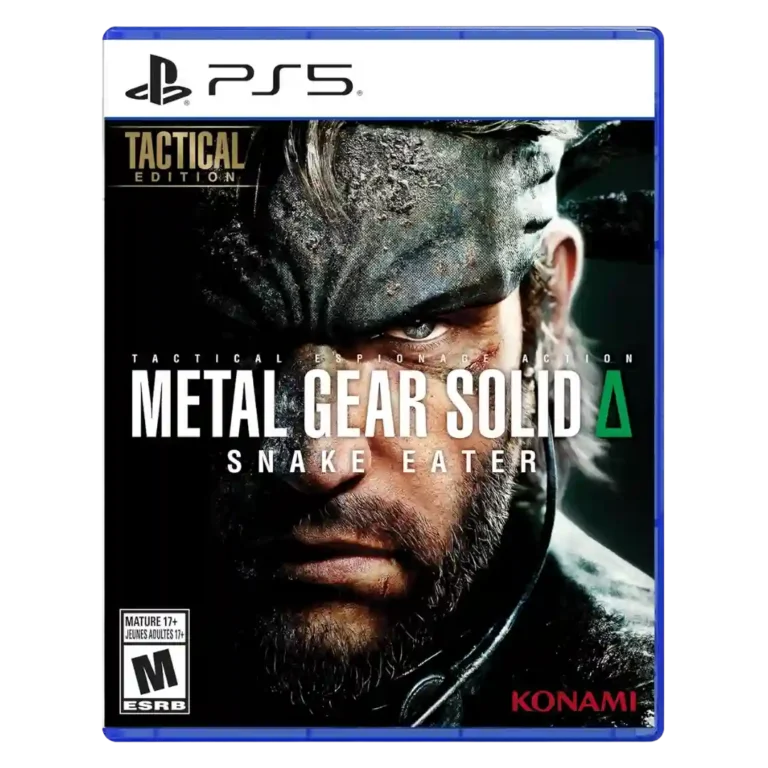
Choose it for a faithful, visually rich Snake Eater with smoother stealth controls. Skip it if you expect a bold reimagining, flawless performance, or strong value over cheaper older versions.
Best for players who want a faithful, modern-looking way to experience Snake Eater's story, stealth sandbox, camo systems, and classic Metal Gear tone. It especially suits fans who value preservation over reinvention.
Not for players expecting a bold remake, seamless modern level design, or uniformly stable performance. It is also a tougher sell for buyers who already enjoy cheaper older versions and want major new content.
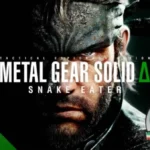
Metal Gear Solid Delta: Snake Eater lands as a reverent, mostly one-to-one remake that many reviewers found compelling because the original story, stealth sandbox, boss ideas, and survival systems still hold up. Its strongest improvements are modern controls, richer character detail, lush jungle visuals, quicker camo/menu handling, and faster loading. The tradeoff is that the same faithfulness exposes older level layouts, long lectures, occasional awkward animation, and balance issues where new controls can flatten tension. Performance impressions vary sharply, from perfect 60fps on PS5 Pro in one review to stutters, frame drops, and even crashes in others. Overall, the evidence points to a polished preservation-first remake with standout atmosphere and stealth, but limited innovation and inconsistent technical execution.
Compared with other Video Games, this product is above average in stealth mechanics, protagonist appeal, save system reliability, near average in remake/remaster quality, graphics quality, below average in innovation, animation quality, learning curve.
| Attribute | This product | Category average | Difference |
|---|---|---|---|
| innovation | 2.0 | 3.9 | -1.9 |
| animation quality | 2.5 | 4.0 | -1.5 |
| stealth mechanics | 4.6 | 3.3 | +1.3 |
| learning curve | 2.0 | 3.5 | -1.5 |
| crash stability | 1.8 | 3.1 | -1.4 |
| performance optimization | 2.7 | 3.8 | -1.1 |
| protagonist appeal | 5.0 | 3.7 | +1.3 |
| save system reliability | 4.2 | 3.0 | +1.2 |
Choose Shinobi: Art of Vengeance. It scores 5.0 vs 1.8 for crash stability, with a 4.4 overall score.
Choose Ghost of Yōtei. It scores 4.9 vs 2.7 for performance optimization, with a 4.4 overall score.
Choose Tales of Xillia Remastered. It scores 5.0 vs 2.0 for innovation, with a 3.9 overall score.
Choose The Alters. It scores 5.0 vs 4.2 for controls responsiveness, with a 4.2 overall score.
Products reviewers directly compared with this model, grouped into quick takeaways.
Yes. Reviewers repeatedly describe it as extremely faithful, with the same core story, voice work, levels, quirks, and spirit preserved.
Mostly yes. Many reviewers praised smoother movement, third-person aiming, and faster camo access, though some said the new controls make bosses or stealth encounters too easy.
The visual upgrade is one of the clearest strengths. Reviews praise the jungles, lighting, character models, and overall fidelity, while a few note uncanny old animations under the new visuals.
Yes, depending on platform and reviewer. Some reported smooth or even perfect 60fps play, while others cited uneven frame rates, stutter, frame drops, or crashes.
Many reviewers call this a strong starting point because the story stands alone and the controls are more modern. A few warn that long cutscenes, old-school structure, and dated systems may still overwhelm newcomers.
Value opinions are mixed. Some reviewers said the package justified the price, while others questioned paying full retail for a very faithful remake when older collections cost less.
These are a few of the reviews included in our analysis.


Best for fluid traversal, rewarding exploration, striking art, and forgiving quality-of-life features. Skip it if you want deep combat, radical genre innovation, or consistently demanding bosses.
Pros: difficulty balance, boss design
Cons: innovation, sandbox freedom

Good if you want fast, tactical roguelite combat with huge progression depth, striking art, and standout music. Skip it if repetition, resource micromanagement, or a less emotionally satisfying sequel story...
Pros: combat system, progression system
Cons: originality

Good if you want a beautiful, demanding survival sandbox built around exploration, building, progression, and memorable co-op. Skip it if long resource runs, harsh death recovery, and deliberate pacing sound...
Pros: town-building system, exploration quality
Cons: grind level, fast travel convenience

Best for joyful destruction, dense exploration, and a charming DK-Pauline adventure. Skip it if camera quirks, frame-rate dips, easy bosses, or premium Switch 2 pricing are dealbreakers.
Pros: fun factor, world interactivity
Cons: frame rate stability, boss design