If you want better protagonist appeal
Choose Trails in the Sky 1st Chapter. It scores 4.9 vs 2.5 for protagonist appeal, with a 4.4 overall score.

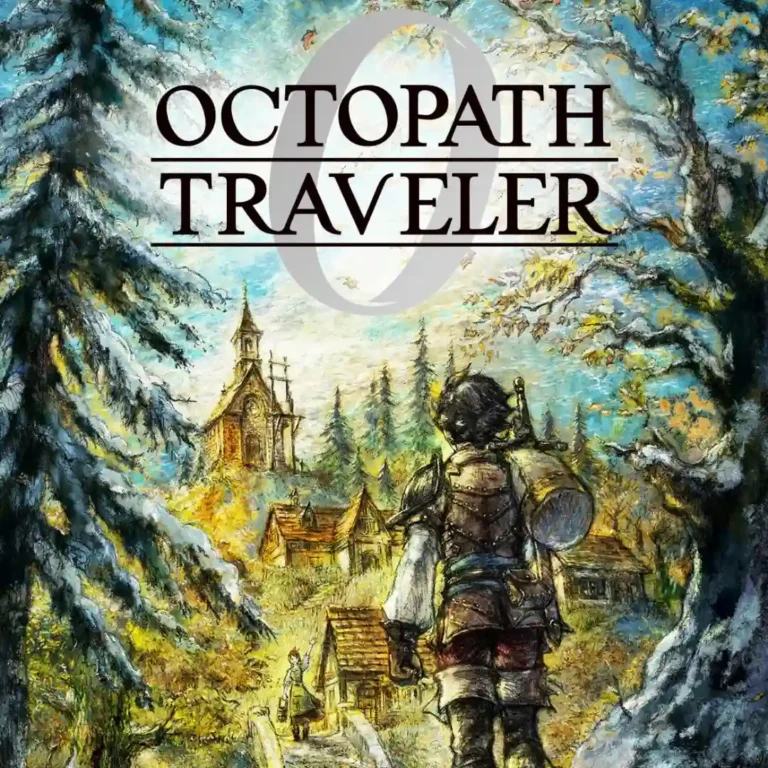
Choose Octopath Traveler 0 for deep eight-character turn-based combat, gorgeous HD-2D presentation, and a huge story-rich adventure. Skip it if 80–100+ hour RPGs, uneven pacing, or thinner supporting characters sound exhausting.
Best for turn-based JRPG fans who enjoy deep party-building, long-form stories, exploration, and tinkering with side systems. The eight-character combat, HD-2D presentation, soundtrack, and Wishvale progression are the biggest draws.
Not for players seeking a concise RPG, a tightly developed small cast, or consistently brisk pacing. The 80–100+ hour scale, uneven difficulty, and occasional grind can make the journey feel exhausting.
Octopath Traveler 0 turns its mobile-game foundation into a substantial premium JRPG, and its best ideas feel fully at home on console. The eight-character front-and-back-row combat is the standout, giving Boost-and-Break battles more flexibility, synergy, and tactical depth, while the HD-2D presentation and soundtrack are consistently praised. Wishvale rebuilding adds a pleasant progression loop and useful benefits, even if its building tools can feel shallow or restricted. The tradeoff is scale: the 80–100+ hour journey can be unevenly paced, with slow stretches, abrupt difficulty spikes, and a huge recruitable cast that leaves many characters underdeveloped. Story reactions range from deeply moved by the late-game payoff to exhausted by its length and exposition. For players who enjoy expansive turn-based RPGs, the strengths are substantial enough to outweigh those rough edges.
Compared with other Video Games, this product is above average in crash stability, map and navigation design, camera behavior, near average in pacing, fun factor, below average in immersion, choice impact, protagonist appeal.
| Attribute | This product | Category average | Difference |
|---|---|---|---|
| immersion | 2.0 | 4.2 | -2.2 |
| choice impact | 1.7 | 3.5 | -1.8 |
| crash stability | 5.0 | 3.2 | +1.8 |
| map and navigation design | 5.0 | 3.2 | +1.8 |
| protagonist appeal | 2.5 | 3.8 | -1.3 |
| camera behavior | 4.5 | 2.9 | +1.6 |
| character roster | 3.0 | 4.1 | -1.1 |
| economy and resource balance | 1.8 | 3.1 | -1.4 |
Choose Trails in the Sky 1st Chapter. It scores 4.9 vs 2.5 for protagonist appeal, with a 4.4 overall score.
Choose Tales of Xillia Remastered. It scores 4.9 vs 4.3 for character customization, with a 3.9 overall score.
Choose Zero Parades: For Dead Spies. It scores 5.0 vs 2.0 for immersion, with a 4.1 overall score.
Choose Moonlighter 2: The Endless Vault. It scores 5.0 vs 1.7 for choice impact, with a 4.0 overall score.
Products reviewers directly compared with this model, grouped into quick takeaways.
Many reviewers spent roughly 80 to 100-plus hours with it, and several reported even longer playtimes. The size is rewarding for some players but a repeated pacing concern for others.
Battles use eight active party members split between front and back rows, with paired characters able to swap positions. Reviewers widely praised the extra flexibility and synergy layered onto the familiar Boost-and-Break system.
Wishvale rebuilding is generally fun and useful, feeding resources, shops, training, and other benefits back into the RPG. It is intentionally simpler than a dedicated city builder and can feel restricted or shallow early on.
Opinions are mixed. Many reviewers praised the escalating arcs and late-game payoff, while others found the story overlong, uneven, repetitive, or heavy on exposition.
Usually not. The large roster creates excellent combat variety, but a recurring criticism is that many recruits receive only brief introductions or optional scenes before fading into the background.
Experiences varied: some reviewers found the leveling curve manageable or less grindy than earlier entries, while others needed extra battles or gear farming to handle difficulty spikes and late-game bosses.
Most reviewers reported a generally smooth experience, but some encountered brief hitches, lag spikes, or severe frame-rate drops in specific areas or effects, particularly on Switch 2.
These are a few of the reviews included in our analysis.



Summary Pros Great writing and pacing Incredible eight-character combat Nuanced and layered world building Cons Less character class swapping...
This is a reimagined version of the mobile game, thankfully removing its gacha mechanics costing money for randomised in-game perks.
I’ve spent more time thinking about Octopath Traveler 0 than I actually expected to. Not because it left me stunned or disappointed, but...
Octopath Traveler 0 excels in visuals and combat but falters in story pacing, creating an engaging yet inconsistent JRPG experience overall.

Best for fluid traversal, rewarding exploration, striking art, and forgiving quality-of-life features. Skip it if you want deep combat, radical genre innovation, or consistently demanding bosses.
Pros: difficulty balance, boss design
Cons: innovation, sandbox freedom

Best for superb combat, inventive builds, and richly voiced characters. Skip it if repeated runs, resource gathering, or visually busy battles outweigh the appeal of steady progress.
Pros: overall quality, combat system
Cons: pacing, grind level

Good if you want a beautiful, demanding survival sandbox built around exploration, building, progression, and memorable co-op. Skip it if long resource runs, harsh death recovery, and deliberate pacing sound...
Pros: town-building system, exploration quality
Cons: grind level, fast travel convenience
Choose Clair Obscur if you want a story-rich RPG with thrilling timed combat, gorgeous art, and standout music. Skip it if poor maps, tight parry timing, or occasional bugs and...
Pros: narrative quality, combat system
Cons: map and navigation design, menu usability