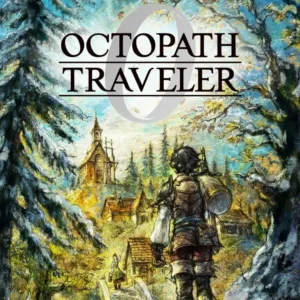
Orsterra is repeatedly praised for feeling interconnected and alive, with evolving regions, NPC backstories, political threads, and consequences that carry across story arcs.
Pros: narrative quality, combat system
Cons: pacing, side character depth

Orsterra is repeatedly praised for feeling interconnected and alive, with evolving regions, NPC backstories, political threads, and consequences that carry across story arcs.
Pros: narrative quality, combat system
Cons: pacing, side character depth
World-building was consistently praised, especially the Japanese folklore, historical setting, regional symbolism, and mythos behind Ebisugaoka and the Dark Shrine.
Pros: puzzle design, narrative quality
Cons: combat system, enemy variety
World-building was a strength in reviews that praised scanning, Lamorn history, and the way environments explained Viewros.
Pros: boss design, graphics quality
Cons: open-world design, side character depth

One reviewer strongly praises the way political context and skits make Rieze Maxia feel lived-in rather than merely decorative.
Pros: combat system, remake/remaster quality
Cons: animation quality, environmental detail

The compact districts gain personality through dense detail, recurring locations, side stories, and long-running character relationships. Reviewers describe them as places that feel increasingly familiar and real.
Pros: narrative quality, combat system
Cons: onboarding experience, difficulty balance

World-building is one of the strongest areas, with reviewers praising Pharloom as immaculate, complex, sad, and worth exploring.
Pros: difficulty balance, art direction
Cons: economy and resource balance, checkpoint system
World-building was strongly praised through Ivalice’s politics, history, class conflict, and supporting lore tools.
Pros: remake/remaster quality, voice acting
Cons: content variety, camera behavior
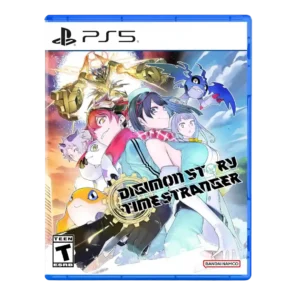
World-building was one of the strongest consensus positives, with the Digital World repeatedly described as alive, lived-in, and full of Digimon society.
Pros: progression system, narrative quality
Cons: pacing, content variety
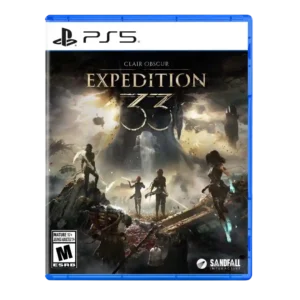
World-building was praised as distinct, rich, and central to the game’s identity.
Pros: narrative quality, combat system
Cons: map and navigation design, menu usability

World-building was repeatedly praised as immersive, historically grounded, and central to the game’s appeal.
Pros: combat system, narrative quality
Cons: save system reliability, learning curve

World-building received near-universal praise for its authentic, rarely explored Deep South folklore, history, and cultural texture.
Pros: soundtrack quality, narrative quality
Cons: combat system, enemy variety

World-building is praised for Greek myth reinterpretation, relationship-driven lore, and the broader conflict around the Underworld and Olympus.
Pros: combat system, progression system
Cons: originality

World-building was one of the strongest attributes, especially the British quarantine-zone identity, folk horror, and distinctive alternate-history setting.
Pros: narrative quality, exploration quality
Cons: combat system, AI behavior
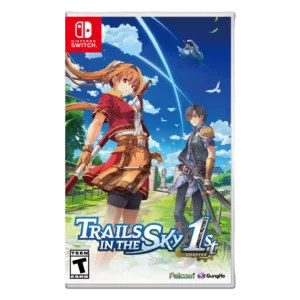
World-building was one of the strongest attributes, with repeated praise for living NPCs, regional culture, and detailed continuity.
Pros: remake/remaster quality, combat system
Cons: content variety
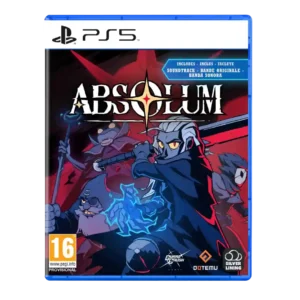
World-building was widely praised for its magical setting, history, culture, and lore hooks even when the main plot lagged.
Pros: combat system, replay value
Cons: narrative quality, grind level
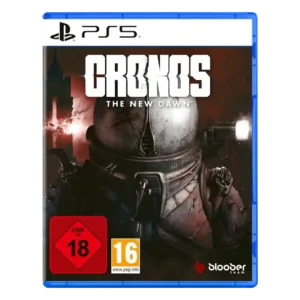
World-building was a major strength, with reviewers praising how the setting, documents, and historical framing build a broken society.
Pros: combat system, narrative quality
Cons: boss design, puzzle design
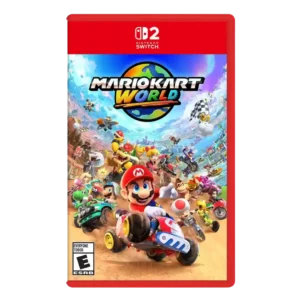
World-building was praised where reviewers felt the courses and regions fit together into a coherent interconnected continent.
Pros: content variety, soundtrack quality
Cons: open-world design, exploration quality

World-building was a major strength, with reviewers praising factions, moral dilemmas, environmental context, and a lived-in universe.
Pros: combat system, progression system
Cons: pacing, AI behavior

Corporate factions, environmental storytelling, and sci-fi lore give Tau Ceti IV a strong sense of place. The world-building is often praised as unusually rich for a multiplayer extraction game.
Pros: fun factor, loot system
Cons: difficulty balance, quest design
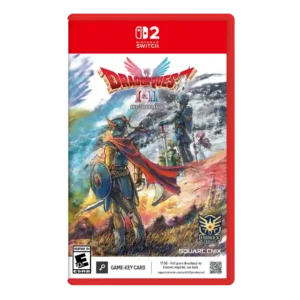
World-building was strengthened by expanded towns, lore links, and details that made Alefgard and the trilogy feel more alive.
Pros: remake/remaster quality, combat system
Cons: difficulty balance, grind level
The game’s detailed historical simulation makes countries feel embedded in a living world of cultures, religions, populations, institutions, and crises. Reviewers repeatedly praised the scale and historical texture.
Pros: gameplay mechanics, fun factor
Cons: learning curve, AI behavior

World-building earned praise for strange underground societies, internal logic, and franchise-aware details.
Pros: fun factor, world interactivity
Cons: frame rate stability, boss design

World-building is one of the strongest elements, making the Zone feel lived-in, historically scarred, and culturally specific. Settlements, factions, ruins, weather, and small environmental details combine into a convincing place.
Pros: immersion, fun factor
Cons: bug frequency, AI behavior

World-building was one of Avowed’s clearest strengths, especially its politics, cultures, history, and Eora continuity.
Pros: combat system, narrative quality
Cons: difficulty balance, enemy variety
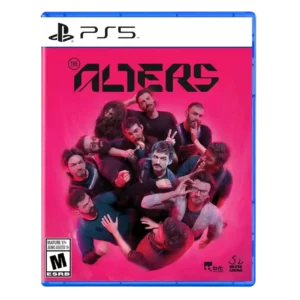
World-building was praised for its strange sci-fi setting, cultural detail, and labor/corporate themes.
Pros: narrative quality, replay value
Cons: difficulty balance, pacing

World-building was praised through Road Trip's cosmic tale spanning the Kirby universe.
Pros: battle mode quality, content variety
Cons: learning curve, competitive balance
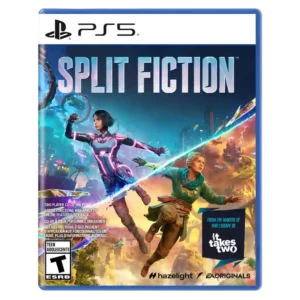
World-building was praised for immersive, explorable worlds built from the protagonists’ imaginations.
Pros: co-op experience, content variety
Cons: writing quality, narrative quality

World-building was strongly praised for living ecosystems, cultural detail, and a breathing world that supported the Monster Hunter fantasy.
Pros: combat system, narrative quality
Cons: difficulty balance, endgame content

World-building was widely praised for its nostalgic 1990s setting, memory framing, and believable sense of place.
Pros: narrative quality, character development
Cons: pacing, gameplay mechanics

World-building was a strength for many reviewers, especially around Lumiose's civic tensions, coexistence themes, and wider Pokémon-world implications.
Pros: combat system, exploration quality
Cons: graphics quality, voice acting
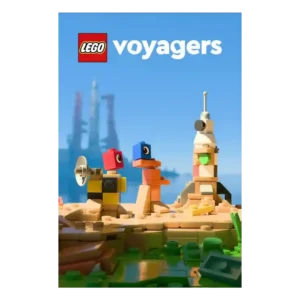
World-building was praised for its lonely, toy-like LEGO spaces and sense of childhood wonder, though one review questioned who built the world.
Pros: co-op experience, puzzle design
Cons: controls responsiveness, replay value

The alternate Los Angeles and SDN workplace are praised for making a familiar superhero setup feel lived-in. Some reviewers find the world archetypal, but strong character and environmental presentation give...
Pros: choice impact, narrative quality
Cons: gameplay mechanics, QTE design

World-building was a broad strength, with reviewers praising Speranza, map storytelling, lore hooks, and the surface’s lived-in detail despite some dissent.
Pros: sound design, combat system
Cons: voice acting, menu usability
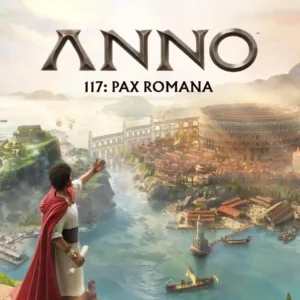
The Roman and Celtic regions are convincingly realized through architecture, culture, weather, politics, and everyday activity, giving the setting real identity.
Pros: fun factor, graphics quality
Cons: learning curve, bug frequency
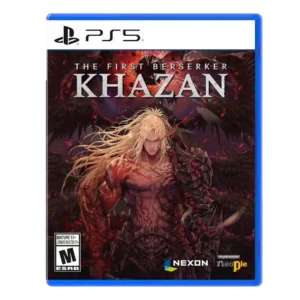
World-building gets positive notice for shaping factions, locations, and the Dungeon & Fighter setting.
Pros: combat system, boss design
Cons: narrative quality, difficulty balance

World-building is supported by Episodes of South Town's character/world focus and city context, though it is not presented as a full exploration game.
Pros: content variety, gameplay mechanics
Cons: learning curve, user interface design

World-building is praised as bizarre, imaginative, and distinctive, though one review criticized gaps in cultural representation.
Pros: narrative quality, combat system
Cons: difficulty balance, weapon balance

Architecture, landscapes, lighting, and optional lore often convincingly evoke wartime France. Historical detail is not uniformly accepted, with one account noting the missing wartime blackout.
Pros: overall quality, level design
Cons: innovation, mission design

The time-travel fantasy setup and ancient culture give the world more substance than many cozy life sims.
Pros: core gameplay loop, narrative quality
Cons: crafting system, multiplayer design

The campaign uses deep-cut Marvel locations and characters to expose players to corners of the universe that are less common in modern Marvel games, which adds freshness to the adventure.
Pros: combat system, voice acting
Cons: pacing, boss design

The blend of modern technology, ancient ninja arts, and magic appeals to one assessment. That mixture gives the setting its characteristic contrast.
Pros: overall quality, difficulty balance
Cons: frame rate stability, performance optimization

World-building is moderately positive, with Kairos and the franchise lore described as broader and more connected, though not always fully realized.
Pros: movement feel, loot system
Cons: performance optimization, narrative quality

World-building is mixed-to-positive: Ezo’s culture and social context are compelling, but some reviewers wanted broader supporting context.
Pros: combat system, narrative quality
Cons: grind level, innovation

World-building was mixed, praised as meaningful Zelda history while some reviews said ancient Hyrule felt insufficiently distinct.
Pros: combat system, character roster
Cons: level design, mission design
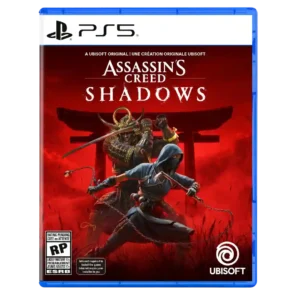
World-building is mixed, with praise for bringing townsfolk reactions and Japan to life but criticism of weak characters and dull storylines.
Pros: stealth mechanics, graphics quality
Cons: narrative quality, mission variety
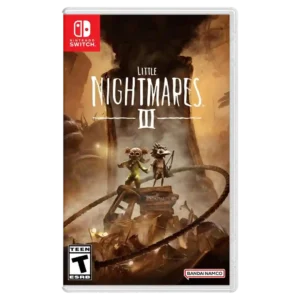
World-building was mixed, with praise for a compelling or aesthetically told world but criticism that it lacked context or misunderstood the series’ mystery.
Pros: atmosphere, faithfulness to franchise
Cons: puzzle design, co-op experience
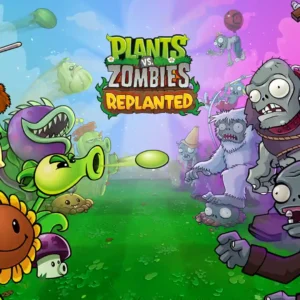
The suburban zombie apocalypse remains deliberately absurd and lightly explained, which suits the game’s tone. Its world works through visual jokes and personality rather than deep lore.
Pros: fun factor, remake/remaster quality
Cons: graphics quality, soundtrack quality
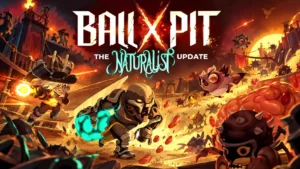
The chunky fantasy setting has visual personality, yet its background and inhabitants remain lightly developed. Players interested in lore may find less to explore than the artwork suggests.
Pros: fun factor, upgrade system
Cons: user interface design, grind level

World-building is weak in the evidence that explicitly says not to expect captivating world building from the campy action story.
Pros: combat system, faithfulness to franchise
Cons: narrative quality, frame rate stability

world-building was criticized for shallow context around the conflict.
Pros: multiplayer design, sound design
Cons: narrative quality, map and navigation design