Best for world-building
Pikmin 4: Nintendo Switch 2 Edition + Dandori Academy
5.0 attribute score
Highest scored product for this attribute based on supporting review evidence.

Highest scored product for this attribute based on supporting review evidence.
Balances the attribute score, supporting reviews, and overall product strength.
Has the broadest review evidence for this attribute.
Strongest overall product among items with scored evidence for this attribute.
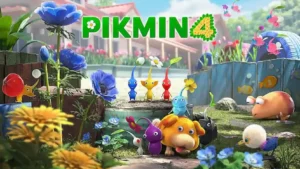
Overall: 3.7/5
The game cleverly reframes ordinary household and outdoor spaces as giant environments filled with surprises and personality.
Pros: Dandori Academy mode, overall quality
Cons: DLC value, Dandori Academy stage rollout
Overall: 3.6/5
World-building was a strength in reviews that praised scanning, Lamorn history, and the way environments explained Viewros.
Pros: boss design, graphics quality
Cons: open-world design, side character depth

Overall: 4.5/5
Distinct regions, contextual conversations, and familiar places reshaped by conflict create a convincing mythological world. The witchcraft systems usually feel closely tied to that setting.
Pros: overall quality, combat system
Cons: pacing, grind level
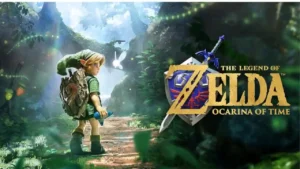
Overall: 4.3/5
More active townsfolk, expanded conversations, and convincing architecture give Hyrule a fuller sense of daily life. The world often feels larger and richer without substantially expanding its borders.
Pros: remake/remaster quality, overall quality
Cons: difficulty balance, menu usability
Overall: 3.6/5
World-building was praised where reviewers felt the courses and regions fit together into a coherent interconnected continent.
Pros: content variety, soundtrack quality
Cons: open-world design, exploration quality
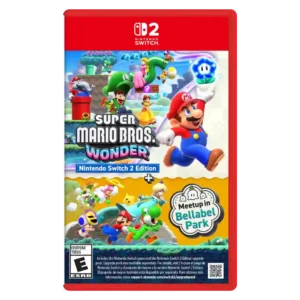
Overall: 3.9/5
The Flower Kingdom is praised as an unusually well-realized Mario setting, with its distinct identity helping Wonder push beyond the familiar Mushroom Kingdom backdrop.
Pros: fun factor, multiplayer design
Cons: matchmaking quality, map and navigation design
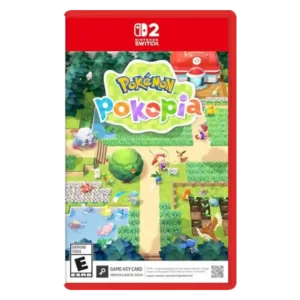
Overall: 4.2/5
World-building was a major strength, with reviewers praising Kanto’s depth, lore, environmental clues, and ruined-world context.
Pros: core gameplay loop, content variety
Cons: pacing, menu usability
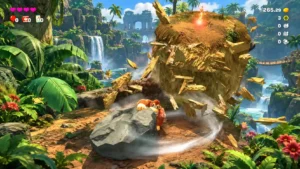
Overall: 4.4/5
Distinct underground communities and local themes make the impossible setting feel rich and playful. The layered journey provides a strong sense of place despite its deliberate absurdity.
Pros: overall quality, world interactivity
Cons: frame rate stability, boss design
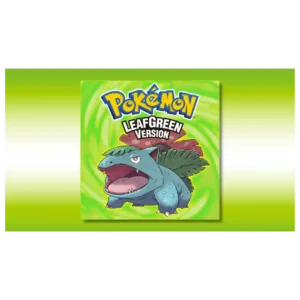
Overall: 3.9/5
Kanto feels coherent and memorable despite sparse text, using connected routes, distinctive towns, gyms, caves, villains, and Pokémon habitats to create a convincing adventure.
Pros: fun factor, faithfulness to franchise
Cons: remake/remaster quality, value for money
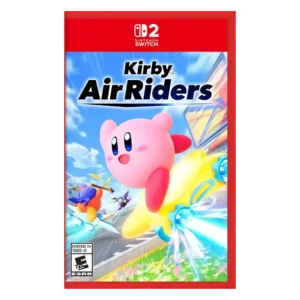
Overall: 4.3/5
World-building was praised through Road Trip's cosmic tale spanning the Kirby universe.
Pros: battle mode quality, content variety
Cons: learning curve, competitive balance

Overall: 4.1/5
Dagda's cultures, histories, and intersecting conflicts are consistently praised for making the sprawling campaign feel coherent and lived-in.
Pros: narrative quality, fun factor
Cons: grind level, learning curve

Overall: 4.1/5
Photo descriptions, linked sports venues, and discoverable landmarks give Wuhu a history and identity. Seeing how the activities fit into one place makes the island feel more coherent.
Pros: core gameplay loop, content variety
Cons: economy and resource balance, art direction
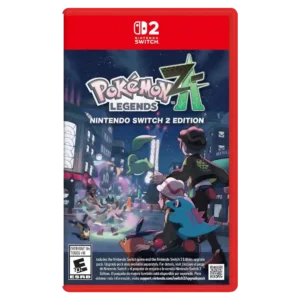
Overall: 3.5/5
World-building was a strength for many reviewers, especially around Lumiose's civic tensions, coexistence themes, and wider Pokémon-world implications.
Pros: combat system, exploration quality
Cons: graphics quality, voice acting
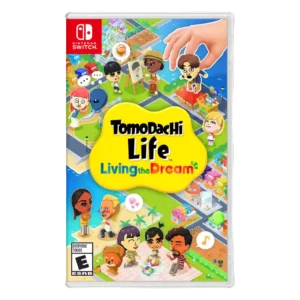
Overall: 3.9/5
The island can become a personalized little society, with reviewers highlighting its growth from a blank space into a distinct Mii world.
Pros: character customization, fun factor
Cons: content variety, gameplay mechanics
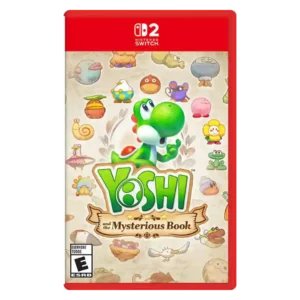
Overall: 4.3/5
The living encyclopedia and its connected ecosystems create an inviting storybook world with memorable creatures. Lore and dramatic context remain intentionally light.
Pros: art direction, exploration quality
Cons: difficulty balance, core gameplay loop
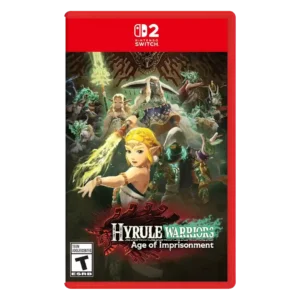
Overall: 4.1/5
World-building was mixed, praised as meaningful Zelda history while some reviews said ancient Hyrule felt insufficiently distinct.
Pros: combat system, character roster
Cons: level design, mission design