Best for quest design
Pokemon LeafGreen and FireRed Versions
4.5 attribute score
Highest scored product for this attribute based on supporting review evidence.

Highest scored product for this attribute based on supporting review evidence.
Balances the attribute score, supporting reviews, and overall product strength.
Has the broadest review evidence for this attribute.
Strongest overall product among items with scored evidence for this attribute.

Kanto’s item-gated route chains and the Sevii Islands give exploration a pleasing cause-and-effect structure, with detours that reward paying attention.
Pros: fun factor, faithfulness to franchise
Cons: remake/remaster quality, value for money

Quest design was praised where side quests kept layers busy and consistently rewarded players.
Pros: fun factor, world interactivity
Cons: frame rate stability, boss design

The quest design is generally well received, with praise outweighing the smaller reservations raised across the reviews.
Pros: narrative quality, fun factor
Cons: grind level, learning curve

Quest design was mixed, with useful rewards and side stories offset by repetitive or hollow side objectives.
Pros: combat system, character roster
Cons: level design, mission design
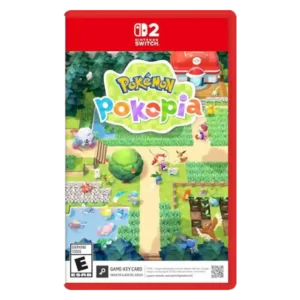
Quest design ranged from rewarding app-based goals to occasional chaotic quest completion and unclear sequencing.
Pros: core gameplay loop, content variety
Cons: pacing, menu usability

Quest design was mixed: many reviewers liked silly or worthwhile side quests, while others found battle and fetch quests basic or uneven.
Pros: combat system, exploration quality
Cons: graphics quality, voice acting
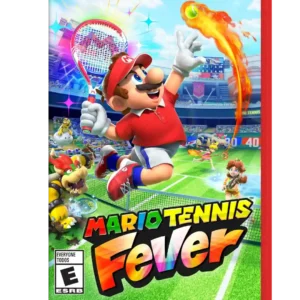
Quest quality is mixed: some missions feel playful and freeing, while others are thin pretexts for moving between tennis challenges. The structure rarely develops into a deep RPG-style quest system.
Pros: fun factor, gameplay mechanics
Cons: tutorial quality, onboarding experience
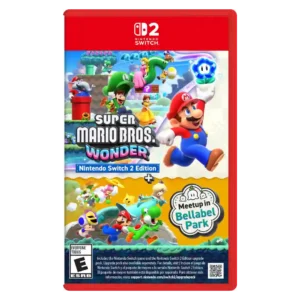
The short Koopaling tracking storyline is criticized as dull, suggesting the quest structure adds less excitement than the battles it leads to.
Pros: fun factor, multiplayer design
Cons: matchmaking quality, map and navigation design