If you want better narrative quality
Choose Kingdom Come: Deliverance II. It scores 4.7 vs 4.4 for narrative quality, with a 4.3 overall score.

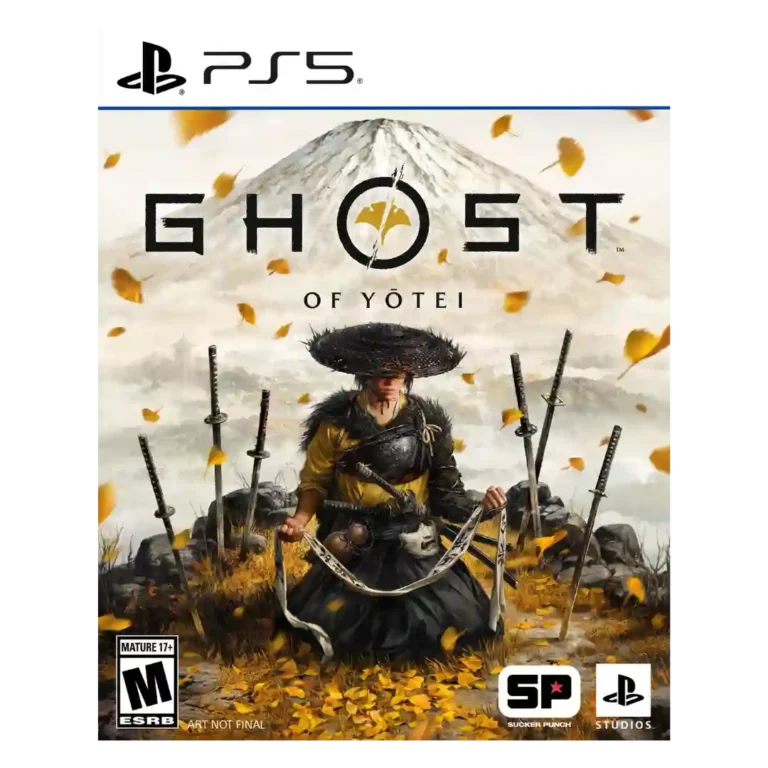
Choose Ghost of Yōtei for stunning open-world exploration, fluid weapon combat, and a strong revenge story. Skip it if familiar Tsushima-style structure, repeated side activities, mature violence, or limited accessibility options are dealbreakers.
Best for players who want a polished single-player samurai action adventure with beautiful exploration, responsive melee combat, strong atmosphere, and a revenge-driven lead.
Not for players who need a radically new open-world structure, deep choice consequences, family-friendly content, multiplayer systems, or the broadest accessibility suite.
Ghost of Yōtei lands as a confident refinement rather than a reinvention. Across the reviews, its clearest strengths are the painterly Ezo setting, fast and violent weapon-based combat, near-instant loading, and Atsu’s emotionally direct revenge arc. The tradeoff is familiarity: several reviewers argue that the open-world activities, stealth templates, and predictable story beats still lean heavily on Ghost of Tsushima’s structure. Combat earns broad praise for fluidity and variety, but some critics find the weapon-counter system restrictive or fatiguing. Technical polish is also a major advantage, with few serious bugs reported, though rare crashes, minor animation issues, and lighter accessibility options keep it from feeling flawless. Overall, the evidence points to an excellent, mature action adventure with exceptional craft and a few formula-driven limitations.
Compared with other Video Games, this product is above average in map and navigation design, AI behavior, HUD clarity, near average in immersion, visual effects quality, below average in puzzle design, family friendliness, age appropriateness.
| Attribute | This product | Category average | Difference |
|---|---|---|---|
| puzzle design | 1.5 | 3.7 | -2.2 |
| map and navigation design | 4.8 | 3.2 | +1.6 |
| AI behavior | 4.5 | 2.7 | +1.8 |
| HUD clarity | 4.8 | 3.1 | +1.7 |
| family friendliness | 2.0 | 3.4 | -1.4 |
| economy and resource balance | 4.5 | 3.1 | +1.4 |
| bug frequency | 4.2 | 2.9 | +1.3 |
| load times | 5.0 | 3.7 | +1.3 |
Choose Kingdom Come: Deliverance II. It scores 4.7 vs 4.4 for narrative quality, with a 4.3 overall score.
Choose Saros. It scores 4.7 vs 2.5 for level design, with a 4.3 overall score.
Choose Monster Hunter Stories 3: Twisted Reflection. It scores 5.0 vs 1.5 for puzzle design, with a 4.3 overall score.
Choose Pragmata. It scores 4.8 vs 2.8 for dialogue quality, with a 4.3 overall score.
Products reviewers directly compared with this model, grouped into quick takeaways.
No. Reviewers mostly describe it as a refinement or expansion of Tsushima’s structure, with stronger combat, a new protagonist, and a new setting rather than a full overhaul.
The strongest agreement is around the visuals, Ezo’s exploration, fluid combat, sound, and Atsu as a compelling lead.
Common caveats include familiar open-world structure, repeated side activities, predictable revenge-story beats, and weapons that can feel too tied to matchup counters.
Combat is broadly praised as fast, fluid, brutal, and satisfying. The new weapon system adds variety, though some reviewers find the rock-paper-scissors counter design restrictive.
The parent-guide review says no for younger gamers, citing frequent bloody violence, mature themes, language, drug use, frightening scenes, and slight nudity.
Most reviewers report strong technical polish, stable frame pacing, fast loading, and excellent PS5 Pro support. A few mention minor bugs, animation issues, or rare crashes.
Evidence is limited and mixed. TechRadar notes subtitles, visibility aids, control simplification, and combat assistance, but says the suite is lighter than some PS5 first-party peers and lacks colorblind options.
These are a few of the reviews included in our analysis.



Best for fluid traversal, rewarding exploration, striking art, and forgiving quality-of-life features. Skip it if you want deep combat, radical genre innovation, or consistently demanding bosses.
Pros: difficulty balance, boss design
Cons: innovation, sandbox freedom

Good if you want fast, tactical roguelite combat with huge progression depth, striking art, and standout music. Skip it if repetition, resource micromanagement, or a less emotionally satisfying sequel story...
Pros: combat system, progression system
Cons: originality

Good if you want a beautiful, demanding survival sandbox built around exploration, building, progression, and memorable co-op. Skip it if long resource runs, harsh death recovery, and deliberate pacing sound...
Pros: town-building system, exploration quality
Cons: grind level, fast travel convenience

Best for joyful destruction, dense exploration, and a charming DK-Pauline adventure. Skip it if camera quirks, frame-rate dips, easy bosses, or premium Switch 2 pricing are dealbreakers.
Pros: fun factor, world interactivity
Cons: frame rate stability, boss design