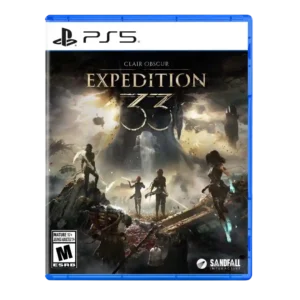
Optional quests received praise for classic-RPG flavor and meaningful rewards.
Pros: narrative quality, combat system
Cons: map and navigation design, menu usability

Optional quests received praise for classic-RPG flavor and meaningful rewards.
Pros: narrative quality, combat system
Cons: map and navigation design, menu usability

Side quests can be a major highlight when they branch, surprise, or turn into memorable encounters. Routine filler still exists, but the stronger optional quests show much more personality than...
Pros: immersion, fun factor
Cons: bug frequency, AI behavior

Quest design was one of the strongest points, with reviewers praising memorable side stories, branching approaches, and strong writing, despite a few disappointing payoffs.
Pros: combat system, narrative quality
Cons: save system reliability, learning curve
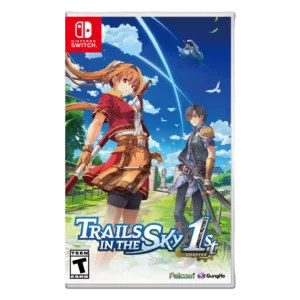
Quest design was generally praised for attaching story, character moments, and worldbuilding to side activities instead of leaving them as empty errands.
Pros: remake/remaster quality, combat system
Cons: content variety

Quest design was praised where side quests kept layers busy and consistently rewarded players.
Pros: fun factor, world interactivity
Cons: frame rate stability, boss design
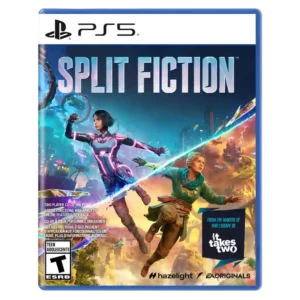
Side-story quests were considered worthwhile and rewarding to find.
Pros: co-op experience, content variety
Cons: writing quality, narrative quality

Quest design is a major strength in many reviews thanks to memorable tales, bounties, organic side stories, and worthwhile rewards, though Eurogamer sharply dislikes the formulaic sidequests.
Pros: combat system, narrative quality
Cons: grind level, innovation

Substories are a major attraction, mixing absurd comedy, character moments, useful rewards, and occasional combat benefits. Most are warmly received, though some reviewers found a portion forgettable or filler-like.
Pros: narrative quality, combat system
Cons: onboarding experience, difficulty balance

Quest design trends positive, especially side quests, though one review’s praise contrasts with broader concerns about main-story pacing.
Pros: movement feel, loot system
Cons: performance optimization, narrative quality
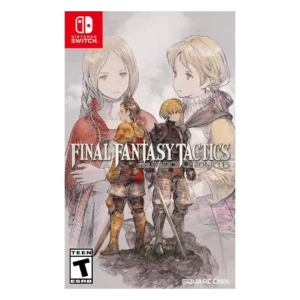
Quest design benefited from clearer markers and destination guidance that made older side content easier to follow.
Pros: remake/remaster quality, voice acting
Cons: content variety, camera behavior

The leads and quest structure were a standout for many reviewers because it encouraged investigation and choice, though others found some objectives basic or unclear.
Pros: narrative quality, exploration quality
Cons: combat system, AI behavior

Zombies quests and Easter Eggs add depth for dedicated players, while survival options give those who do not want the full puzzle hunt a simpler alternative.
Pros: multiplayer design, level design
Cons: fun factor, narrative quality
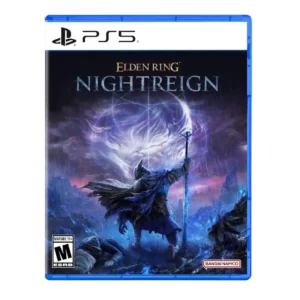
Quest design received praise for Remembrance objectives that gave runs extra goals and meaningful character rewards.
Pros: co-op experience, fun factor
Cons: difficulty balance, social features

Optional tasks can make revisiting a cleared area worthwhile, adding enjoyable discoveries beyond the primary objective.
Pros: overall quality, level design
Cons: innovation, mission design

Quest design was mixed, with useful rewards and side stories offset by repetitive or hollow side objectives.
Pros: combat system, character roster
Cons: level design, mission design

Quest design was split: several reviewers loved the branching checks and side content, while others saw busywork or inconsequential side quests.
Pros: combat system, progression system
Cons: pacing, AI behavior

Quest design ranged from excellent side stories and meaningful follow-ups to fetchy, inconsistent, or repetitive tasks.
Pros: combat system, narrative quality
Cons: difficulty balance, enemy variety
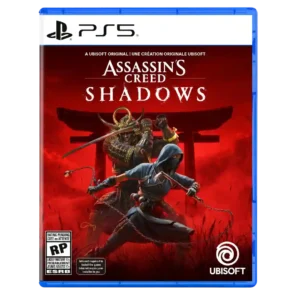
Quest design is divisive, with praise for investigative discovery but criticism that the broader structure can become a bounty-board routine.
Pros: stealth mechanics, graphics quality
Cons: narrative quality, mission variety

Quest design was mixed: many reviewers liked silly or worthwhile side quests, while others found battle and fetch quests basic or uneven.
Pros: combat system, exploration quality
Cons: graphics quality, voice acting

Questing gives the extraction loop direction and steady progression, yet the structure can be restrictive and grindy. Fetch-style objectives, poor signposting, and one-at-a-time progression are common pain points.
Pros: fun factor, loot system
Cons: difficulty balance, quest design

Quest design is split: some reviewers like wishes and missions as structure, while others criticize boring or grindy fetch quests.
Pros: difficulty balance, art direction
Cons: economy and resource balance, checkpoint system

Quest design was mixed: some quests guide players well, while others were vague, uneven, or narratively unexciting.
Pros: sound design, combat system
Cons: voice acting, menu usability
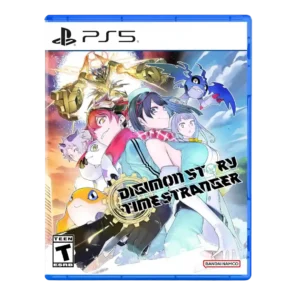
Quest design split reviewers, with optionality and occasional stronger quests helping, but many side quests were still described as routine or unexciting.
Pros: progression system, narrative quality
Cons: pacing, content variety

Fetch-style questing remains a pain point for one reviewer, who found ferrying boxes back and forth exhausting.
Pros: narrative quality, combat system
Cons: difficulty balance, weapon balance
Side quests are serviceable but not a major strength: some add flavor, while others fall back on familiar fetch tasks and are easy to ignore.
Pros: fun factor, graphics quality
Cons: learning curve, bug frequency

Quest design was mixed to negative, with story quests and high-rank goals criticized despite on-the-fly questing being praised elsewhere.
Pros: combat system, narrative quality
Cons: difficulty balance, endgame content

Questing is mixed: reviewers like the low-pressure structure, but criticize busywork and quantity-over-quality objectives.
Pros: core gameplay loop, narrative quality
Cons: crafting system, multiplayer design

Side quests are commonly described as basic, repetitive, or fetch-heavy. A few have worthwhile narrative context, but their structure rarely matches the quality of the main cast and combat.
Pros: combat system, remake/remaster quality
Cons: animation quality, environmental detail
Quest design was divisive, with some side-quest gating and RNG requirements described as tedious.
Pros: combat system, replay value
Cons: narrative quality, grind level