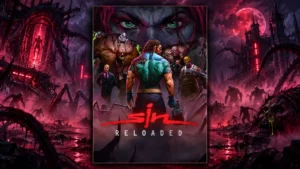
Traversal has been made noticeably less punishing, reducing the frustrating falls associated with the original.
Pros: remake/remaster quality, overall quality
Cons: level design, map and navigation design

Traversal has been made noticeably less punishing, reducing the frustrating falls associated with the original.
Pros: remake/remaster quality, overall quality
Cons: level design, map and navigation design
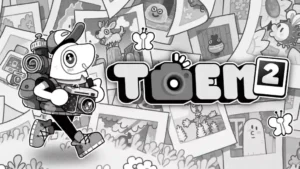
The light platforming stays easy and unobtrusive rather than demanding exact execution. It adds vertical exploration without becoming cumbersome.
Pros: game length, gameplay mechanics
Cons: innovation, difficulty balance
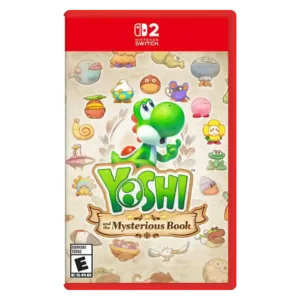
Basic movement and flutter jumping feel dependable and rarely cause frustration. Precision is intentionally de-emphasized, though a few specialized interactions can be awkward.
Pros: art direction, exploration quality
Cons: difficulty balance, core gameplay loop

Platforming is a major strength, from precise time trials to movement puzzles. Reviewers describe the controls as smooth enough for demanding sections, although a few specific chase or stealth moments...
Pros: difficulty balance, boss design
Cons: innovation, sandbox freedom

Precise jumping and responsive traversal are repeatedly singled out as core strengths. Even when individual abilities feel slippery, the overall platforming is considered polished and satisfying.
Pros: replay value, difficulty balance
Cons: game length, boss design
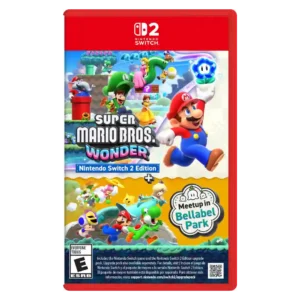
The harder Training Camp stages benefit from Wonder’s precise platforming, demanding tight timing and leaving very little margin for error. Reviewers who wanted expert-level tests respond especially well to these...
Pros: fun factor, multiplayer design
Cons: matchmaking quality, map and navigation design
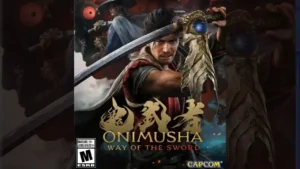
Wall-running is a small but well-liked traversal addition that expands movement without turning the game into a platformer.
Pros: combat system, fun factor
Cons: pacing, open-world design
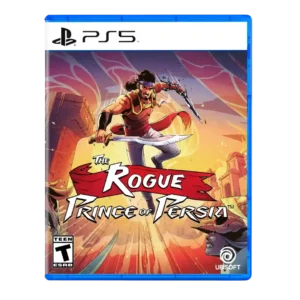
Platforming was praised for precision, flow, and expressive parkour, with only occasional complaints about awkward interactions or puzzle repetition.
Pros: combat system, movement feel
Cons: narrative quality, difficulty balance
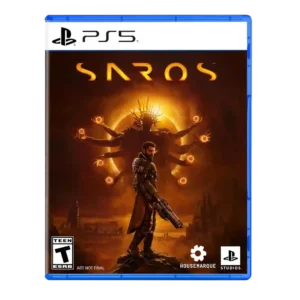
Platforming precision had limited but positive evidence around precise jumping, dodging, and reduced geometry snagging.
Pros: narrative quality, combat system
Cons: side character depth, dialogue quality
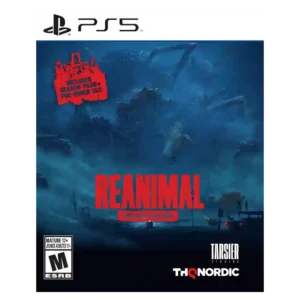
Platforming is viewed positively where mentioned, with reviewers saying the camera keeps platforms visible and the movement carries suitable weight.
Pros: narrative quality, atmosphere
Cons: puzzle design, fun factor

The double jump is fun and useful, but one dream segment felt less precise because Charlie lacked a visible shadow for positioning.
Pros: fun factor, puzzle design
Cons: hint system, originality
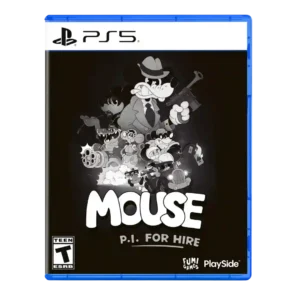
First-person platforming feels sharper and more forgiving than expected, with quick respawns reducing frustration after missed jumps.
Pros: fun factor, art direction
Cons: weapon balance, gameplay mechanics
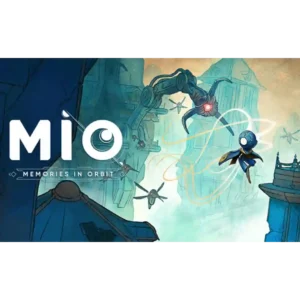
Platforming can produce some of the game’s most satisfying flow-state moments, especially once Mio’s full movement kit comes together. It can also become extremely demanding, with Hairpin inconsistency and long...
Pros: movement feel, originality
Cons: difficulty balance, combat system

Platforming is mostly responsive and forgiving, but tandem precision sections and occasional hitbox issues can cause frustration.
Pros: fun factor, puzzle design
Cons: difficulty balance, narrative quality

Chaining jumps, dives, and attacks can feel precise and rewarding; occasional missed ledges and awkward glides undermine that precision for some.
Pros: content variety, family friendliness
Cons: collectibles, level design
New climbing and jumping expand traversal, but mantling rules are not always readable; some walls look climbable but reject input, creating avoidable frustration.
Pros: combat system, graphics quality
Cons: exploration quality, mission design
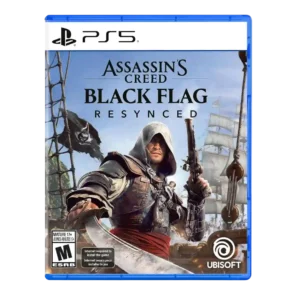
Platforming precision is promising because of freer movement, but one reviewer flagged beam-to-beam delay and sluggishness as a concern.
Pros: graphics quality, remake/remaster quality
Cons: DLC value, multiplayer design
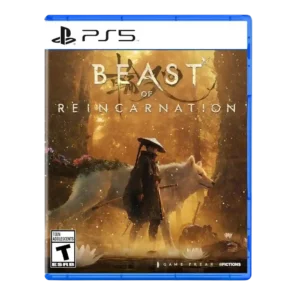
The vine-based platforming is inventive and opens creative routes, but placement can be imprecise. Missing targeting guidance sometimes sends structures somewhere other than intended.
Pros: combat system, companion AI

Parkour and traversal challenges add variety, but contextual jumps and guided routes can feel mindless rather than precise.
Pros: fun factor, combat system
Cons: originality, level design
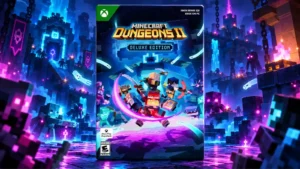
The jump expands movement and secret-finding, but occasional awkward collision, unclear elevation, and depth perception make some platforming sections frustrating.
Pros: open-world design, graphics quality
Cons: narrative quality, endgame content
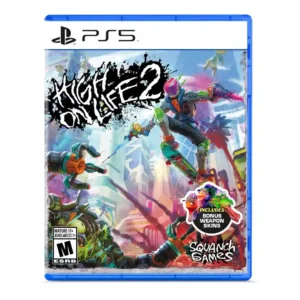
Platforming benefits from the skateboard’s mobility and simple inputs, but unregistered jumps, awkward momentum, and demanding sections can make precision inconsistent.
Pros: writing quality, fun factor
Cons: bug frequency, combat system
Platforming becomes much better after mobility upgrades and is excellent in some challenge rooms, but analog-only movement, contact damage, and awkward ledge interactions create avoidable frustration.
Pros: boss design, exploration quality
Cons: combat system, narrative quality
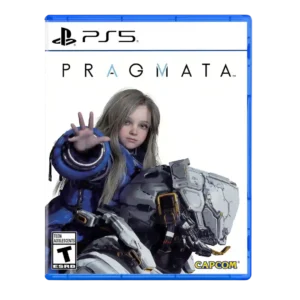
Platforming precision is mixed: upgrades and hover movement help, but some reviewers found momentum inconsistent or specific platforming moments frustrating.
Pros: combat system, emotional impact
Cons: map and navigation design, platforming precision
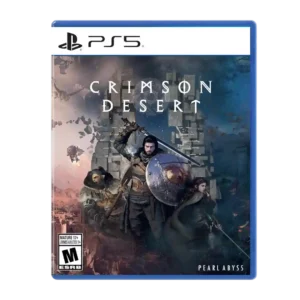
Reviewer evidence is negative or mixed: platforming precision was often criticized, even where some reviewers found redeeming moments across 1 review(s).
Pros: combat system, graphics quality
Cons: controls responsiveness, narrative quality
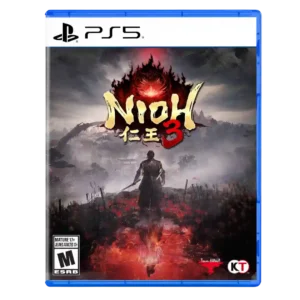
Platforming was criticized in one review for inconsistency and for making terrain feel more dangerous than intended.
Pros: combat system, open-world design
Cons: narrative quality, performance optimization

Rigid platforming can turn traversal mistakes into costly setbacks, especially when a failed move leads to lost progress.
Pros: town-building system, exploration quality
Cons: grind level, fast travel convenience
Ladders, ledges, and vertical spaces expose control roughness, with reviewers describing falls, pauses, and vulnerable transitions that make traversal more frustrating than precise.
Pros: fun factor, originality
Cons: combat system, narrative quality

Jumping and grabbing ledges often demand exact positioning. Small alignment errors can interrupt traversal and make a reachable route seem blocked.
Pros: overall quality, atmosphere
Cons: boss design, movement feel
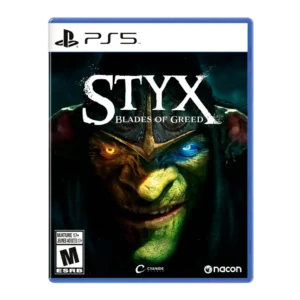
Platforming is one of the rougher edges: missed ledge grabs, awkward jumps, and finicky grapple attempts can turn the game’s vertical spaces into accidental falls.
Pros: fun factor, stealth mechanics
Cons: polish, combat system
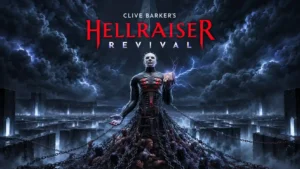
One account criticizes clunky platforming. Precision during traversal is a weakness rather than a highlight.
Pros: faithfulness to franchise, narrative quality
Cons: combat system, boss design
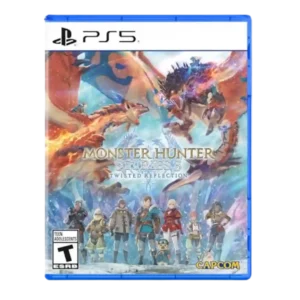
One critic found some traversal and platforming sections awkward enough to interrupt otherwise enjoyable exploration.
Pros: combat system, narrative quality
Cons: difficulty balance, grind level
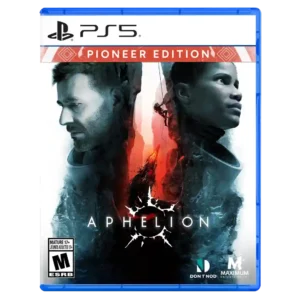
Ledge grabs, grapple transitions, and jumps can fail despite seemingly correct input, making traversal deaths feel arbitrary rather than skill-based.
Pros: narrative quality, graphics quality
Cons: movement feel, stealth mechanics
Ladders are a repeated source of missed connections, unintended falls, and deaths. Ledges and quickloading can also behave awkwardly, making traversal less dependable than the level design deserves.
Pros: overall quality, art direction
Cons: map and navigation design, difficulty balance
Precision platforming becomes frustrating when gravity changes, tight trajectories, or awkward geometry demand more exact movement than the traversal system comfortably provides.
Pros: combat system, narrative quality
Cons: boss design, map and navigation design

Missed jump inputs on Joy-Cons can make precision platforming frustrating, especially in a game where a failed input may mean falling to your death.
Pros: performance optimization, frame rate stability
Cons: controller ergonomics, platform-specific feature support

Basic climbing and ledge traversal are frequently finicky, with missed prompts, unclear climbable surfaces, and simple platforming sequences that can require repeated inputs.
Pros: graphics quality, environmental detail
Cons: combat system, polish