
If you want better graphics quality
Choose Onimusha: Way of the Sword. It scores 4.8 vs 2.1 for graphics quality, with a 4.1 overall score.

Graphic body horror includes blood, dismemberment, monstrous transformations, and brain consumption. Sexual situations, partial nudity, and suicide-related themes add mature concerns.
Choose Slitterhead for inventive possession, a striking urban setting, and an excellent soundtrack. Skip it if repeated missions, rough combat, or lightly voiced storytelling quickly wear out your patience.
Players who enjoy eccentric action games, supernatural mysteries, and experimenting with character abilities, especially when atmosphere and music matter more than polish.
Players seeking sustained survival-horror scares, tightly refined combat, or a campaign that avoids repeat missions and hidden progression requirements.
Slitterhead is most compelling when its body-swapping premise turns an ordinary crowd into a tactical playground. Moving between hosts, combining Rarity abilities, and exploring neon rooftops give it a personality that more polished action games often lack. The soundtrack and unsettling city reinforce that appeal. Its weaknesses are harder to ignore over time: enemies frequently retreat, missions reuse familiar routes, and finding required characters can demand frustrating searches. Combat ranges from exhilarating to clumsy depending on how well the parrying, camera, and character switching click. The nonlinear story likewise rewards some players with intrigue while leaving others confused or detached. This is a distinctive adventure for players willing to tolerate uneven execution, with a discount making its shortcomings easier to accept.
Compared with other Video Games, this product is above average in cutscene skippability, monetization fairness, microtransaction impact, near average in soundtrack quality, atmosphere, below average in recruitment system, sandbox freedom, horror tension.
| Attribute | This product | Category average | Difference |
|---|---|---|---|
| recruitment system | 1.5 | 3.9 | -2.4 |
| sandbox freedom | 1.7 | 4.2 | -2.5 |
| horror tension | 1.9 | 4.2 | -2.3 |
| graphics quality | 2.1 | 4.3 | -2.2 |
| progression system | 1.7 | 3.9 | -2.1 |
| facial animations | 1.3 | 3.6 | -2.3 |
| voice acting | 1.9 | 4.0 | -2.0 |
| family friendliness | 1.0 | 3.4 | -2.4 |
Choose Onimusha: Way of the Sword. It scores 4.8 vs 2.1 for graphics quality, with a 4.1 overall score.
Choose Ninja Gaiden: Ragebound. It scores 4.8 vs 2.3 for controls responsiveness, with a 4.4 overall score.
Choose Tales of Berseria Remastered. It scores 4.9 vs 3.1 for character development, with a 3.7 overall score.
Choose Star Wars: Galactic Racer. It scores 4.8 vs 3.1 for overall quality, with a 4.3 overall score.
Products reviewers directly compared with this model, grouped into quick takeaways.
It is predominantly an action game with grotesque monsters and an unsettling setting. Several players find it much less frightening than its horror premise suggests.
You can switch bodies to move through the city, enter restricted spaces, distract enemies, and combine Rarity abilities. This flexibility is the game’s most distinctive strength.
Opinions are split: coordinated switching and successful parries can be exciting, but awkward timing, weak impact, and camera problems frustrate others.
Enemies often flee between fights, and familiar locations and missions are revisited. Recruiting required Rarities can also send you back to earlier stages.
The nonlinear mystery asks you to piece together events across repeated timelines. Some find that intriguing, while others dislike the confusing delivery and extensive unvoiced dialogue.
It is best suited to ages 17 and up because of graphic body horror, dismemberment, sexual situations, partial nudity, and suicide-related themes. Its U.S. ESRB rating is M.
Reported experiences vary from smooth and very playable to compromised by performance dips. Handheld play is appealing for some, but technical expectations matter.
These are a few of the reviews included in our analysis.
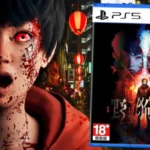
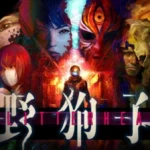
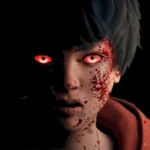
FacebookBlueSkyTumblrYoutubeSteamGoG Search for: Search Slitterhead Posted by Jonathan Kaharl on October 16, 2025 Slitterhead (野狗子 / Yakushi)...
A blending of camp horror and hack 'n slash gameplay elevate Slitterhead to just beyond a forgettable experience.
Read our in-depth Slitterhead (2024) game review, the new action-adventure game from Silent Hill and Forbidden Siren creator Keiichiro Toyama.
From the minds of the creators of Silent Hill comes a new action horror game with a twist!
Staying in the traditions of its predecessor Sirens, Slitterhead is weird. But is it any good?

Best for fluid traversal, rewarding exploration, striking art, and forgiving quality-of-life features. Skip it if you want deep combat, radical genre innovation, or consistently demanding bosses.
Pros: difficulty balance, boss design
Cons: innovation, sandbox freedom

Good if you want fast, tactical roguelite combat with huge progression depth, striking art, and standout music. Skip it if repetition, resource micromanagement, or a less emotionally satisfying sequel story...
Pros: combat system, progression system
Cons: originality

Good if you want a beautiful, demanding survival sandbox built around exploration, building, progression, and memorable co-op. Skip it if long resource runs, harsh death recovery, and deliberate pacing sound...
Pros: town-building system, exploration quality
Cons: grind level, fast travel convenience

Best for joyful destruction, dense exploration, and a charming DK-Pauline adventure. Skip it if camera quirks, frame-rate dips, easy bosses, or premium Switch 2 pricing are dealbreakers.
Pros: fun factor, world interactivity
Cons: frame rate stability, boss design