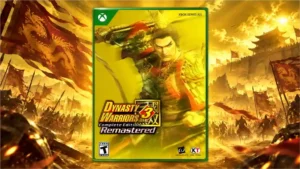
Weapon fusion and focused rewards reduce the need to slog through layers of currencies, making long-term upgrading feel purposeful.
Pros: remake/remaster quality, graphics quality
Cons: difficulty balance, voice acting

Weapon fusion and focused rewards reduce the need to slog through layers of currencies, making long-term upgrading feel purposeful.
Pros: remake/remaster quality, graphics quality
Cons: difficulty balance, voice acting
One returning reviewer specifically praises how easy it is to dive back in without facing a long, sluggish grind, while exploration and flexible leveling let players strengthen naturally.
Pros: performance optimization, frame rate stability
Cons: controller ergonomics, platform-specific feature support
Optional boosts reduce grinding, and several reviewers say the base game rarely demands it.
Pros: combat system, graphics quality
Cons: pacing, accessibility options
One assessment praised the progression for avoiding excessive grinding and respecting the player's time.
Pros: fun factor, combat system
Cons: originality, battle mode quality
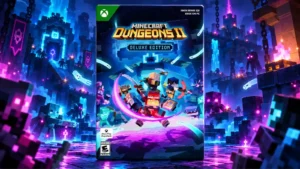
Better build tools and accessible upgrades help players settle on gear without endless farming, though dedicated min-maxers may still chase scarce high-tier drops.
Pros: open-world design, graphics quality
Cons: narrative quality, endgame content
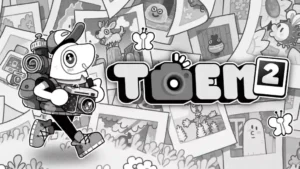
Optional cleanup and collecting rarely feel like busywork because discoveries are compact, playful, and naturally woven into exploration.
Pros: game length, gameplay mechanics
Cons: innovation, difficulty balance
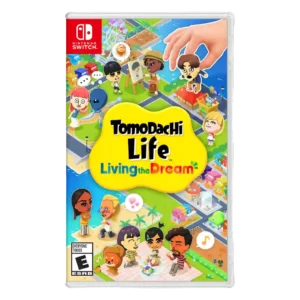
One reviewer specifically praises the relaxed progression for having no grind.
Pros: character customization, fun factor
Cons: content variety, gameplay mechanics
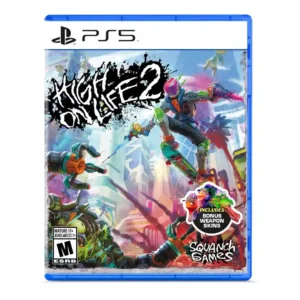
Progression is generally not described as chore-heavy, and the campaign lets players engage with side content without forcing excessive grinding.
Pros: writing quality, fun factor
Cons: bug frequency, combat system
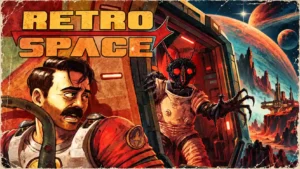
One completed playthrough finds the adventure free of filler. Its length feels appropriate without unnecessary padding.
Pros: overall quality, art direction
Cons: map and navigation design, difficulty balance

Progression can require repeated play, but one strongly positive source describes the grind as enjoyable because upgrades make characters feel noticeably stronger.
Pros: fun factor, faithfulness to franchise
Cons: combat system, game length
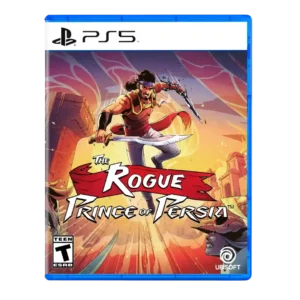
Grind level was praised as learning-focused and consistently rewarding rather than grindy.
Pros: combat system, movement feel
Cons: narrative quality, difficulty balance
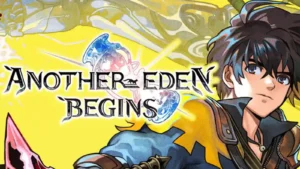
The premium conversion generally avoids mandatory grinding and is less grind-heavy than the mobile version. Character growth still takes time, but normal progression is usually enough to keep moving.
Pros: combat system, fun factor
Cons: difficulty balance, pacing

Encounter toggles and Grade Shop XP boosts make grinding far easier to control, a widely appreciated convenience for story-focused or returning players.
Pros: narrative quality, combat system
Cons: remake/remaster quality, value for money

Grind level is moderate: showcase events reduce grind, but structure can still feel restrictive.
Pros: graphics quality, driving mechanics
Cons: world interactivity, AI behavior
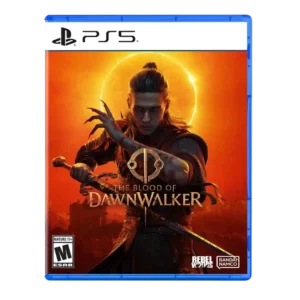
Progression generally avoids forcing long grinding sessions, though players can choose to spend time farming experience or abilities. The time system discourages excessive grinding by making many improvements compete with...
Pros: combat system, fun factor
Cons: content variety, polish
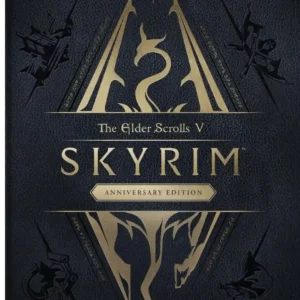
Skyrim usually avoids feeling like a conventional grind because exploration and skill use produce progress naturally. Some later players still find repetitive leveling or optimization chores annoying.
Pros: graphics quality, progression system
Cons: combat system, bug frequency
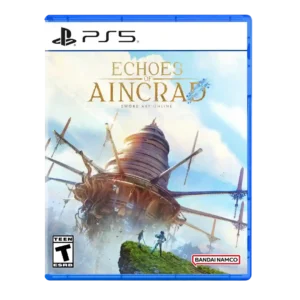
Grind level was mixed: one reviewer found the grind worthwhile through skills, while another worried the game could be too grindy.
Pros: combat system, companion AI
Cons: open-world design, movement feel
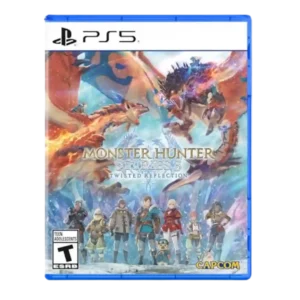
Grind varies heavily by play style and progression. Several players stayed leveled naturally through side activities, while others hit late-game stretches that demanded hours of quests, eggs, or experience farming.
Pros: combat system, narrative quality
Cons: difficulty balance, grind level
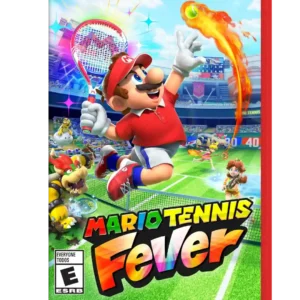
Grinding depends heavily on the mode: Adventure can feel tedious to veterans, while ranked progression gives competitive players a more purposeful grind. Other reviewers appreciate that much of the campaign...
Pros: fun factor, gameplay mechanics
Cons: tutorial quality, onboarding experience
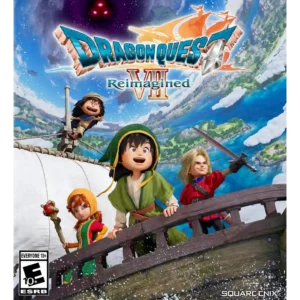
Auto-battle, speed controls, instant wins, and reward modifiers can dramatically reduce traditional grinding. Vocation progression and repeated encounters can still feel like a slog depending on settings and play style.
Pros: combat system, accessibility options
Cons: pacing, difficulty balance
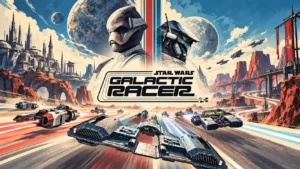
Some appreciate how varied paths and carryover rewards keep runs from feeling grindy. An opposing view dislikes leveling-based advantage and wants driving skill to matter more than hours invested.
Pros: fun factor, overall quality
Cons: difficulty balance, pacing
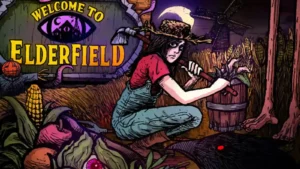
Grinding is highly taste-dependent: some players find the slow, punishing loop oppressive, while others call resource gathering and enemy farming surprisingly addictive. Long progression stalls are the biggest risk.
Pros: combat system, difficulty balance
Cons: progression system, bug frequency
Late-game grind was a repeated caveat, though reviewers usually treated it as a manageable blemish rather than a dealbreaker.
Pros: core gameplay loop, content variety
Cons: pacing, menu usability

The grind is the central tradeoff: preparation can feel deeply rewarding, but late-game resource hauling, rare drops, and long recovery trips often demand too much time.
Pros: town-building system, exploration quality
Cons: grind level, fast travel convenience
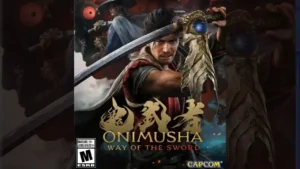
Several reviewers criticize material gathering and repeated combat as unnecessary grind, especially around upgrades. Others found resources plentiful enough that deliberate grinding was rarely required.
Pros: combat system, fun factor
Cons: pacing, open-world design
Early progression avoids heavy XP grinding, but later difficulty tiers can shift more time toward farming gold and repeating content rather than discovering new material.
Pros: value for money, combat system
Cons: camera behavior, content variety

Badge collecting can start to feel repetitive near the final zone, but the short runtime keeps that fatigue from becoming a major grind.
Pros: fun factor, puzzle design
Cons: hint system, originality
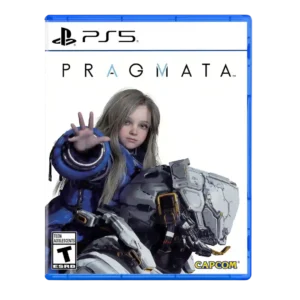
Grind level is a minor concern, particularly Cabin Coins and the number of currencies.
Pros: combat system, emotional impact
Cons: map and navigation design, platforming precision
Grinding is manageable when save points let players quickly respawn nearby enemies, but some reviewers still resent being pushed into farming for late upgrades or harder encounters.
Pros: fun factor, originality
Cons: combat system, narrative quality
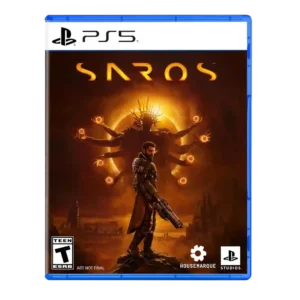
Grind and repetition drew mixed-to-negative comments, especially around repeated boss attempts and artifact droughts.
Pros: narrative quality, combat system
Cons: side character depth, dialogue quality

Repetition and waiting can turn the routine into busywork, especially after automation removes restaurant tasks. Other early players find meaningful progress without forced grind.
Pros: overall quality, shopkeeping system
Cons: performance optimization, pacing

Progression is less tedious in some areas thanks to streamlined SBCs and easier Season Pass XP, but Ultimate Team still carries substantial grind and administrative overhead. Some reviewers feel new...
Pros: gameplay mechanics, progression system
Cons: open-world design, AI behavior
Grinding is the game’s most polarizing trait. Automation and easier resource points can smooth repetition for some players, while others find the long chains of prerequisites and chores exhausting.
Pros: fun factor, core gameplay loop
Cons: grind level, learning curve
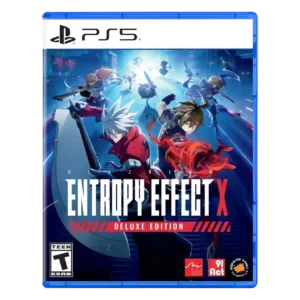
Grind is mixed to negative: one reviewer finds early repetition tolerable, while another says initial grinding is required before the game blooms.
Pros: combat system, character roster
Cons: narrative quality, learning curve

Repetition and busywork are recurring concerns, especially across multiple paths, even among reviewers who ultimately loved the full journey.
Pros: narrative quality, fun factor
Cons: grind level, learning curve
Grind has been one of the most volatile parts of the experience: beta legendary systems and progression tasks could feel excessive, while later redesigns aim to reduce repetitive RNG-heavy work.
Pros: fun factor, gameplay mechanics
Cons: monetization fairness, menu usability

Backtracking and collection gates are the biggest source of grind. Some players find the extra runs manageable or even enjoyable, while others see them as artificial padding that weakens the...
Pros: replay value, difficulty balance
Cons: game length, boss design
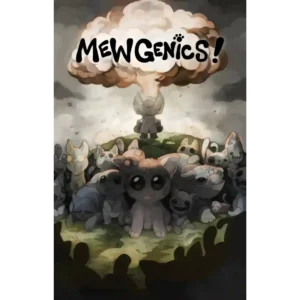
The enormous campaign and repeated breeding-management cycles can feel grindy, repetitive, or exhausting, especially for completionists. Some reviewers still call it a fun grind because new unlocks and combat combinations...
Pros: combat system, soundtrack quality
Cons: difficulty balance, learning curve
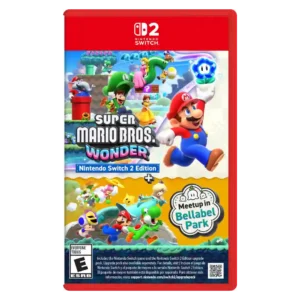
Randomized flower rewards and the need to replay challenges for more Bellabel Water can turn completion into a grind. Several writers enjoy the park loop casually but do not see...
Pros: fun factor, multiplayer design
Cons: matchmaking quality, map and navigation design
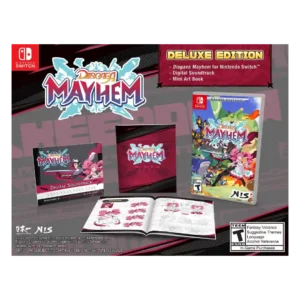
Grinding is central and initially satisfying for progression fans, but repeated Item World runs become harder to justify once meaningful challenges run out.
Pros: fun factor, progression system
Cons: difficulty balance, combat system
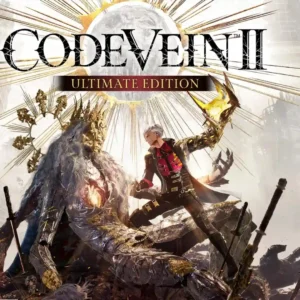
Grinding is not a central requirement for every playstyle, though some reviewers note farming materials or experience can quickly overpower content and smooth over difficulty spikes.
Pros: fun factor, narrative quality
Cons: boss design, exploration quality
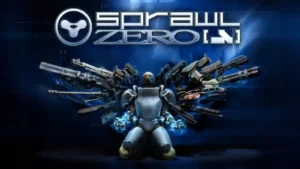
Repetition can creep in during the longer stretches, making the campaign feel grindy when combat variables stop changing enough.
Pros: fun factor, core gameplay loop
Cons: difficulty balance, narrative quality
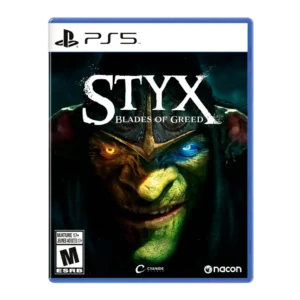
Repeated Quartz hunts, backtracking, and fetch-style objectives can feel like padding, especially when the mission structure asks players to revisit familiar areas without enough new narrative momentum.
Pros: fun factor, stealth mechanics
Cons: polish, combat system
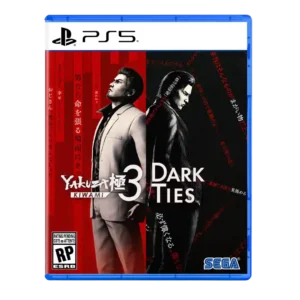
Grinding is one of the most repeated drawbacks, especially when mandatory side-mode ranks, fetch tasks, or repeated battles interrupt story progress.
Pros: fun factor, combat system
Cons: pacing, battle mode quality
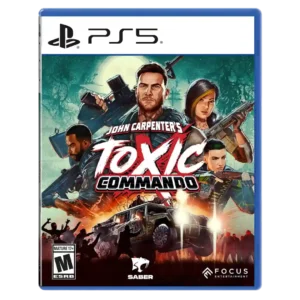
Grind is one of the most disputed areas. Some reviewers find weapon and class leveling well paced, while others say attachment costs and repeated campaign runs make experimentation needlessly laborious.
Pros: fun factor, combat system
Cons: mission variety, progression system
Resource and pressure management can occasionally become tedious, especially when the player is juggling supplies simply to keep the story moving.
Pros: narrative quality, writing quality
Cons: pacing, bug frequency

Grinding is the most persistent structural complaint, particularly in Ringside Pass, MyFaction, The Island, and padded story progression. Frequent players may tolerate it, but casual players face a steep time...
Pros: fun factor, gameplay mechanics
Cons: grind level, value for money

The grind is a consistent concern: repeated events, large collectible counts, and the long car-collection chase can become routine. Shorter play sessions help keep it from wearing out its welcome.
Pros: fun factor, open-world design
Cons: collectibles, originality

Unlocking aircraft and online progression can become grindy, especially for players chasing specific planes or currencies.
Pros: narrative quality, fun factor
Cons: dialogue quality, difficulty balance
Late progression is a recurring concern: repeated gold targets and revisiting the same dungeons can make the second half feel grindy even when smaller upgrades keep progress moving.
Pros: core gameplay loop, difficulty balance
Cons: narrative quality, load times