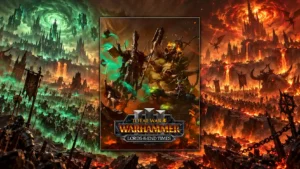
The new lords and units add enjoyable tactical options in battle, with the Glottkin standing out for their flexible mix of spellcasting, durability, and melee pressure.
Pros: gameplay mechanics, fun factor
Cons: AI behavior, polish

The new lords and units add enjoyable tactical options in battle, with the Glottkin standing out for their flexible mix of spellcasting, durability, and melee pressure.
Pros: gameplay mechanics, fun factor
Cons: AI behavior, polish
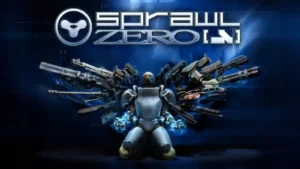
Combat is the clear centerpiece: disposable guns, Gravity Gloves, Bullet Time, shields, and Rushdown combine into frantic improvisational fights. At its best, the system feels fast, expressive, and exceptionally satisfying.
Pros: fun factor, core gameplay loop
Cons: difficulty balance, narrative quality
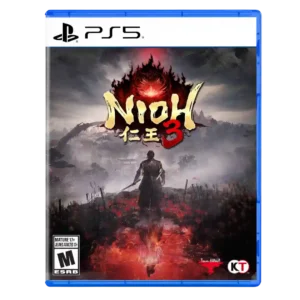
Combat was the most strongly praised attribute, repeatedly called deep, smooth, flexible, and among the best in the soulslike/action RPG space.
Pros: combat system, open-world design
Cons: narrative quality, performance optimization

Combat remains one of the package’s biggest strengths, combining precise timing with shields, dodges, magic, summons, weapon skills, mounted fighting, and an enormous range of builds. Reviewers repeatedly describe victories...
Pros: performance optimization, frame rate stability
Cons: controller ergonomics, platform-specific feature support
The sword combat is the overwhelming consensus highlight: precise, weighty, reactive, and deeply satisfying, with parries, deflects, dodges, Issens, clashes, and Oni Armaments giving players meaningful options. Even critical reviews...
Pros: combat system, fun factor
Cons: pacing, open-world design
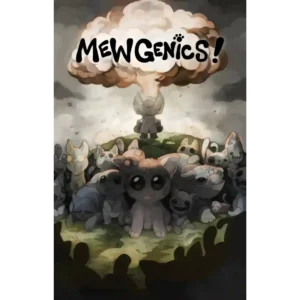
Turn-based combat is the clearest consensus strength. Reviewers repeatedly praise its readable fundamentals, deep interactions, inventive synergies, meaningful positioning, and capacity to create wildly different tactical problems every run.
Pros: combat system, soundtrack quality
Cons: difficulty balance, learning curve
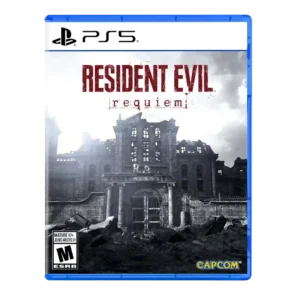
Combat drew broad praise for weight, weapon handling, Leon’s action toolkit, and entertaining encounters, though one review noted some harassment-style friction.
Pros: pacing, combat system
Cons: originality
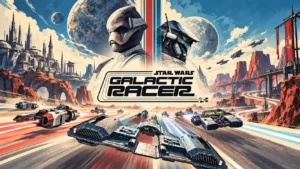
Shunting rivals into obstacles and combining offensive abilities with boosts make racing thrillingly aggressive. The best moments preserve a role for clean driving instead of letting destruction replace racing skill.
Pros: fun factor, overall quality
Cons: difficulty balance, pacing
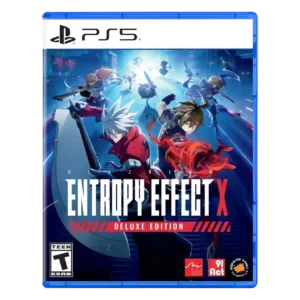
Combat is the clearest consensus strength: reviewers repeatedly call it fun, fluid, satisfying, stylish, and the main reason to keep playing.
Pros: combat system, character roster
Cons: narrative quality, learning curve
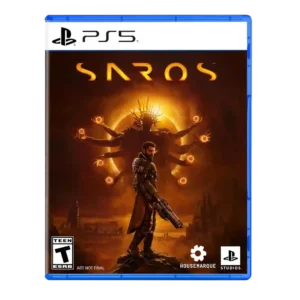
Combat was the strongest consensus point, described as thrilling, precise, tactile, and among Housemarque’s best work.
Pros: narrative quality, combat system
Cons: side character depth, dialogue quality
Combat is generally praised for parries, dodges, varied weapons, and stronger late-game depth, though stamina pressure can make some encounters harsher than they need to be.
Pros: town-building system, exploration quality
Cons: grind level, fast travel convenience
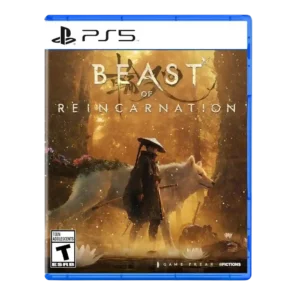
Parry-driven swordplay gains real tactical depth from Koo’s slow-motion Bloom Arts and support abilities. It is the clearest standout, with multiple hands-on players describing it as satisfying, expressive, and difficult...
Pros: combat system, companion AI

Combat is one of the sequel's clearest strengths: fast, responsive, and satisfying, with stronger build variety and combo flow. A few players still find it either overly brutal or somewhat...
Pros: core gameplay loop, difficulty balance
Cons: narrative quality, load times
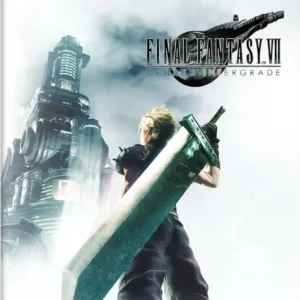
The hybrid real-time and ATB system is a consensus strength: strategic, flashy, and rewarding, though aerial combat and some controls draw criticism.
Pros: combat system, graphics quality
Cons: pacing, accessibility options
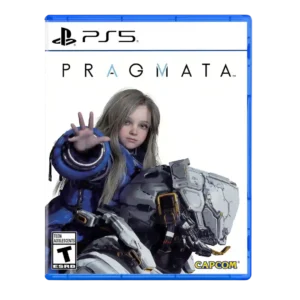
Combat is the strongest consensus point, with reviewers praising the simultaneous hacking and shooting as satisfying, distinctive, and deeply engaging despite occasional clunkiness.
Pros: combat system, emotional impact
Cons: map and navigation design, platforming precision
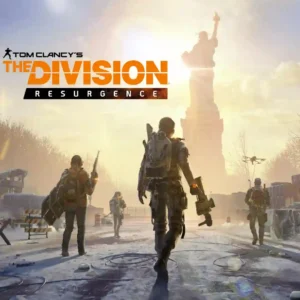
Cover shooting is consistently praised as punchy, responsive, and tactical, preserving the satisfying feel of the mainline games.
Pros: content variety, controls responsiveness
Cons: narrative quality, menu usability

The hybrid combat system draws broad praise for blending fast field attacks with deeper turn-based strategy. Some reviewers find it simpler than newer Trails entries or occasionally too easy, but...
Pros: combat system, narrative quality
Cons: pacing, onboarding experience
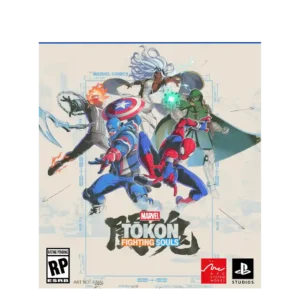
Combat is repeatedly praised for mechanical density, rhythm, speed, and improved assist/tag dynamics, with only beta-era roughness holding it back.
Pros: fun factor, character roster
Cons: tutorial quality, competitive balance
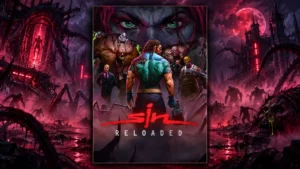
Gunplay is usually punchy, fast, and satisfying, especially with locational damage and stronger weapons. The main caveat is that some basic guns and dated encounters can still feel simplistic or...
Pros: remake/remaster quality, overall quality
Cons: level design, map and navigation design
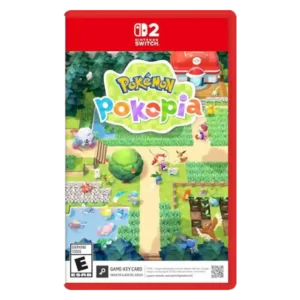
The lack of combat was judged as a good fit for the life-sim design rather than a missing feature.
Pros: core gameplay loop, content variety
Cons: pacing, menu usability
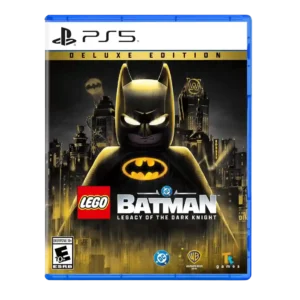
Combat earns the broadest praise, with reviewers calling it fluid, punchy, deep, immersive, and fun while noting clear Arkham influence.
Pros: combat system, exploration quality
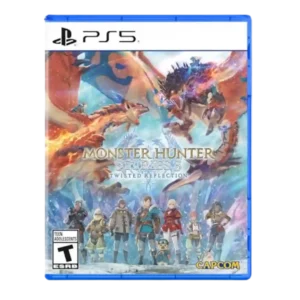
Combat is deep, strategic, and highly praised overall, especially for weapon switching, part targeting, Wyvernsoul, and monster patterns. A smaller group finds the layered systems slow, passive, or overly demanding.
Pros: combat system, narrative quality
Cons: difficulty balance, grind level

Combat is the clearest strength: battles are widely described as polished, strategic, tense, and cleverly designed, though a few sources note repetition or uneven difficulty.
Pros: narrative quality, fun factor
Cons: grind level, learning curve
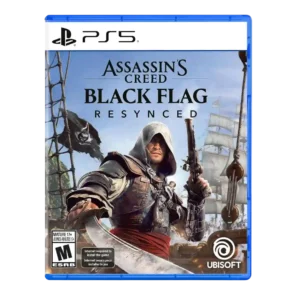
Combat is one of the most consistently praised areas, with reviewers highlighting faster attacks, parries, chain takedowns, added depth, and a more modern feel.
Pros: graphics quality, remake/remaster quality
Cons: DLC value, multiplayer design

Turn-based combat is one of the biggest surprises, with action points, builds, buffs, debuffs, and resource planning adding real strategy. It is often praised as deep and refreshing, though its...
Pros: combat system, difficulty balance
Cons: progression system, bug frequency
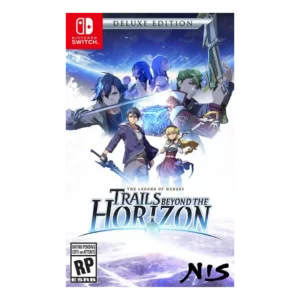
Combat was the most consistently praised system, with many reviewers calling it deep, refined, fun, and stronger than earlier Calvard entries, though a few found field combat or balance too...
Pros: narrative quality, combat system
Cons: onboarding experience, pacing
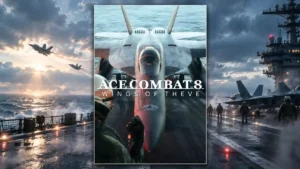
Aerial combat is the clearest consensus strength, combining fast arcade handling, tense missile chases, and satisfying target takedowns.
Pros: narrative quality, fun factor
Cons: dialogue quality, difficulty balance
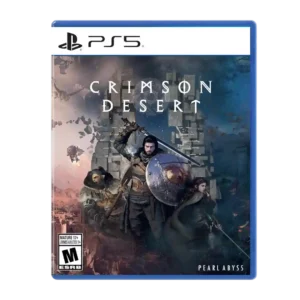
Reviewer evidence is positive: combat system was generally praised, though some notes were more qualified across 17 review(s).
Pros: combat system, graphics quality
Cons: controls responsiveness, narrative quality
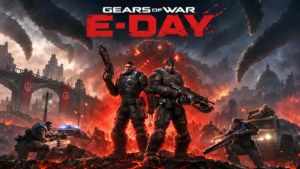
Cover shooting remains the star: guns hit hard, executions feel satisfyingly brutal, and the classic Gears rhythm is still compelling. The main caveat is that larger enemies can turn into...
Pros: combat system, graphics quality
Cons: exploration quality, mission design
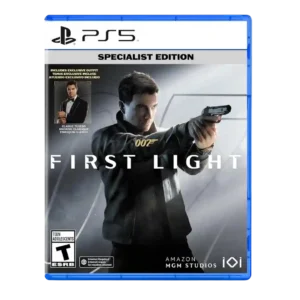
Combat earns broad praise for fluid melee, environmental takedowns, and cinematic force, though one preview finds the gunfight presentation less clean than the driving.
Pros: stealth mechanics, combat system
Cons: pacing
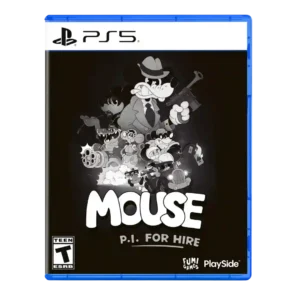
Fast movement, punchy weapons, environmental traps, and rapid weapon swapping make firefights energetic and satisfying. The action can become repetitive or generic during longer stretches, and a few players disliked...
Pros: fun factor, art direction
Cons: weapon balance, gameplay mechanics
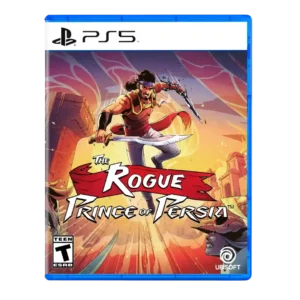
Combat drew broad praise for smooth, acrobatic, environment-aware action, but several reviewers found it basic, floaty, or less deep than movement.
Pros: combat system, movement feel
Cons: narrative quality, difficulty balance
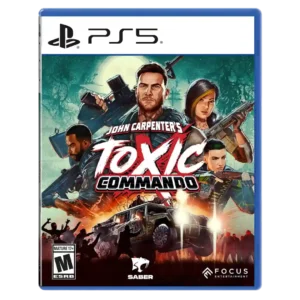
Gunplay is widely praised for punchy feedback, satisfying hits, and a strong first-person feel, although a minority describe it as merely serviceable or a little light.
Pros: fun factor, combat system
Cons: mission variety, progression system

Most reviewers praised the combat as weighty, tactical, and deep, though beta-focused criticism flagged touch-of-death routes and scrubby outcomes.
Pros: fun factor, combat system
Cons: learning curve, competitive balance

The new boss encounters give combat more interesting attack patterns and counterplay than the base game often had. A few critics still dislike the stop-start rhythm of waiting for openings,...
Pros: fun factor, multiplayer design
Cons: matchmaking quality, map and navigation design
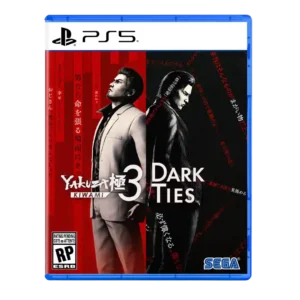
Combat is the clearest upgrade: faster encounters, two versatile Kiryu styles, and Mine’s aggressive moveset make fighting far smoother and more satisfying than Yakuza 3.
Pros: fun factor, combat system
Cons: pacing, battle mode quality
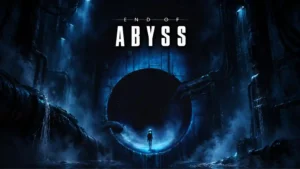
Twin-stick combat is often tense, tactical, and satisfying, especially when dodging through crowded encounters. Its simplicity, repetitive enemies in reused routes, awkward arenas, and uneven weapon economy keep it from...
Pros: atmosphere, exploration quality
Cons: map and navigation design, bug frequency

Basic attacks are easy to execute and fighting fits naturally into the platforming flow. Combat is not especially deep, but it generally supports the game's fast, accessible style.
Pros: replay value, difficulty balance
Cons: game length, boss design

The absence of conventional combat fits the focus on business and everyday city life. It works best for players comfortable with a quieter cyberpunk experience.
Pros: overall quality, shopkeeping system
Cons: performance optimization, pacing

The combat foundation is widely admired for Chain Skills, party swapping, elemental planning, and build synergy. The main weakness is balance: many encounters are so easy that the deeper systems...
Pros: combat system, fun factor
Cons: difficulty balance, pacing
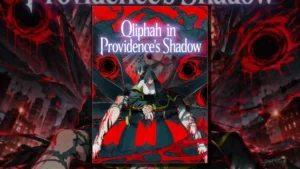
The counter-timeline battle system is the main attraction: timing color-matched counters, managing two characters, and pausing to plan can feel fresh and exhilarating. Its complexity, repetition, and uneven explanations make...
Pros: combat system, originality
Cons: overall quality, narrative quality
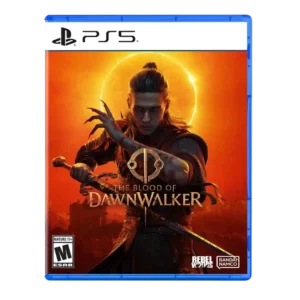
Directional blocking and parrying can feel satisfying, deliberate, and powerful once learned, especially at night. Opinions split sharply because repetition, camera trouble, enemy sponginess, and limited variety can make later...
Pros: combat system, fun factor
Cons: content variety, polish
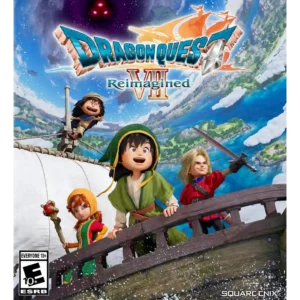
The modernized turn-based combat is widely liked for its speed, flexibility, Let Loose abilities, and vocation synergies. Auto-battle and low difficulty can make regular fights feel shallower than the underlying...
Pros: combat system, accessibility options
Cons: pacing, difficulty balance
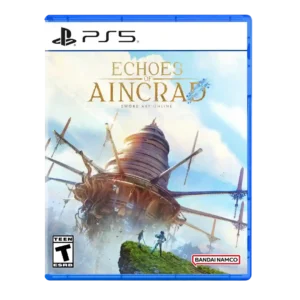
Combat drew the most coverage: most reviewers liked its weight, responsiveness, partner skills and boss utility, though some found it ordinary, restrictive, or lacking impact.
Pros: combat system, companion AI
Cons: open-world design, movement feel

The action-per-turn combat is simple but tactically rich when positioning, enemy behaviors, and items come together. Its age shows in basic attacks and deliberate movement, yet several reviewers still find...
Pros: graphics quality, core gameplay loop
Cons: difficulty balance, remake/remaster quality

Ship combat adds welcome urgency but can become chaotic or uncomfortable, particularly when missiles and hazards crowd the screen.
Pros: fun factor, puzzle design
Cons: difficulty balance, narrative quality

Combat is generally smooth, responsive, and enjoyable, but it is also the most common mechanical caveat. Several reviewers wished the basic matchstick-focused moveset had more depth or another distinct attack...
Pros: difficulty balance, boss design
Cons: innovation, sandbox freedom
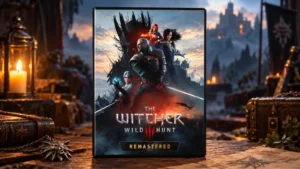
Swordplay, enemy behavior and contextual finishers feel more responsive and exciting. However, the basic fighting model is still recognizably the same, and longstanding targeting complaints remain.
Pros: graphics quality, value for money
Cons: performance optimization, frame rate stability
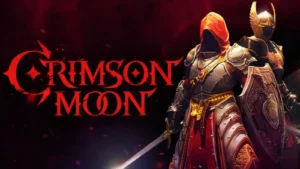
Combat lands well for many players thanks to responsive attacks, weighty hits, parries, dodges, finishers, and build-driven skills. Others find it shallow or inconsistent, especially when camera and hitbox problems...
Pros: value for money, combat system
Cons: camera behavior, content variety

Combat is the biggest point of disagreement: many reviewers love its speed, combo freedom, and risk-reward systems, while others find it button-mashy, overcomplicated, poorly balanced, or repetitive.
Pros: narrative quality, combat system
Cons: remake/remaster quality, value for money