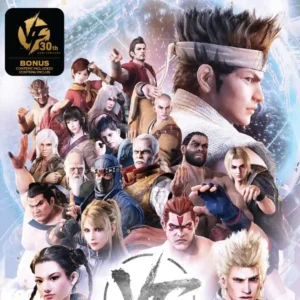
The three-button fighting system is the standout strength: fast, grounded, precise, deeply strategic, and rewarding enough to support years of mastery.
Pros: remake/remaster quality, combat system
Cons: content variety, character customization

The three-button fighting system is the standout strength: fast, grounded, precise, deeply strategic, and rewarding enough to support years of mastery.
Pros: remake/remaster quality, combat system
Cons: content variety, character customization
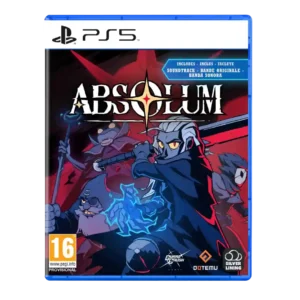
Combat was the clearest strength, with reviewers repeatedly praising its feel, depth, combo freedom, and beat-em-up fundamentals.
Pros: combat system, replay value
Cons: narrative quality, grind level
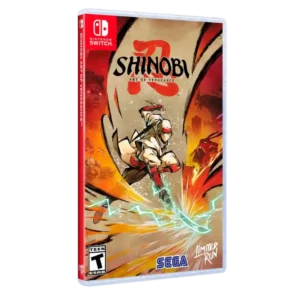
Combat is the most consistently praised attribute, with reviewers calling it fluid, deep, expressive, satisfying, and central to the game’s appeal.
Pros: combat system, faithfulness to franchise
Cons: narrative quality, frame rate stability

Combat is one of the clearest strengths: fast, satisfying, tactical, and deeper than before, with only scattered concerns about flow or screen clutter.
Pros: combat system, progression system
Cons: originality
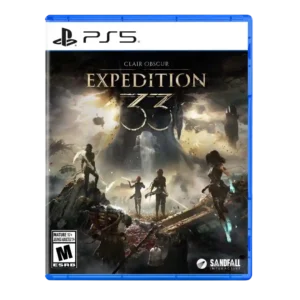
Combat was the most consistently praised system, with reviewers highlighting active dodges, parries, character-specific mechanics, and satisfying turn-based depth; a few found it divisive or demanding.
Pros: narrative quality, combat system
Cons: map and navigation design, menu usability
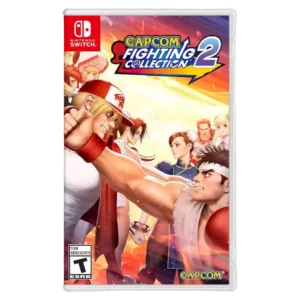
Combat is widely described as tactical, deep, and enjoyable, with standout praise for Capcom vs. SNK, Street Fighter Alpha, and the Power Stone-style action.
Pros: content variety, value for money
Cons: cross-play support, competitive balance
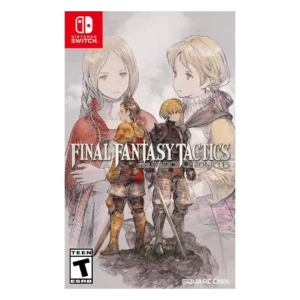
The tactical combat system was one of the most consistently praised elements, described as fun, strategic, and still genre-leading.
Pros: remake/remaster quality, voice acting
Cons: content variety, camera behavior
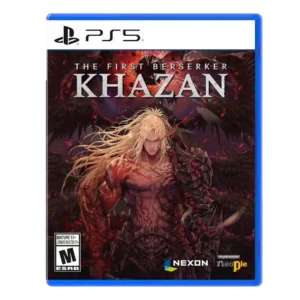
Combat is the product’s clearest strength: reviewers repeatedly call it fast, satisfying, deep, and among the genre’s best, with only a few reservations about stamina or consistency.
Pros: combat system, boss design
Cons: narrative quality, difficulty balance

Combat is the strongest consensus point: reviewers praise punchy gunplay, chaotic fights, and responsive shooting, despite a few concerns about repetition or tuning.
Pros: movement feel, loot system
Cons: performance optimization, narrative quality

Combat is a major strength, described as fast, precise, tense, dance-like, and rewarding, though some reviews tie its highs to demanding difficulty.
Pros: difficulty balance, art direction
Cons: economy and resource balance, checkpoint system

Combat is the most broadly praised system, with fluid parries, weapon-swapping, violent impact, and strong duels; criticisms focus on rigidity or fatigue in the rock-paper-scissors weapon setup.
Pros: combat system, narrative quality
Cons: grind level, innovation

Combat drew broad praise for tense, punchy, tactical third-person firefights, with only a few reviews calling it cumbersome or mediocre.
Pros: sound design, combat system
Cons: voice acting, menu usability

Quick sword strikes, ranged attacks, and color-coded Hypercharge rewards make combat feel crisp and energetic. Critics find the toolkit less demanding or less expansive than its early promise suggests.
Pros: overall quality, difficulty balance
Cons: frame rate stability, performance optimization
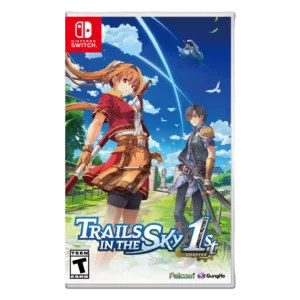
Combat drew the strongest agreement: reviewers liked the hybrid real-time and command-battle system, though a few found the action side simple.
Pros: remake/remaster quality, combat system
Cons: content variety

Eight-character front-and-back-row battles are the clearest standout, adding flexible swaps, party synergies, and deeper weakness management to the familiar Boost-and-Break foundation. A minority found eight characters harder to manage.
Pros: narrative quality, combat system
Cons: pacing, side character depth

Combat was the clearest strength across the review set, often called deep, reactive, satisfying, or the best Hyrule Warriors has felt.
Pros: combat system, character roster
Cons: level design, mission design
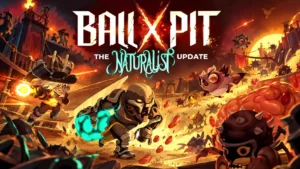
Ricochets, enemy prioritization, and spectacular chain reactions make fighting deeply satisfying. A minority find the action too automated or the dodging insufficiently precise.
Pros: fun factor, upgrade system
Cons: user interface design, grind level

combat and gunplay were repeatedly praised as satisfying, impactful, and series-leading.
Pros: multiplayer design, sound design
Cons: narrative quality, map and navigation design

Combat was the clearest consensus strength, praised as fluid, satisfying, richer, dynamic, and in some cases the best the series has felt.
Pros: combat system, narrative quality
Cons: difficulty balance, endgame content

Combat is the clearest strength across the reviews. Linked Artes, character swapping, fast real-time attacks, and build experimentation are repeatedly described as fluid, deep, and fun, though a few reviewers...
Pros: combat system, remake/remaster quality
Cons: animation quality, environmental detail
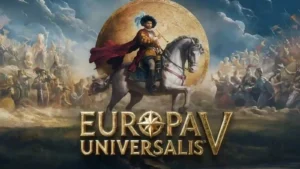
Warfare gains weight from terrain, weather, logistics, supply, formations, and population losses, making victories feel earned. A few reviewers found battle rules or sieges opaque, but the overall system is...
Pros: gameplay mechanics, fun factor
Cons: learning curve, AI behavior

Combat was viewed positively when material properties affected enemy encounters and made fights more strategic than simple punching.
Pros: fun factor, world interactivity
Cons: frame rate stability, boss design

Bungie-style gunplay is the clearest strength: weapons feel punchy, precise, and satisfying, and team fights can be exhilarating. The very short time-to-kill can also make some deaths feel abrupt or...
Pros: fun factor, loot system
Cons: difficulty balance, quest design
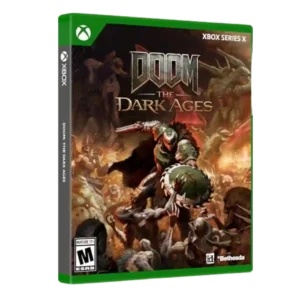
Combat drew the strongest agreement, with most reviewers praising shield-led, melee-heavy gunfights, while a minority felt the defensive shift weakened Doom’s flow.
Pros: combat system, weapon balance
Cons: flying mechanics, narrative quality

Gunplay is usually a major strength, with tight shooting and satisfying firefights carrying over from Battlefield 6. Hit-registration problems make a minority of sessions feel noticeably less reliable.
Pros: fun factor, battle mode quality
Cons: multiplayer design, replay value

Most reviewers find the combat deep, satisfying, and well considered, while a minority feel it is watered down or clunky compared with other fighters.
Pros: content variety, gameplay mechanics
Cons: learning curve, user interface design

Real-time combat was the dominant positive, widely praised as fresh and exciting, though a few reviewers called it clunky, spammy, or poorly refined.
Pros: combat system, exploration quality
Cons: graphics quality, voice acting
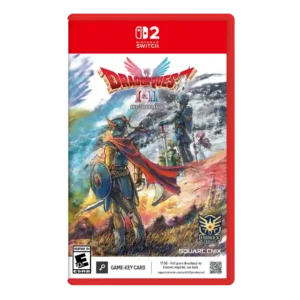
Combat was widely seen as engaging and more strategic, though several reviewers noted Dragon Quest I's solo fights could become frustrating or unfair.
Pros: remake/remaster quality, combat system
Cons: difficulty balance, grind level
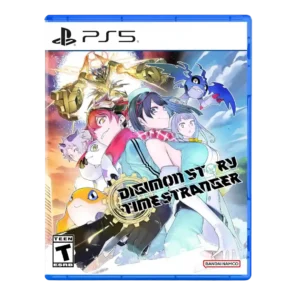
Combat drew broad praise for its turn-based depth, weakness systems, and boss demands, although some reviewers found normal encounters or HP-heavy fights less exciting.
Pros: progression system, narrative quality
Cons: pacing, content variety

Combat was one of the most consistently praised elements, especially magic, responsiveness, and build variety, despite repetition and gear-gating complaints.
Pros: combat system, narrative quality
Cons: difficulty balance, enemy variety
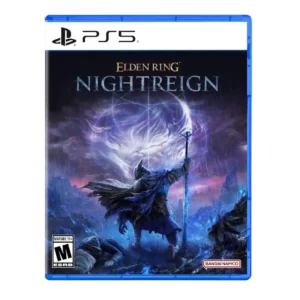
Combat drew strong praise when it retained Elden Ring's timing and aggression, though a few reviewers felt the multiplayer format strained the system.
Pros: co-op experience, fun factor
Cons: difficulty balance, social features

Combat was widely seen as a major improvement, especially gunplay, though melee feel and RPG-shooter limitations kept some scores mixed.
Pros: combat system, progression system
Cons: pacing, AI behavior
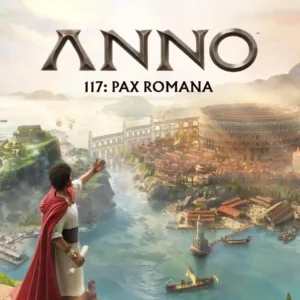
Combat is generally satisfying and better integrated than in earlier entries, especially at sea, but it remains deliberately lighter and less tactical than a dedicated RTS.
Pros: fun factor, graphics quality
Cons: learning curve, bug frequency

Combat drew broad attention for its realism, skill focus, and improvements, though several reviewers still found it harsh, clunky, or frustrating early on.
Pros: combat system, narrative quality
Cons: save system reliability, learning curve
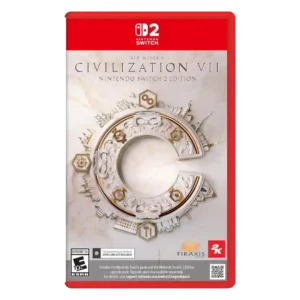
Combat was one of the most consistently praised systems thanks to commanders, easier army movement, and reduced tedium, though a few reviewers found war only adequate or overused.
Pros: fun factor, economy and resource balance
Cons: progression system, user interface design

Combat is widely enjoyed for brutal Heat Actions, environmental weapons, and seamless brawls, but the single fighting style divides opinion. Fans of the older multi-style system may find it shallower...
Pros: narrative quality, combat system
Cons: onboarding experience, difficulty balance

Combat is widely seen as tighter and more viable than before, but several reviewers still found it basic, intrusive, or less compelling than traversal.
Pros: narrative quality, combat system
Cons: difficulty balance, weapon balance

Human firefights are often tense, weighty, and satisfying, with strong weapon feedback and tactical pressure. Combat loses some of that appeal when AI quirks or spongey mutants turn encounters into...
Pros: immersion, fun factor
Cons: bug frequency, AI behavior
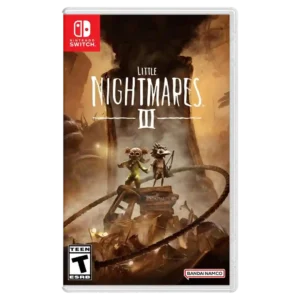
Combat drew limited but positive notice when Carnavale forced the pair into tense teamwork against doll enemies.
Pros: atmosphere, faithfulness to franchise
Cons: puzzle design, co-op experience
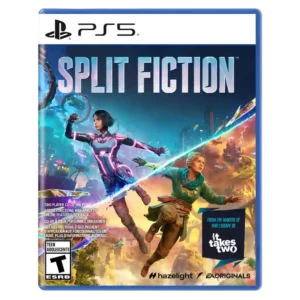
Combat was described positively when the game shifts into shooter and action-platforming sequences.
Pros: co-op experience, content variety
Cons: writing quality, narrative quality

Combat is the main attraction: fast movement, guns, katanas, grappling, throws, finishers, and improvised weapon swaps can create spectacular VR action. The recurring caveat is that melee often feels floaty,...
Pros: combat system, voice acting
Cons: pacing, boss design
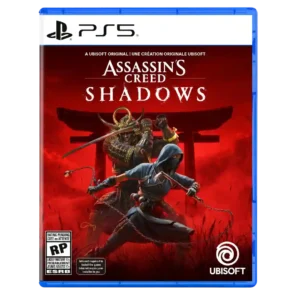
Combat is widely seen as stronger and more deliberate than recent entries, especially with Yasuke, though a few critics still found it clumsy or underdeveloped.
Pros: stealth mechanics, graphics quality
Cons: narrative quality, mission variety
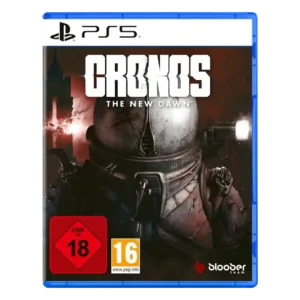
Combat was the most divisive attribute: many found it tense, strategic, and satisfying, while several called it rote, grating, clunky, or too derivative.
Pros: combat system, narrative quality
Cons: boss design, puzzle design

The core gunplay remains one of Black Ops 7's strongest qualities, with many sources praising its speed, responsiveness, and satisfying shooting. Campaign bullet sponges and PvE tuning are the main...
Pros: multiplayer design, level design
Cons: fun factor, narrative quality

Sniping is consistently satisfying, while close-range gunplay divides opinion. Some praise punchy pistols and SMGs; others find their aiming slow, inaccurate, and poorly suited to chaotic firefights.
Pros: overall quality, level design
Cons: innovation, mission design

Combat is commonly seen as simple and accessible; several reviewers still find it enjoyable or dynamic, while a few call it shallow.
Pros: core gameplay loop, narrative quality
Cons: crafting system, multiplayer design
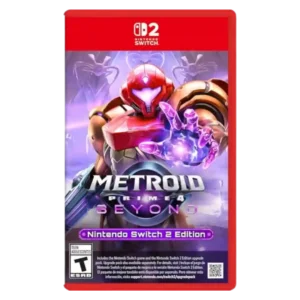
Combat was generally seen as satisfying and polished, but some reviewers criticized repeated waves, limited enemy interplay, or mixed encounter pacing.
Pros: boss design, graphics quality
Cons: open-world design, side character depth

Combat was praised when folded into chaotic group play, but precise one-on-one targeting exposed the limits of the control scheme.
Pros: battle mode quality, content variety
Cons: learning curve, competitive balance
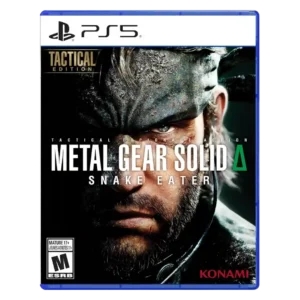
Combat impressions are mixed: one reviewer called it a great action game when needed, while others found melee or modern CQC uneven.
Pros: remake/remaster quality, graphics quality
Cons: performance optimization, frame rate stability
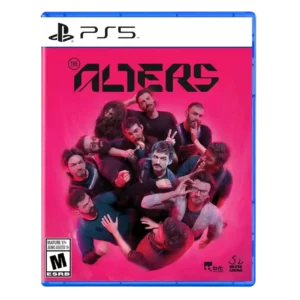
Combat-like anomaly encounters were generally seen as simple or secondary; some found them fitting, while others called them weak or uneven.
Pros: narrative quality, replay value
Cons: difficulty balance, pacing