Tents are praised for being frequent, sensibly placed, and often close to bosses, reducing frustrating runbacks and making experimentation easier.
Pros: difficulty balance, boss design
Cons: innovation, sandbox freedom

Tents are praised for being frequent, sensibly placed, and often close to bosses, reducing frustrating runbacks and making experimentation easier.
Pros: difficulty balance, boss design
Cons: innovation, sandbox freedom

Modern checkpoints and rewind-style retries are praised for preventing long battles from becoming punishing full restarts.
Pros: remake/remaster quality, graphics quality
Cons: difficulty balance, voice acting
Frequent green-gate checkpoints are generous and keep deaths from becoming overly punishing.
Pros: fun factor, core gameplay loop
Cons: difficulty balance, narrative quality

Generous checkpoints reduce the sting of deaths and keep difficult sections from forcing long replays.
Pros: remake/remaster quality, horror tension
Cons: combat system, frame rate stability
Immediate boss retries are a welcome touch, removing long runbacks and making repeated attempts much less tedious.
Pros: boss design, exploration quality
Cons: combat system, narrative quality

Generous autosaves soften the impact of technical problems by keeping forced reloads from costing much progress.
Pros: narrative quality, side character depth
Cons: combat system, polish
Frequent, well-placed save points keep deaths from forcing long repeats. The generous checkpointing is convenient, though habitual savers may find it excessive.
Pros: fun factor, art direction
Cons: weapon balance, gameplay mechanics

Deaths are softened by short runbacks, persistent environmental unlocks, and natural checkpoints between larger rest sites. This keeps difficult encounters from becoming excessively repetitive.
Pros: combat system, companion AI
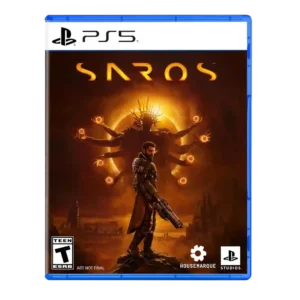
Saros’ checkpoint-like structure and biome restart options were praised for reducing repetition and respecting time.
Pros: narrative quality, combat system
Cons: side character depth, dialogue quality

The checkpoint system was praised for autosaving and Wells of Dreams respecting player time.
Pros: combat system, movement feel
Cons: narrative quality, difficulty balance
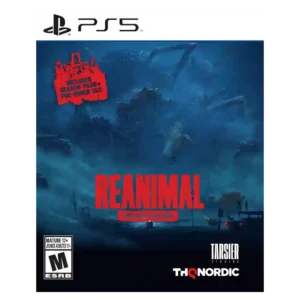
Checkpointing is praised as sensible, generous, and forgiving, helping reduce trial-and-error frustration.
Pros: narrative quality, atmosphere
Cons: puzzle design, fun factor

Sites of Grace are generally placed close enough to major fights that failed attempts do not require long runbacks, keeping repeated boss attempts focused on the fight itself.
Pros: performance optimization, frame rate stability
Cons: controller ergonomics, platform-specific feature support
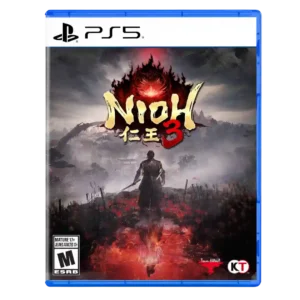
Checkpoints were praised as well placed and supported by abundant shortcuts.
Pros: combat system, open-world design
Cons: narrative quality, performance optimization

The checkpoint system appears much improved because detection in tailing missions no longer forces instant desynchronization.
Pros: graphics quality, remake/remaster quality
Cons: DLC value, multiplayer design
Act checkpoints preserve completed story progress instead of sending every failure back to the opening qualification. That protection is appreciated within an otherwise demanding repeat-run structure.
Pros: fun factor, overall quality
Cons: difficulty balance, pacing
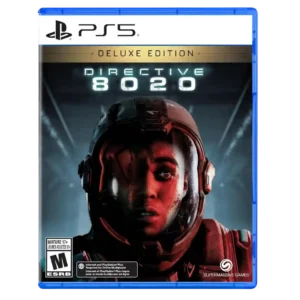
The checkpoint and rewind-style Turning Points system was mostly praised, though one preview said the demo did not show enough to judge it fully.
Pros: horror tension, gameplay mechanics
Cons: AI behavior, polish

Remembered puzzle positions make leaving and returning convenient. Long interconnected sections can still demand extensive repetition when a full reset becomes necessary.
Pros: overall quality, puzzle design
Cons: narrative quality, difficulty balance
Restoration pods are generally well spaced and create relief, strategy, and fast boss retries, though bug-related reloads can still cost meaningful progress.
Pros: atmosphere, exploration quality
Cons: map and navigation design, bug frequency
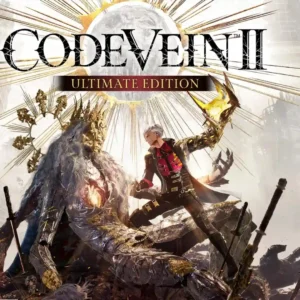
Checkpoint placement is generally forgiving around difficult encounters, and post-launch updates add more resurrection points to reduce runbacks further.
Pros: fun factor, narrative quality
Cons: boss design, exploration quality
A helpful return warp lets defeated players resume a dungeon without losing their route, although disconnects can bypass that convenience and force longer repeat runs.
Pros: open-world design, graphics quality
Cons: narrative quality, endgame content

Quick recovery and forgiving restarts keep most failures from interrupting the cooperative flow for long.
Pros: fun factor, puzzle design
Cons: difficulty balance, narrative quality
Checkpoint-style safe areas were viewed as effective risk-reward tools that restored resources while increasing enemy pressure.
Pros: combat system, companion AI
Cons: open-world design, movement feel

Checkpointing had limited positive support because one reviewer noted autosaves before frustrating action segments.
Pros: narrative quality, voice acting
Cons: bug frequency, menu usability

Frequent checkpoints usually limit lost progress and can rescue broken encounters. They do not prevent every softlock, but they reduce the sting of many failures.
Pros: writing quality, fun factor
Cons: bug frequency, combat system

Checkpoint impressions are mixed. Some find them forgiving or well placed before bosses, while others report long stretches that force substantial replay after a death.
Pros: fun factor, faithfulness to franchise
Cons: combat system, game length

Frequent checkpoints soften falls and keep progress easy, though their generosity can remove any sense of stakes.
Pros: content variety, family friendliness
Cons: collectibles, level design

Some reviewers found checkpoints forgiving after destruction. Another found them too far apart, making every reset after getting stuck painful.
Pros: core gameplay loop, overall quality
Cons: map and navigation design, driving mechanics
Checkpointing is usually generous, especially around difficult fights, though one reviewer disliked having to restart multi-phase boss encounters from the beginning.
Pros: combat system, fun factor
Cons: pacing, open-world design
The instant quick-save idea is widely appreciated because it encourages experimentation, but unreliable saves and less generous checkpoint behavior create exceptions to that strength.
Pros: fun factor, stealth mechanics
Cons: polish, combat system

Checkpointing is inconsistent: some found it generous, while others hit frustrating stretches that required replaying substantial portions of a mission.
Pros: narrative quality, fun factor
Cons: dialogue quality, difficulty balance
Bed-based respawns can shorten corpse runs, but deaths in hostile biomes can still spiral into long recovery loops, especially solo.
Pros: town-building system, exploration quality
Cons: grind level, fast travel convenience
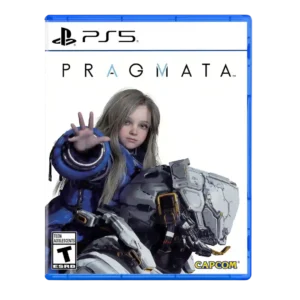
The checkpoint/Shelter loop is useful but imperfect, with respawning enemies after Shelter visits bothering at least one reviewer.
Pros: combat system, emotional impact
Cons: map and navigation design, platforming precision

Showcase can become frustrating when a late mistake forces a repeat. Mid-match checkpoints could reduce that frustration, though one assessment notes they might also soften the challenge too much.
Pros: fun factor, gameplay mechanics
Cons: grind level, value for money

Bivouacs and pitons make progress feel consequential, but several reviewers think major checkpoints are spaced too far apart during difficult sections.
Pros: narrative quality, emotional impact
Cons: difficulty balance, gameplay mechanics

Checkpoint impressions vary by mode and source: frequent checkpoints are appreciated where available, while reviewers criticize situations where long solo runs can be lost without a useful checkpoint.
Pros: fun factor, combat system
Cons: mission variety, progression system

Checkpoint experiences vary: some reviewers praise generous respawns close to encounters, while others describe autosaves that can send them back through frustrating fights or lock them into poor resource states.
Pros: graphics quality, environmental detail
Cons: combat system, polish

Checkpoints are functional but divisive. Some reviewers appreciate returning to an activated point with a retry buff, while others dislike old-school save-point rules and unforgiving placement.
Pros: fun factor, originality
Cons: combat system, narrative quality

Frequent checkpoints keep failure painless, but some critics think they are so generous that deaths lose much of their consequence.
Pros: replay value, difficulty balance
Cons: game length, boss design
Some players find checkpoints fair and forgiving, while others report losing substantial time after a failed encounter. Greater generosity would help the more demanding sections.
Pros: faithfulness to franchise, narrative quality
Cons: combat system, boss design
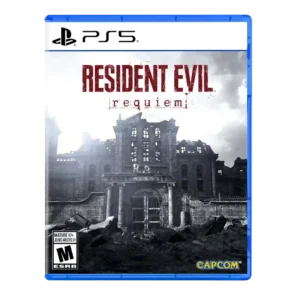
Checkpointing drew criticism from one reviewer who reported being set back 30 minutes after dying.
Pros: pacing, combat system
Cons: originality

Frequent autosaves can soften failure, yet distant or poorly placed checkpoints make repeated climbing and stealth deaths more aggravating.
Pros: narrative quality, graphics quality
Cons: movement feel, stealth mechanics
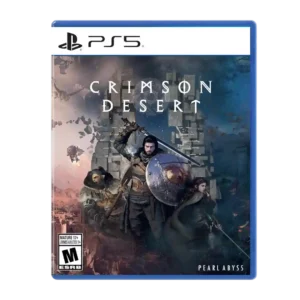
Reviewer evidence is negative or mixed: checkpoint system was often criticized, even where some reviewers found redeeming moments across 1 review(s).
Pros: combat system, graphics quality
Cons: controls responsiveness, narrative quality

One returning player specifically misses the first game's checkpoint-style dungeon mechanics after the sequel's structural overhaul.
Pros: core gameplay loop, difficulty balance
Cons: narrative quality, load times

Checkpointing is discussed only briefly, but one clear complaint describes it as brutal and ungenerous, making stealth mistakes more punishing.
Pros: horror tension, puzzle design
Cons: stealth mechanics, fun factor
Checkpoint placement is one of the clearest pain points. Sparse or distant respawns can turn boss and platforming failures into tedious runbacks, especially early in the game.
Pros: movement feel, originality
Cons: difficulty balance, combat system

Solo checkpointing can be unforgiving and awkward, making campaign setbacks more annoying than they need to be.
Pros: fun factor, multiplayer design
Cons: bug frequency, AI behavior

Sparse automatic checkpoints can make long puzzles costly to abandon or fail. Repeating already completed collection work is a particular frustration.
Pros: puzzle design, atmosphere
Cons: narrative quality, difficulty balance