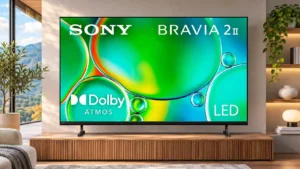
Old broadcasts, DVDs and compressed streams clean up surprisingly well while retaining faces and fine textures.
Pros: picture quality, overall satisfaction
Cons: sound quality, reliability

Old broadcasts, DVDs and compressed streams clean up surprisingly well while retaining faces and fine textures.
Pros: picture quality, overall satisfaction
Cons: sound quality, reliability
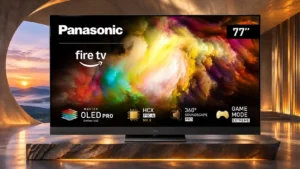
Older, lower-resolution programming remains sharp and watchable thanks to confident scaling.
Pros: overall satisfaction, picture quality
Cons: size options, value for money
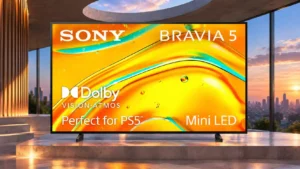
Low-bitrate streams, old shows and SD broadcasts become more watchable through Sony's cleanup without heavy artificial sharpening.
Pros: picture quality, black levels
Cons: HDR brightness, value for money
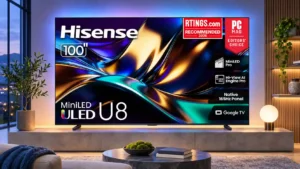
SD and HD television feeds become clearer without much artificial edge sharpening, although old 4:3 content retains its sidebars.
Pros: peak brightness, HDR brightness
Cons: sound quality, viewing angles

Lower-resolution material holds up better than expected, especially with the TV's processing enabled. Minor artifacts can appear, but they are usually described as small rather than distracting.
Pros: overall satisfaction, value for money
Cons: smart TV platform, blooming control

DVD, 720p and 1080p material is usually cleaned up impressively, though the TV cannot completely hide weak-source artifacts and some rivals extract a little more detail.
Pros: gaming performance, peak brightness
Cons: HDMI 2.1 support, HDMI 2.1 port count
Compressed, low-quality material is cleaned up effectively, with many artifacts removed and some detail preserved.
Pros: overall satisfaction, picture quality
Cons: Weight and handling, black levels

Lower-resolution input can still look respectable: an 800p Steam Deck feed was judged decent on the 27-inch screen. That makes casual handheld-console use more forgiving.
Pros: overall satisfaction, portability and versatility
Cons: value for money, menu responsiveness

Lower-resolution content is watchable but inconsistent; some reviewers praise the cleanup while others find older or low-bitrate sources visibly rough.
Pros: overall satisfaction, picture quality
Cons: reliability, build quality
Compression smoothing cleans up low-bitrate streams nicely, but images can appear waxy or soft at lower resolutions.
Pros: viewing angles, smart TV platform
Cons: overall satisfaction, refresh rate

Compressed video is smoothed competently, at the cost of a little fine texture. Poorly encoded sources remain more noticeable on very large screens.
Pros: peak brightness, overall satisfaction
Cons: value for money, shadow detail
Lower-quality broadcasts may preserve jagged edges, blocks, or softness; HD input fares much better than 480p material.
Pros: color accuracy, upscaling quality
Cons: picture quality, sound quality

Compressed streams and old video remain watchable, though noise cleanup trades away some fine texture.
Pros: picture quality, value for money
Cons: viewing angles, HDR performance
Older broadcasts and 720p sources remain watchable, especially when treated gently, but they are visibly softer than 1080p or native 4K.
Pros: picture quality, smart TV platform
Cons: value for money, refresh rate

Noise cleanup comes with detail loss.
Pros: Large-screen immersion, overall satisfaction
Cons: value for money, black levels
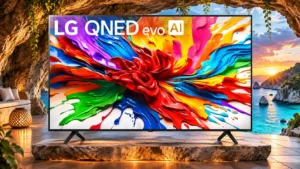
HD material often scales cleanly, but very rough standard-definition clips can look messy or blurry. One assessment also found disappointing noise in regular Blu-ray content.
Pros: gaming performance, overall satisfaction
Cons: sound quality, value for money
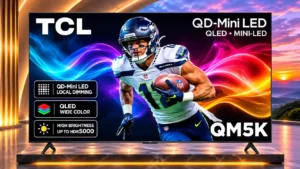
Compression smoothing is only fair. Heavily compressed streams and older broadcasts reveal soft textures and residual artifacts.
Pros: black levels, picture quality
Cons: HDR performance, blooming control

Old standard-definition video and poor cable feeds can look blurry, blocky or artificially smoothed despite the 4K processing label.
Pros: picture quality, 4K at 144 Hz support
Cons: sound quality, value for money
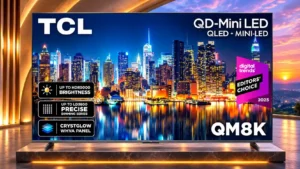
Older streams and compressed broadcasts usually remain watchable, with useful artifact smoothing; very poor sources still expose their limitations.
Pros: peak brightness, picture quality
Cons: HDMI 2.1 port count, reflection handling
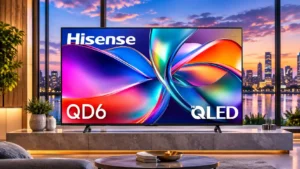
Compressed streams can retain blocking and posterization that the processor struggles to hide.
Pros: color accuracy, Picture detail
Cons: HDR performance, motion clarity