Best for HDR highlight detail
Samsung QN90F
5.0 attribute score
Highest scored product for this attribute based on supporting review evidence.

Highest scored product for this attribute based on supporting review evidence.
Balances the attribute score, supporting reviews, and overall product strength.
Has the broadest review evidence for this attribute.
Strongest overall product among items with scored evidence for this attribute.
Overall: 4.2/5
Bright skies, snow and specular highlights retain subtle texture rather than turning into featureless patches.
Pros: picture quality, glare resistance
Cons: value for money, bass performance
Overall: 3.8/5
Small bright objects can look vivid and lifelike, with punchy light and color preserved in well-mastered HDR content.
Pros: glare resistance, overall satisfaction
Cons: input lag, value for money
Overall: 3.9/5
Specular highlights leap out of darker scenes, adding sparkle and depth even if some extreme highlights can lose gradation.
Pros: value for money, overall satisfaction
Cons: Dolby Vision support, sound quality
Overall: 4.2/5
Bright reflections and other specular details are preserved with impressive intensity; tone mapping can keep subtle highlights visible alongside dark scenes.
Pros: picture quality, overall satisfaction
Cons: design and appearance, Dolby Vision support
Overall: 3.7/5
Bright objects stand out cleanly against dark backdrops, often retaining fine detail. The most aggressive presets can clip or overstate highlights.
Pros: color volume, overall satisfaction
Cons: value for money, color accuracy
Overall: 4.1/5
Bright details are usually preserved impressively, although one assessment noted some loss at the very brightest levels.
Pros: black levels, contrast ratio
Cons: Dolby Vision support, stutter handling
Overall: 3.0/5
Tone mapping can preserve a measure of highlight detail beyond the panel's peak capability, though the panel itself cannot make highlights very bright.
Pros: color gamut, smart TV platform
Cons: value for money, overall satisfaction
Overall: 4.0/5
Most specular effects look vivid, but aggressive brightness roll-off can trade away fine gradation in the brightest areas.
Pros: reflection handling, overall satisfaction
Cons: Dolby Vision support, bass performance
Overall: 4.0/5
The TV can preserve bright effects with careful tone mapping, but overly bright skin highlights and demanding HDR masters sometimes lose subtle detail.
Pros: black levels, picture quality
Cons: glare resistance, reflection handling
Overall: 3.8/5
Common HDR scenes retain useful bright detail, but tiny specular highlights and very high-mastered material can clip or lack punch.
Pros: picture quality, contrast ratio
Cons: blooming control, glare resistance
Overall: 3.1/5
Gradual tone mapping retains some bright detail, but other testing still finds detail loss in the most intense highlights.
Pros: picture quality, overall satisfaction
Cons: sound quality, black levels

Overall: 3.5/5
Gradual highlight roll-off protects fine gradation, but it also limits just how bright those highlights can appear.
Pros: art display mode, design and appearance
Cons: overall satisfaction, HDMI port accessibility
Overall: 3.8/5
Some mastered HDR highlights clip sharply rather than rolling off smoothly, limiting subtle gradation.
Pros: Wireless One Connect compatibility, art display mode
Cons: value for money, input lag
Overall: 3.8/5
Tiny bright points can be subdued by dimming, and some bright tones lose fine detail.
Pros: overall satisfaction, color gamut
Cons: value for money, local dimming performance
Overall: 2.7/5
The television cannot give highlights much punch, although one comparison found its highlight handling more controlled than a rival's.
Pros: white balance accuracy, design and appearance
Cons: overall satisfaction, value for money
Overall: 3.8/5
Small bright highlights often lack the pop expected of Mini LED, although AI enhancement can improve the perceived impact.
Pros: picture quality, 4K at 144 Hz support
Cons: sound quality, value for money
Overall: 3.8/5
Small specular details tend to blend into their surroundings, while the brightest areas lose fine texture.
Pros: cable management, design and appearance
Cons: value for money, Dolby Vision support
Overall: 3.3/5
Bright HDR highlights may lose subtle shading or simply lack enough luminance to stand out.
Pros: color accuracy, upscaling quality
Cons: picture quality, sound quality
Overall: 3.1/5
Some bright HDR areas clip or merge together, hiding texture that better televisions preserve.
Pros: gaming performance, color accuracy
Cons: value for money, overall satisfaction
Overall: 3.0/5
Bright accents often fail to pop and sometimes lose detail entirely. HDR highlight reproduction is a recurring weakness.
Pros: picture quality, smart TV platform
Cons: value for money, refresh rate
Overall: 2.6/5
Specular highlights stay flat and fail to stand out from the surrounding image.
Pros: sound quality, picture quality
Cons: value for money, local dimming performance
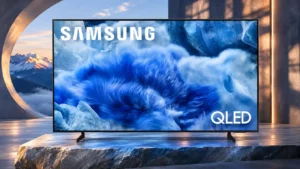
Overall: 3.3/5
Bright HDR elements lose fine detail because the screen cannot sustain adequate highlight intensity.
Pros: overall satisfaction, picture quality
Cons: reliability, remote control quality