Best for mesh coverage
D-Link Aquila Pro AI R95
5.0 attribute score
Highest scored product for this attribute based on supporting review evidence.

Highest scored product for this attribute based on supporting review evidence.
Balances the attribute score, supporting reviews, and overall product strength.
Has the broadest review evidence for this attribute.
Strongest overall product among items with scored evidence for this attribute.

Overall: 4.8/5
Adding compatible units is intended to create comprehensive coverage with no dead spots.
Pros: Wi-Fi 7 support, Wi-Fi speed
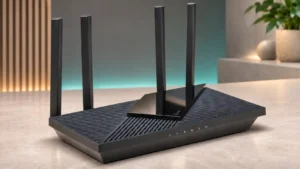
Overall: 4.0/5
Adding a compatible extender can dramatically improve speeds in a formerly weak bedroom.
Pros: value for money, parental controls
Cons: subscription requirements, multi-gig Ethernet support
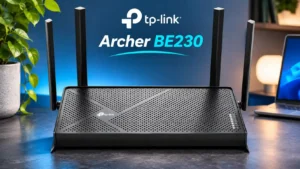
Overall: 4.1/5
Compatible extenders can fill weak spots and create a unified network across the home.
Pros: value for money, Wi-Fi speed
Cons: 6 GHz performance, subscription requirements
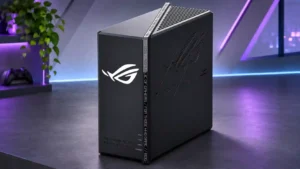
Overall: 4.3/5
Adding compatible AiMesh nodes is a practical way to extend coverage in larger homes and apartments.
Pros: Wi-Fi speed, Ethernet port count
Cons: 10 GbE support, WAN port speed
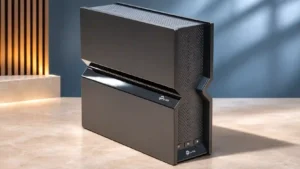
Overall: 4.3/5
Adding compatible units can extend coverage effectively; a two-router test was especially positive.
Pros: value for money, Wi-Fi speed
Cons: subscription requirements, WAN port speed
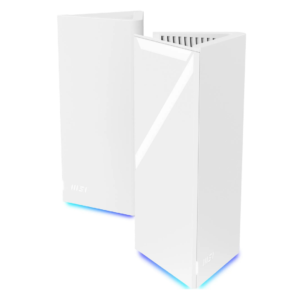
Overall: 4.3/5
Coverage results varied sharply by home: some reviewers achieved excellent whole-house performance, while others found the two-node kit weak at far range.
Pros: value for money, design and appearance
Cons: node pairing ease, outdoor coverage
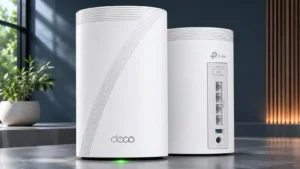
Overall: 4.2/5
Mesh coverage is a strong selling point, especially with three well-positioned nodes. Two nodes may struggle in large or difficult floor plans.
Pros: value for money, Wi-Fi speed
Cons: subscription requirements, long-range speed
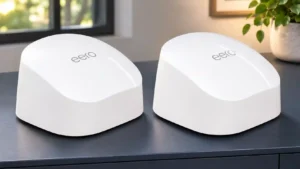
Overall: 3.7/5
Additional nodes can extend useful coverage, although some standalone competitors reach just as far as a small mesh kit.
Pros: setup ease, value for money
Cons: Ethernet port count, Wi-Fi speed