Best for device capacity
MSI Roamii BE Pro
5.0 attribute score
Highest scored product for this attribute based on supporting review evidence.

Highest scored product for this attribute based on supporting review evidence.
Balances the attribute score, supporting reviews, and overall product strength.
Has the broadest review evidence for this attribute.
Strongest overall product among items with scored evidence for this attribute.
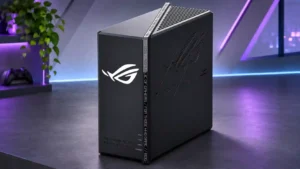
Overall: 4.3/5
One household reported reliable operation with roughly 33 to 60 connected devices.
Pros: Wi-Fi speed, Ethernet port count
Cons: 10 GbE support, WAN port speed
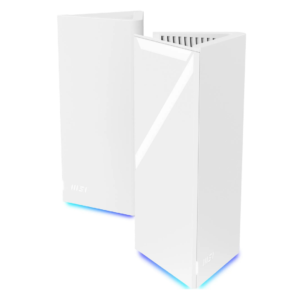
Overall: 4.3/5
The system is positioned well for smart homes with many connected devices and substantial simultaneous traffic.
Pros: value for money, design and appearance
Cons: node pairing ease, outdoor coverage

Overall: 4.8/5
The router is built for device-heavy homes; reviewers praised its ability to handle demanding users, though that capacity can be excessive for a small flat.
Pros: Wi-Fi 7 support, Wi-Fi speed
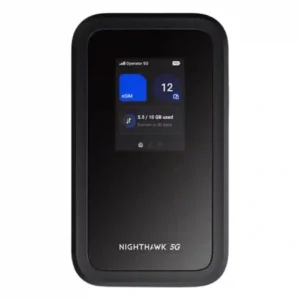
Overall: 4.1/5
The 32-device ceiling is more than marketing for typical travel use; testing with large client counts showed the hotspot can handle busy groups.
Pros: eSIM flexibility, cellular connectivity
Cons: interface responsiveness, Ethernet port count

Overall: 4.1/5
The router is designed for demanding households, and one test with around 80 connected devices ran without drops.
Pros: wireless performance, Wi-Fi speed
Cons: value for money, size and footprint

Overall: 4.2/5
The stated 200-client capacity is appealing for heavily connected homes, with strong results in smaller simultaneous-client tests.
Pros: value for money, Wi-Fi speed
Cons: subscription requirements, long-range speed
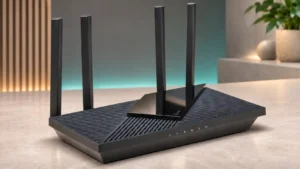
Overall: 4.0/5
Dozens of devices can connect successfully, making capacity a useful strength for ordinary households.
Pros: value for money, parental controls
Cons: subscription requirements, multi-gig Ethernet support

Overall: 4.5/5
Claimed client capacity is high and normal family/work loads are handled comfortably. A heavier 16-user synthetic-style test exposed connection issues, so practical capacity depends on workload rather than count alone.
Pros: VPN client support, value for money
Cons: 6 GHz performance, USB storage sharing
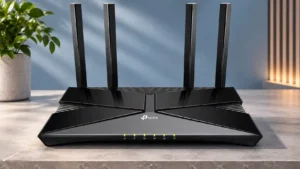
Overall: 3.7/5
The router can handle a typical collection of home devices, but is not intended for exceptionally device-heavy networks.
Pros: Overall satisfaction, value for money
Cons: USB port support, 160 MHz support

Overall: 4.3/5
Dozens of devices can be handled in some installations, but an owner reported a recurring limit on connections per band.
Pros: value for money, Wi-Fi speed
Cons: subscription requirements, WAN port speed
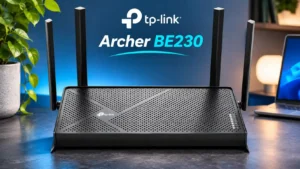
Overall: 4.1/5
A typical household is comfortably within its capabilities, but many bandwidth-hungry devices or a dense smart home can overwhelm it.
Pros: value for money, Wi-Fi speed
Cons: 6 GHz performance, subscription requirements