Best for save system reliability
Tales of Berseria Remastered
5.0 attribute score
Highest scored product for this attribute based on supporting review evidence.

Highest scored product for this attribute based on supporting review evidence.
Balances the attribute score, supporting reviews, and overall product strength.
Has the broadest review evidence for this attribute.
Strongest overall product among items with scored evidence for this attribute.

Autosave is a welcome modern convenience that reduces the risk of lost progress and makes the long RPG easier to play casually.
Pros: narrative quality, combat system
Cons: remake/remaster quality, value for money
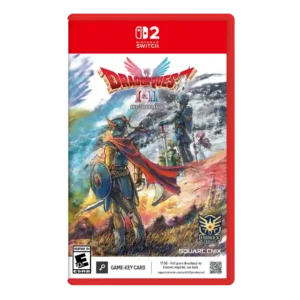
Autosave and expanded save options were repeatedly praised for reducing frustration and supporting portable play.
Pros: remake/remaster quality, combat system
Cons: difficulty balance, grind level

Save reliability gets strong evidence from one reviewer whose mid-run progress survived a power outage.
Pros: combat system, character roster
Cons: narrative quality, learning curve
Mid-stage recording and exact resume points make lengthy battles much easier to fit around real-world interruptions.
Pros: remake/remaster quality, graphics quality
Cons: difficulty balance, voice acting
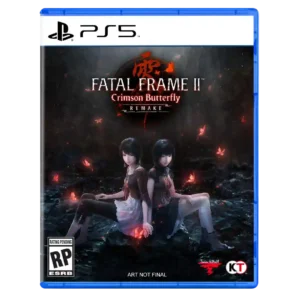
Reliable autosaves pair well with generous checkpoints, making progress feel secure even when combat suddenly turns punishing.
Pros: remake/remaster quality, horror tension
Cons: combat system, frame rate stability

Save-anywhere support is a welcome fit for an unforgiving old-school shooter and makes experimentation less punishing.
Pros: remake/remaster quality, overall quality
Cons: level design, map and navigation design

Save reliability is praised because frequent saving prevents meaningful progress loss after crashes.
Pros: combat system, boss design
Cons: narrative quality, difficulty balance

Deaths return the player to a recent tent without meaningful progress loss, which reviewers say encourages experimentation and exploration.
Pros: difficulty balance, boss design
Cons: innovation, sandbox freedom

Autosave was praised as frequent and almost constant, supporting the short pick-up-and-play structure.
Pros: co-op experience, puzzle design
Cons: controls responsiveness, replay value

Autosave is one of the most consistently appreciated additions, reducing the risk of lost progress and making long stretches between manual saves far less stressful.
Pros: combat system, remake/remaster quality
Cons: animation quality, environmental detail
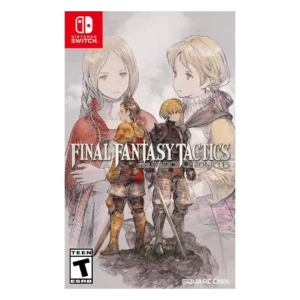
Save and checkpoint reliability improved through autosave, battle restart, fallback options, and reduced soft-lock risk.
Pros: remake/remaster quality, voice acting
Cons: content variety, camera behavior
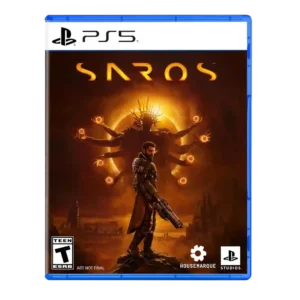
Save/run continuation quality was praised via suspend, leave-and-return, and day-one roguelite quality-of-life comments.
Pros: narrative quality, combat system
Cons: side character depth, dialogue quality

Preserving puzzle positions and action history makes it easy to resume after exploring elsewhere. Positive accounts find this continuity reassuring.
Pros: overall quality, puzzle design
Cons: narrative quality, difficulty balance
Autosaving helps preserve progress when a bug forces a restart or a save reload, keeping those setbacks manageable.
Pros: puzzle design, social features
Cons: enemy variety, polish

Keeping discoveries after leaving a mission makes cleanup and repeated exploration considerably more convenient.
Pros: gameplay mechanics, originality
Cons: overall quality, combat system

Save transfer is handled smoothly, allowing prior progress to carry into the Switch 2 edition without friction.
Pros: fun factor, multiplayer design
Cons: matchmaking quality, map and navigation design
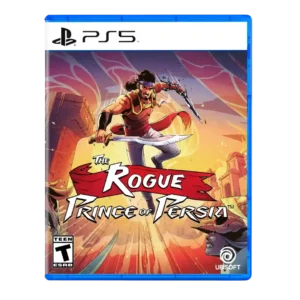
Save reliability was positive where local saves and permanent blueprint saving were noted as dependable.
Pros: combat system, movement feel
Cons: narrative quality, difficulty balance

Coin-operated payphones give saving a fitting role in the mystery and force decisions about spending. Changing conversations and occasional free saves help, but limited saves are a personal sticking point...
Pros: overall quality, atmosphere
Cons: boss design, movement feel

Generous autosaves help recovery, one player welcomes fixes to earlier save problems, and cloud saving earns praise. Save quality is assessed separately from the bugs that may require a reload.
Pros: overall quality, level design
Cons: innovation, mission design
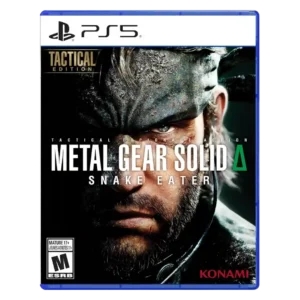
Save reliability is improved by autosaves and fewer rank-run annoyances, helping reduce frustration after mistakes.
Pros: remake/remaster quality, graphics quality
Cons: performance optimization, frame rate stability
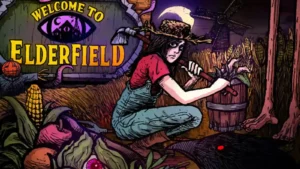
Being able to save without ending the day is a major convenience, but saves generally require returning home or to bed. That makes long expeditions more tense and less friendly...
Pros: combat system, difficulty balance
Cons: progression system, bug frequency

Frequent autosaves and manual saving are reassuring in some accounts, although another reviewer still criticized the game's save behavior as punishing.
Pros: town-building system, exploration quality
Cons: grind level, fast travel convenience
Frequent save points make it easy to stop without losing progress, though a temporary PlayStation save scare required a restart.
Pros: combat system, soundtrack quality
Cons: narrative quality, exploration quality
Save reliability was positively tied to safe rooms by one review, which found reaching one felt like a victory.
Pros: combat system, narrative quality
Cons: boss design, puzzle design

The phone-based save concept is immersive and memorable, though returning to save points can feel laborious. Reviewers who enjoy the period-tech ritual tend to accept the slower process.
Pros: horror tension, puzzle design
Cons: stealth mechanics, fun factor
Save reliability received positive evidence from autosave preventing too much lost progress despite crashes.
Pros: narrative quality, combat system
Cons: onboarding experience, pacing
Frequent autosaves, quick saves, and multiple files can reduce the pain of bugs and experimentation. Reliability is still undermined when glitches force reloads or long sessions lose progress.
Pros: graphics quality, progression system
Cons: combat system, bug frequency

Flexible manual saving and end-of-day saves suit interrupted sessions. One player reports losing a save, making the otherwise positive saving impressions less uniform.
Pros: overall quality, shopkeeping system
Cons: performance optimization, pacing
Frequent autosaves and manual saving usually limit the damage from technical problems, though at least one crash caused significant lost progress after a difficult boss.
Pros: combat system, fun factor
Cons: content variety, polish

Saving is mixed: save-anywhere is praised, while the single save slot is criticized.
Pros: core gameplay loop, narrative quality
Cons: crafting system, multiplayer design
Autosave can effectively protect progress when a glitch occurs, though one earlier build reportedly had a save-file problem that was later fixed.
Pros: game length, gameplay mechanics
Cons: innovation, difficulty balance

Save reliability is split: one review praises frequent saves, while another reports the serious problem of a save being wiped twice.
Pros: combat system, faithfulness to franchise
Cons: narrative quality, frame rate stability
Autosaving is generally dependable, but some reload points still force players to repeat frustrating sections.
Pros: narrative quality, graphics quality
Cons: movement feel, stealth mechanics
Save reliability is mixed by version: some launch accounts describe cloud-save, checkpoint, or resume problems, while later builds preserve progress much more reliably.
Pros: fun factor, originality
Cons: stealth mechanics, combat system

Save reliability was mixed: one reviewer lost progress due to daily saves and crashes, while another appreciated nightly/location auto-saves.
Pros: narrative quality, replay value
Cons: difficulty balance, pacing

Save reliability was a concern for at least one reviewer who needed more careful saving because of bugs.
Pros: combat system, narrative quality
Cons: difficulty balance, enemy variety

Save reliability is mixed because the save function works, but one reviewer wished it returned exactly to the saved moment.
Pros: content variety, value for money
Cons: cross-play support, competitive balance
Autosaves were credited with preventing most lost progress during a crash-prone playthrough, making the save system a useful safety net.
Pros: fun factor, combat system
Cons: pacing, battle mode quality

The save system was one of the most divisive topics, praised by one reviewer but criticized by many as stingy or punishing.
Pros: combat system, narrative quality
Cons: save system reliability, learning curve

Autosaves can be generous and protective, but some players still encountered save-related or progression problems that make manual saving feel important.
Pros: narrative quality, side character depth
Cons: combat system, polish

Save reliability was mixed, with one review emphasizing saving regularly and another reporting forgotten progress after a reload.
Pros: narrative quality, voice acting
Cons: bug frequency, menu usability

Progress saving raises few concerns and generally stays out of the cooperative experience's way.
Pros: fun factor, puzzle design
Cons: difficulty balance, narrative quality

Saving at bivouacs makes progress meaningful, but losing 15–30 minutes after a fall can feel punishing. Optional autosaves and assists help players who want a more forgiving structure.
Pros: narrative quality, emotional impact
Cons: difficulty balance, gameplay mechanics
Between-level saving can make long runs manageable, but crashes and progress-loss bugs create serious reliability concerns. Save-and-quit flexibility also varies by situation.
Pros: value for money, combat system
Cons: camera behavior, content variety
One account describes falling from a ledge after quickloading a crouched save. Another dislikes the described death-related rollback rules, which is a concern about punishment rather than proof of corrupted...
Pros: overall quality, art direction
Cons: map and navigation design, difficulty balance

Saving itself is dependable, but one reviewer disliked the roughly thirteen manual slots and wanted enough room to preserve more chapter-by-chapter saves.
Pros: narrative quality, combat system
Cons: onboarding experience, difficulty balance
Save protection received focused post-launch fixes, improving one of the launch-era reliability concerns on Xbox.
Pros: open-world design, fun factor
Cons: AI behavior, polish

Sleep-mode behavior can force online players back to the title screen and create an unpleasant risk of losing recent progress when stepping away.
Pros: performance optimization, frame rate stability
Cons: controller ergonomics, platform-specific feature support
Save reliability is a concern in one review because a crash cost around half an hour of progress.
Pros: narrative quality, atmosphere
Cons: puzzle design, fun factor
Autosaves were a repeated weakness, with reviewers citing unclear save timing, progress loss, and unreliable checkpoint behavior.
Pros: puzzle design, atmosphere
Cons: horror tension, crash stability