If you want better bug frequency
Choose Resident Evil Requiem. It scores 5.0 vs 2.2 for bug frequency, with a 4.4 overall score.

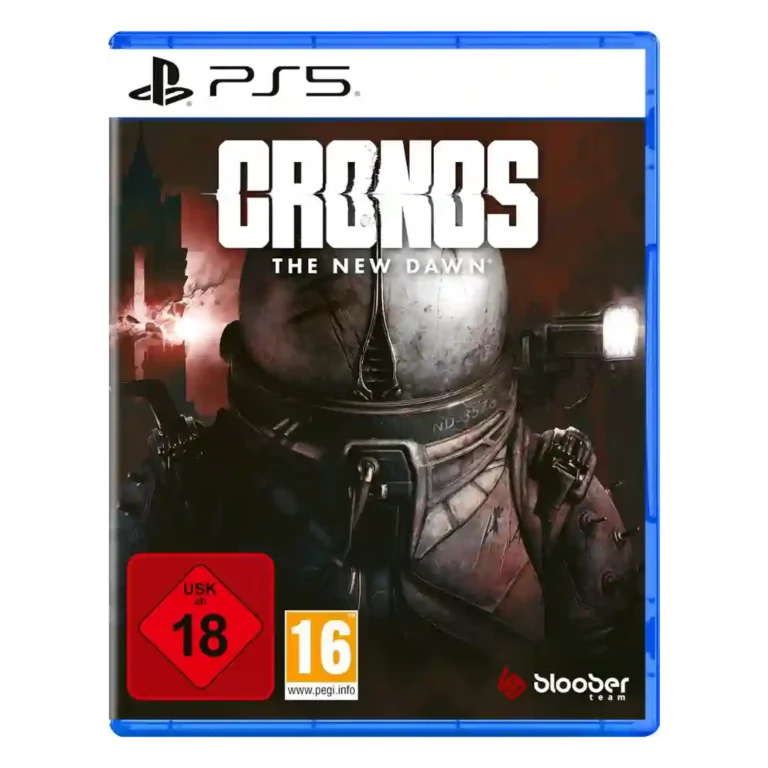
Choose Cronos for oppressive atmosphere, scarce-resource survival, and strong sci-fi horror world-building. Skip it if clunky combat, difficulty spikes, technical rough edges, or slow pacing ruin horror for you.
Best for survival-horror fans who enjoy oppressive atmosphere, scarce resources, methodical combat, lore-driven storytelling, and careful inventory decisions. It particularly suits players who like Dead Space-style sci-fi body horror but want a stranger Polish setting.
Not for players who need adjustable difficulty, fast movement, forgiving checkpoints, or frictionless action. It is also a poor fit if repeated resource stress, derivative genre beats, or technical jank quickly become dealbreakers.
Cronos: The New Dawn earns its strongest praise as an oppressive survival-horror experience built around atmosphere, sound, scarce resources, and a striking Polish sci-fi setting. Reviewers repeatedly admired its environmental detail, art direction, world-building, and tense economy of bullets, fuel, crafting, and upgrades. The tradeoff is that the same design can become abrasive: combat is deliberately heavy and resource-starved, boss encounters vary from thrilling to tedious, and several reviews mention bugs, frame dips, checkpoint frustration, or padded pacing. Its story and writing land best for players who enjoy piecing together lore from notes, logs, and ambiguity, but some found the execution emotionally distant or overly derivative.
Compared with other Video Games, this product is above average in economy and resource balance, core gameplay loop, narrative quality, near average in combat system, boss design, below average in checkpoint system, animation quality, immersion.
| Attribute | This product | Category average | Difference |
|---|---|---|---|
| checkpoint system | 1.8 | 3.5 | -1.8 |
| animation quality | 2.5 | 4.0 | -1.5 |
| economy and resource balance | 4.0 | 3.1 | +0.9 |
| core gameplay loop | 5.0 | 3.9 | +1.1 |
| immersion | 3.0 | 4.1 | -1.1 |
| narrative quality | 4.2 | 3.6 | +0.6 |
| protagonist appeal | 2.8 | 3.7 | -0.9 |
| sound design | 5.0 | 4.2 | +0.8 |
Choose Resident Evil Requiem. It scores 5.0 vs 2.2 for bug frequency, with a 4.4 overall score.
Choose Pragmata. It scores 5.0 vs 3.1 for user interface design, with a 4.3 overall score.
Choose Fatal Frame II: Crimson Butterfly Remake. It scores 5.0 vs 1.8 for checkpoint system, with a 3.8 overall score.
Choose Hollow Knight: Silksong. It scores 5.0 vs 2.5 for animation quality, with a 4.3 overall score.
Products reviewers directly compared with this model, grouped into quick takeaways.
Most reviewers found it tense, oppressive, and atmospheric, especially because of sound design and scarce resources. A few said it was not as frightening as they hoped, so the fear lands more as dread than constant shock.
Reviewers consistently describe it as demanding. Limited ammo, healing, inventory space, and tough Orphan encounters make it rewarding for survival-horror players but frustrating for those who dislike punishing fights.
Combat is divisive. Many reviewers liked the strategic pressure of charged shots, burning corpses, and resource management, while others found it clunky, one-note, or frustrating during bosses and arena fights.
The story earned a mostly positive response for its mystery, time travel, world-building, and lore breadcrumbs. Some reviewers criticized its slow start, emotional distance, proper-noun overload, or late-game ambiguity.
Visual identity, environmental detail, soundtrack, and especially sound design were among the most praised parts of the game. Reviewers highlighted brutalist spaces, body horror, synth music, and unsettling directional audio.
Several reviews reported stutters, frame drops, animation issues, terrain sticking, bugged achievements, or cutscene problems. Other reviewers reported smooth performance, so the evidence varies by platform and build.
These are a few of the reviews included in our analysis.




Best for fluid traversal, rewarding exploration, striking art, and forgiving quality-of-life features. Skip it if you want deep combat, radical genre innovation, or consistently demanding bosses.
Pros: difficulty balance, boss design
Cons: innovation, sandbox freedom

Good if you want fast, tactical roguelite combat with huge progression depth, striking art, and standout music. Skip it if repetition, resource micromanagement, or a less emotionally satisfying sequel story...
Pros: combat system, progression system
Cons: originality

Good if you want a beautiful, demanding survival sandbox built around exploration, building, progression, and memorable co-op. Skip it if long resource runs, harsh death recovery, and deliberate pacing sound...
Pros: town-building system, exploration quality
Cons: grind level, fast travel convenience

Best for joyful destruction, dense exploration, and a charming DK-Pauline adventure. Skip it if camera quirks, frame-rate dips, easy bosses, or premium Switch 2 pricing are dealbreakers.
Pros: fun factor, world interactivity
Cons: frame rate stability, boss design