
Traversal is repeatedly described as fluid, snappy, smooth, and satisfying, with several reviewers calling it one of the best-feeling parts of the game.
Pros: difficulty balance, boss design
Cons: innovation, sandbox freedom

Traversal is repeatedly described as fluid, snappy, smooth, and satisfying, with several reviewers calling it one of the best-feeling parts of the game.
Pros: difficulty balance, boss design
Cons: innovation, sandbox freedom
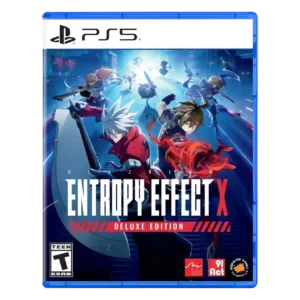
Movement feel is a strength, with reviewers praising speed, acrobatics, quick readability, and fluid movement.
Pros: combat system, character roster
Cons: narrative quality, learning curve
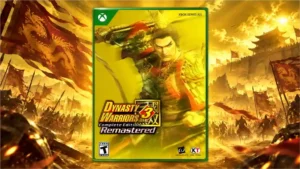
Dodging and faster horse travel make characters feel substantially more mobile without erasing the heavier classic combat rhythm.
Pros: remake/remaster quality, graphics quality
Cons: difficulty balance, voice acting
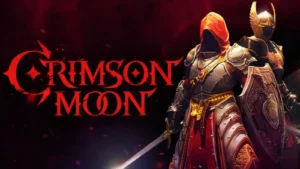
Movement feels immediately comfortable and responsive, helping the game’s familiar Soulslike fundamentals click quickly.
Pros: value for money, combat system
Cons: camera behavior, content variety
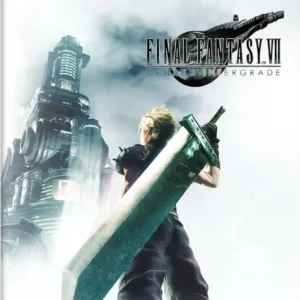
Movement and combat flow feel precise and responsive in handheld play.
Pros: combat system, graphics quality
Cons: pacing, accessibility options

Deep North traversal avoids artificial snow slowdown, making movement through the endgame biome feel more natural.
Pros: town-building system, exploration quality
Cons: grind level, fast travel convenience
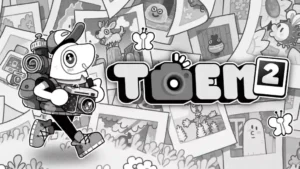
Jumping and climbing make the world freer, more vertical, and more enjoyable to traverse. Movement is generally described as smooth, light, and well matched to the exploratory pace.
Pros: game length, gameplay mechanics
Cons: innovation, difficulty balance
Traversal is one of the most improved areas: switching Monsties is seamless, riding feels fluid, and swimming, climbing, gliding, and other field actions make exploration more enjoyable.
Pros: combat system, narrative quality
Cons: difficulty balance, grind level
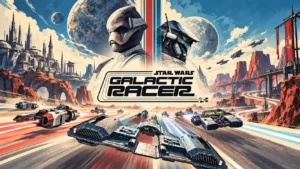
The sensation of barely controlled speed is a defining attraction, especially in fragile podracers. A few find some stretches less convincing or struggle to keep pace, but the overall response...
Pros: fun factor, overall quality
Cons: difficulty balance, pacing

Twining makes traversal one of the game’s pleasures, with quick, fluid transitions into creatures that can climb, swim, sprint, or fly.
Pros: fun factor, gameplay mechanics
Cons: monetization fairness, menu usability
Dashing, dodging, and general movement feel responsive and support an aggressive, fast-paced play style.
Pros: fun factor, progression system
Cons: difficulty balance, combat system
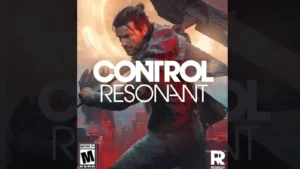
Traversal is one of the game's most consistently celebrated strengths. Double jumps, air dashes, hovering, grappling, and gravity shifting make moving through Manhattan fast, expressive, and frequently exhilarating.
Pros: combat system, narrative quality
Cons: boss design, map and navigation design

Wheel-based movement feel is strongly praised for feeling smooth, natural, and predictable.
Pros: graphics quality, driving mechanics
Cons: world interactivity, AI behavior
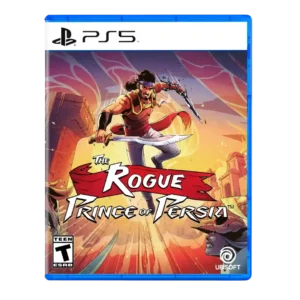
Movement was the strongest consensus highlight, repeatedly praised for fluid wall-running, parkour flow, and satisfying momentum.
Pros: combat system, movement feel
Cons: narrative quality, difficulty balance
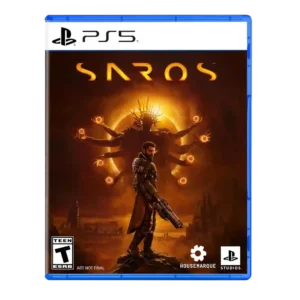
Movement feel was praised as smooth, nimble, precise, and joyful across several reviews.
Pros: narrative quality, combat system
Cons: side character depth, dialogue quality
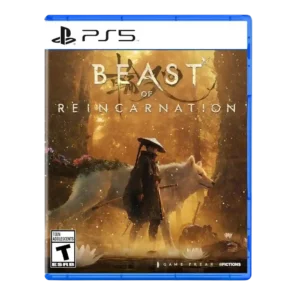
Emma moves quickly through large, vertical spaces using vine grapples, lifts, and player-made bridges. Traversal feels smooth, playful, and unusually free for this style of action RPG.
Pros: combat system, companion AI

Player movement is one of the strongest improvements, with more fluid control, curved runs, better off-ball motion, and more natural physicality. A few settings still feel heavy or mode-dependent.
Pros: gameplay mechanics, progression system
Cons: open-world design, AI behavior
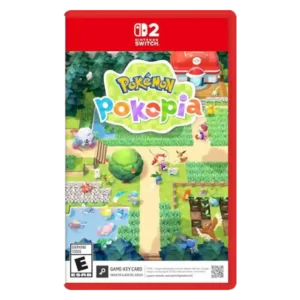
Movement feel was praised for making Pokémon feel unusually free, especially as abilities opened up traversal.
Pros: core gameplay loop, content variety
Cons: pacing, menu usability
Movement is generally fluid, purposeful, and well matched to the more grounded combat. Some miss the predecessor's freer parkour, but others prefer the tighter focus.
Pros: fun factor, core gameplay loop
Cons: difficulty balance, narrative quality

Movement is generally lighter, tighter, and more responsive than before, though one player wishes the dodge came out a little faster.
Pros: core gameplay loop, difficulty balance
Cons: narrative quality, load times
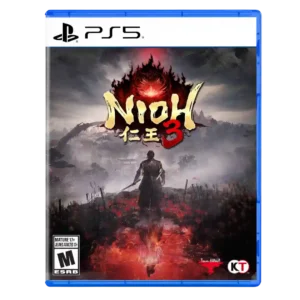
Movement earned praise for mobility and flow, especially through Ninja style and the broader feel of moment-to-moment action.
Pros: combat system, open-world design
Cons: narrative quality, performance optimization

Free 360-degree movement makes traversal feel smoother and less restrictive than the original mobile game’s lane-based movement.
Pros: combat system, fun factor
Cons: difficulty balance, pacing
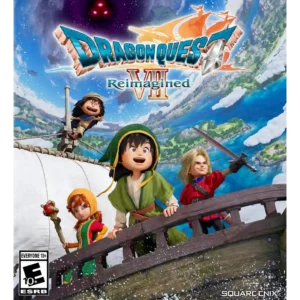
Traversal feels smooth and unencumbered, helping the smaller diorama spaces stay pleasant to move through.
Pros: combat system, accessibility options
Cons: pacing, difficulty balance

One reviewer finds the Switch 2 controls responsive enough that traversal and combat movement still feel dependable during demanding play.
Pros: performance optimization, frame rate stability
Cons: controller ergonomics, platform-specific feature support
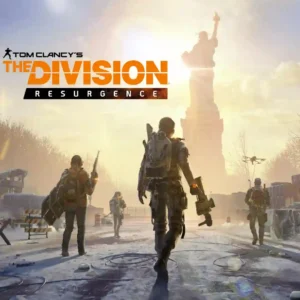
Movement is smooth, fast, and well suited to cover-based combat.
Pros: content variety, controls responsiveness
Cons: narrative quality, menu usability
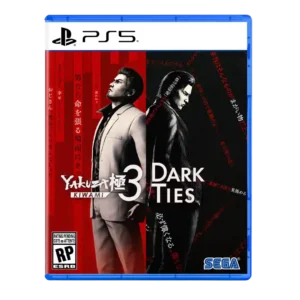
Kiryu’s movement is described as noticeably more fluid than in the older version, helping the faster combat feel more modern.
Pros: fun factor, combat system
Cons: pacing, battle mode quality
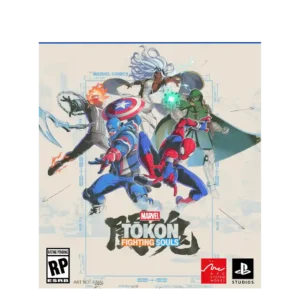
Movement and tagging feel more energetic in later impressions, with reviewers praising faster play, better mobility, and more satisfying swaps.
Pros: fun factor, character roster
Cons: tutorial quality, competitive balance
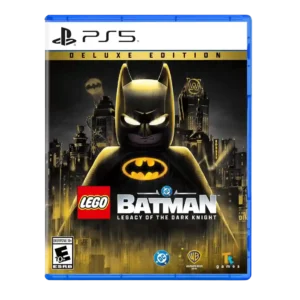
Movement is viewed positively, especially for its snappy feel during exploration and free roaming.
Pros: combat system, exploration quality
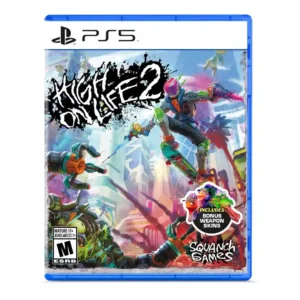
Skateboarding is the standout improvement: fast, fluid, and satisfying in open spaces. Some reviewers still hit jank, sluggish speed, or clumsy behavior in tighter areas.
Pros: writing quality, fun factor
Cons: bug frequency, combat system
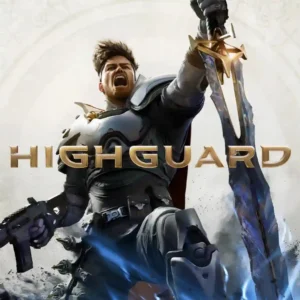
Movement is a standout strength. Sliding, traversal, ziplines, and instant mounts make crossing the battlefield fast and fluid.
Pros: fun factor, combat system
Cons: originality, battle mode quality

The bicycle and other traversal tools make getting around much more pleasant, though the distance between home and farm can still feel inconvenient before travel options open up.
Pros: combat system, difficulty balance
Cons: progression system, bug frequency
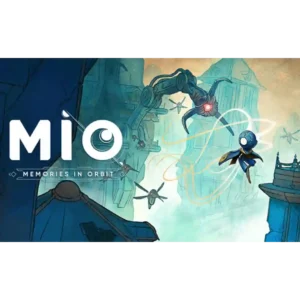
Mio’s jumping, gliding, wall-crawling, dodging, and momentum-driven traversal usually feel fluid and expressive. The main exception is the Hairpin/grapple, which several accounts found inconsistent or awkward under precision pressure.
Pros: movement feel, originality
Cons: difficulty balance, combat system
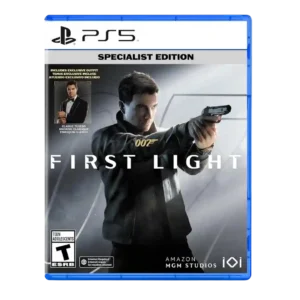
Movement is viewed positively because Bond appears more nimble, forward-moving, and adaptable than IO's slower Agent 47 template.
Pros: stealth mechanics, combat system
Cons: pacing
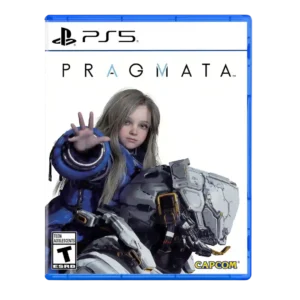
Movement feel is generally positive when discussing thrusters, dashing, and hover movement, though some platforming-specific momentum issues remain.
Pros: combat system, emotional impact
Cons: map and navigation design, platforming precision

Dashing, double-jumping, wall-running, gliding, and tail grappling create fast, fluid traversal that many consider a standout strength. A few late abilities feel gimmicky or underused.
Pros: fun factor, art direction
Cons: weapon balance, gameplay mechanics

Character movement is usually described as fluid, natural, and satisfying, helping rallies stay readable and responsive. A few control modes or effects can restrict movement, but standard play feels strong.
Pros: fun factor, gameplay mechanics
Cons: tutorial quality, onboarding experience

Movement drew strong praise for air dashes, team mobility, and unique character feel, with one review finding unboosted ground movement artificially slow.
Pros: fun factor, combat system
Cons: learning curve, competitive balance
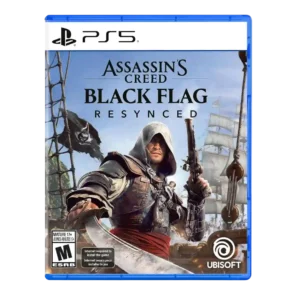
Movement and parkour drew broad praise for added flow and modern free-running, though some reviewers noticed slower pacing or momentum loss.
Pros: graphics quality, remake/remaster quality
Cons: DLC value, multiplayer design

Mario’s running, jumping, wall movement, and badge-assisted traversal still feel exceptionally fluid. The new movement options build on an already strong platforming foundation rather than replacing it.
Pros: fun factor, multiplayer design
Cons: matchmaking quality, map and navigation design

Charlie’s running and jumping can feel joyful and bouncy, but larger spaces expose the absence of a sprint or faster travel option.
Pros: fun factor, puzzle design
Cons: hint system, originality
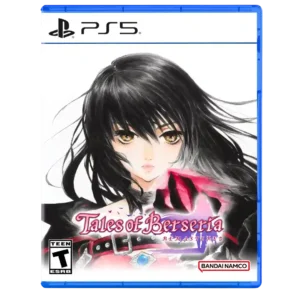
The 20% movement-speed boost is one of the most appreciated QoL changes, though some reviewers still find traversal floaty, sluggish, or detached from the world.
Pros: narrative quality, combat system
Cons: remake/remaster quality, value for money
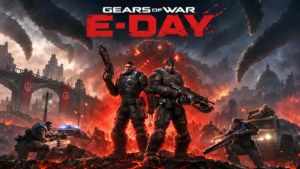
Sliding, vaulting, low cover, climbing, and the revised sprint make movement noticeably smoother and more flexible. Some longtime players are wary of losing familiar roadie-run and wall-bounce behavior, and a...
Pros: combat system, graphics quality
Cons: exploration quality, mission design
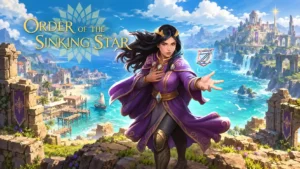
Clear movement and easy block manipulation are appreciated. Another account reports occasional unwanted nudges from character momentum.
Pros: overall quality, puzzle design
Cons: narrative quality, difficulty balance
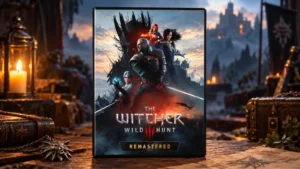
Geralt and Roach are markedly more responsive, making turns, stops and races less frustrating, although some floatiness and horse quirks persist.
Pros: graphics quality, value for money
Cons: performance optimization, frame rate stability

Movement is usually fast, fluid, and satisfying, especially once players learn the dash-and-swap rhythm. A few reviews report slippery hovering, sticky wall interactions, or awkward default speed choices.
Pros: replay value, difficulty balance
Cons: game length, boss design
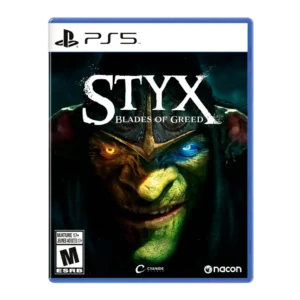
Traversal can feel fast and fluid once Styx opens up his toolkit, but a few players describe movement as loose or janky in precision-heavy moments.
Pros: fun factor, stealth mechanics
Cons: polish, combat system
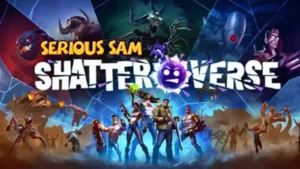
Movement is often praised for speed, dashing, jumping, and classic strafing, but some players find it slower than expected or dislike how dash-based mobility changes the old rhythm.
Pros: co-op experience, soundtrack quality
Cons: upgrade system, faithfulness to franchise
Movement and third-person play are improved over Oblivion and can feel responsive, but traversal is still basic and horses or first-person combat can feel awkward compared with newer games.
Pros: graphics quality, progression system
Cons: combat system, bug frequency
Movement can feel crisp and fast, but that same speed contributed to motion discomfort in at least one extended playthrough.
Pros: remake/remaster quality, overall quality
Cons: level design, map and navigation design
Jumping adds welcome freedom and aerial attacks to an already simple dodge-and-move system; depth perception and a limited dodge can complicate tighter encounters.
Pros: open-world design, graphics quality
Cons: narrative quality, endgame content