
Overall: 4.4/5
Movement is praised for fluidity, especially in combat flow and traversal compared with the predecessor.
Pros: combat system, narrative quality
Cons: grind level, innovation

Overall: 4.4/5
Movement is praised for fluidity, especially in combat flow and traversal compared with the predecessor.
Pros: combat system, narrative quality
Cons: grind level, innovation
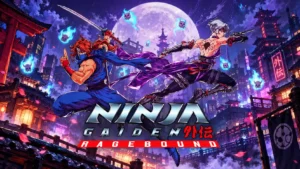
Overall: 4.4/5
Bouncing off enemies and projectiles, climbing walls, and chaining rolls into jumps deliver unusually fluid movement. A minority finds this freedom overpowered or less satisfying when timed teleporting interrupts the...
Pros: overall quality, difficulty balance
Cons: frame rate stability, performance optimization
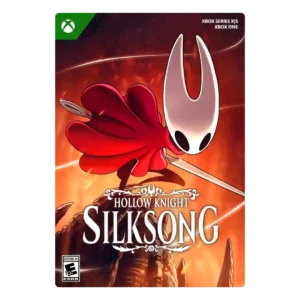
Overall: 4.3/5
Hornet’s movement is one of the clearest consensus wins, with reviewers praising her speed, agility, sprinting, and dance-like traversal.
Pros: difficulty balance, art direction
Cons: economy and resource balance, checkpoint system

Overall: 4.0/5
Movement improvements such as climbing, dodge rolling, and smoother traversal are viewed as major playability upgrades.
Pros: core gameplay loop, narrative quality
Cons: crafting system, multiplayer design
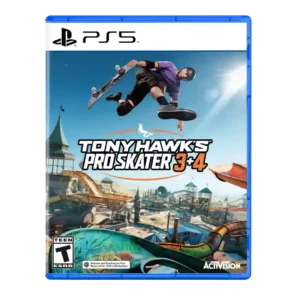
Overall: 3.9/5
Movement and skating feel earned very high marks, with reviewers praising physics, momentum, board control, and the joy of simply skating around.
Pros: level design, remake/remaster quality
Cons: soundtrack quality, mission design
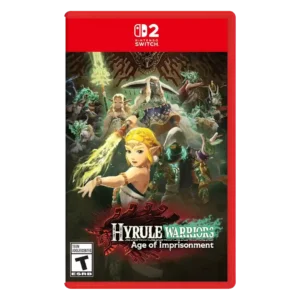
Overall: 4.1/5
Movement feel was positive where cited, especially improved locomotion and responsive control feel.
Pros: combat system, character roster
Cons: level design, mission design
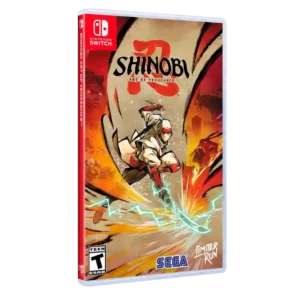
Overall: 4.4/5
Movement feel is heavily praised as fast, fluid, snappy, and fun, though one Switch review notes combat can feel slower than traversal.
Pros: combat system, faithfulness to franchise
Cons: narrative quality, frame rate stability
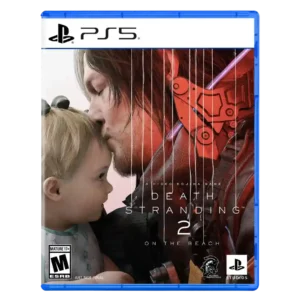
Overall: 4.3/5
Movement and hiking retain a distinctive physical weight that many reviewers loved, even when vehicles reduce how often players need to walk.
Pros: narrative quality, combat system
Cons: difficulty balance, weapon balance

Overall: 3.8/5
Traversal is a standout strength: wall-running, sliding, double jumping, dive-kicking, and grappling make Deadpool feel quick and acrobatic. Reviewers repeatedly praise how fluid and kinetic it feels.
Pros: combat system, voice acting
Cons: pacing, boss design
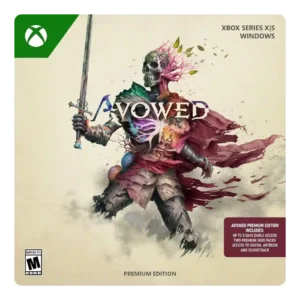
Overall: 3.7/5
Movement feel and parkour were strongly praised for making exploration fluid, vertical, and enjoyable.
Pros: combat system, narrative quality
Cons: difficulty balance, enemy variety
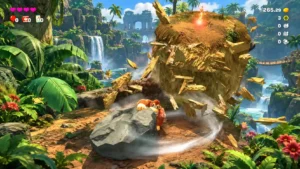
Overall: 4.4/5
Rolling, jumping, surfing, and climbing can flow into wonderfully expressive movement. Some encounters with corners and climbing surfaces feel less reliable.
Pros: overall quality, world interactivity
Cons: frame rate stability, boss design
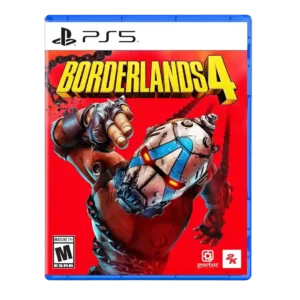
Overall: 3.6/5
Movement is widely praised as a major upgrade, with gliding, grappling, dashing, and vertical combat making fights and traversal feel faster and more dynamic.
Pros: movement feel, loot system
Cons: performance optimization, narrative quality
Overall: 3.8/5
Movement carries over well from Battlefield 6 and is frequently described as smooth, fluid, or satisfying. The slower tactical tempo still feels natural once players adjust.
Pros: fun factor, battle mode quality
Cons: multiplayer design, replay value
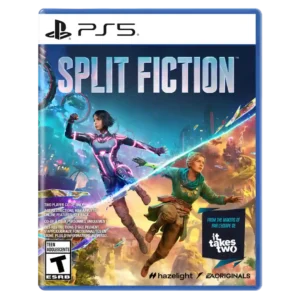
Overall: 4.2/5
Movement received strong praise for added weight, consistency, and approachability.
Pros: co-op experience, content variety
Cons: writing quality, narrative quality

Overall: 3.9/5
The added dash and faster traversal noticeably improve movement, making the older world quicker and more pleasant to navigate.
Pros: combat system, remake/remaster quality
Cons: animation quality, environmental detail
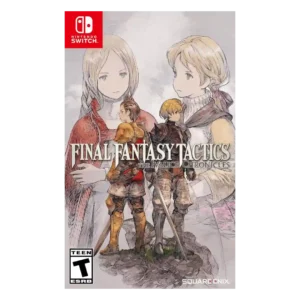
Overall: 4.3/5
Movement feel improved through movement resets and clearer positioning tools, reducing old frustrations.
Pros: remake/remaster quality, voice acting
Cons: content variety, camera behavior

Overall: 4.5/5
Dashing and sprinting feel smooth once the new rhythm clicks. Returning players may miss Zagreus's repeated dashes or find Melinoë less immediately slick.
Pros: overall quality, combat system
Cons: pacing, grind level

Overall: 4.3/5
Traversal and fighting are generally more fluid under the Dragon Engine, though 30fps versions can feel less smooth. Several reviewers still preferred the tighter, snappier feel over Yakuza 6.
Pros: narrative quality, combat system
Cons: onboarding experience, difficulty balance
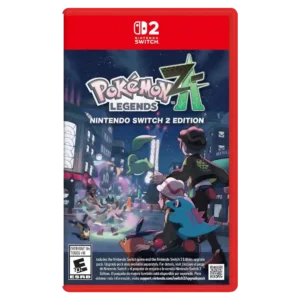
Overall: 3.5/5
Movement and traversal earned praise when tied to verticality, dodging, and rooftops, but weaker reactions appeared when platforming replaced broader travel options.
Pros: combat system, exploration quality
Cons: graphics quality, voice acting

Overall: 4.3/5
The automatic, high-speed movement impressed many reviewers once understood, though one reviewer felt events could happen faster than intent could catch up.
Pros: battle mode quality, content variety
Cons: learning curve, competitive balance

Overall: 4.1/5
Sidestepping and 3D positioning feel fluid and tactically important, giving matches a freer, more deliberate rhythm than many rivals.
Pros: remake/remaster quality, combat system
Cons: content variety, character customization
Overall: 4.3/5
Gliding, grappling, and later movement revisions make crossing the world enjoyable. Anchor restrictions, stamina demands, and limited travel options around a single home base remain qualifications.
Pros: town-building system, overall quality
Cons: grind level, AI behavior
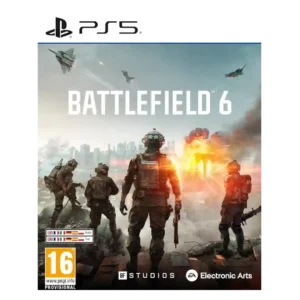
Overall: 3.4/5
movement was usually praised for speed and fluidity, though a few reviewers found it too arcade-like.
Pros: multiplayer design, sound design
Cons: narrative quality, map and navigation design
Overall: 3.1/5
Movement is one of the game's most consistent wins. Refined omnimovement and wall jumps add speed, vertical routes, and expressive plays, though a few competitive-focused sources find the movement too...
Pros: multiplayer design, level design
Cons: fun factor, narrative quality
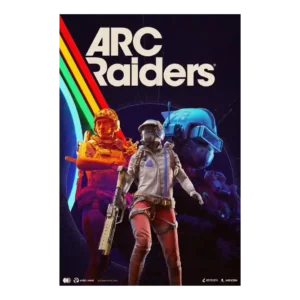
Overall: 4.1/5
Movement was usually praised as fun, grounded, or fluid, though one negative review found basic navigation ponderous.
Pros: sound design, combat system
Cons: voice acting, menu usability
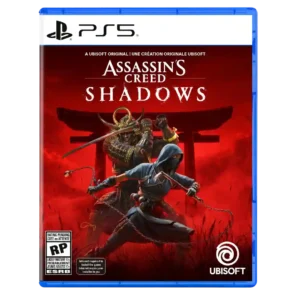
Overall: 3.7/5
Movement and parkour are often praised as stylish and satisfying, especially for Naoe, but some dodging and rolling criticism keeps the score from being unanimous.
Pros: stealth mechanics, graphics quality
Cons: narrative quality, mission variety
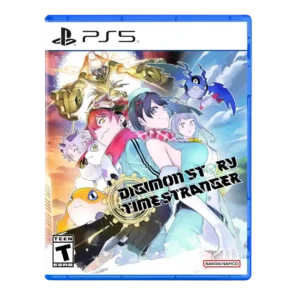
Overall: 3.9/5
Rideable Digimon were received as enjoyable traversal flavor, even if this was not a heavily discussed mechanic.
Pros: progression system, narrative quality
Cons: pacing, content variety

Overall: 3.6/5
Movement feel received limited but positive evidence, with one reviewer saying roaming and camera use usually felt good despite the game’s simplicity.
Pros: narrative quality, character development
Cons: pacing, gameplay mechanics
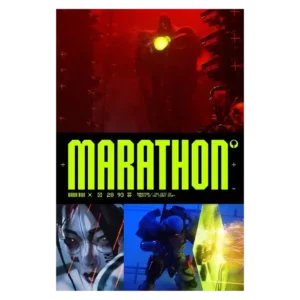
Overall: 3.8/5
Movement is generally fluid and expressive, with sprinting, sliding, grapples, jumps, and shell abilities creating tactical routes. Heat limits, fall damage, and occasional mantling friction can make it feel less...
Pros: fun factor, loot system
Cons: difficulty balance, quest design
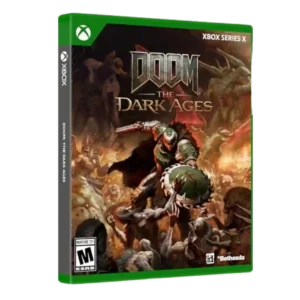
Overall: 3.8/5
Movement was divisive: several reviewers liked the heavy but mobile feel, while others missed the faster, more acrobatic style of earlier entries.
Pros: combat system, weapon balance
Cons: flying mechanics, narrative quality

Overall: 3.9/5
Movement is generally smoother through crouch-walking and modernized input, but some reviewers still felt prone movement and older limits remain cumbersome.
Pros: remake/remaster quality, graphics quality
Cons: performance optimization, frame rate stability
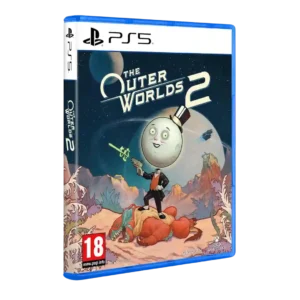
Overall: 3.9/5
Movement was usually considered improved and freer, helped by mobility options, though fall damage and melee sluggishness drew criticism.
Pros: combat system, progression system
Cons: pacing, AI behavior

Overall: 3.6/5
Movement additions raise the skill ceiling and feel flexible for many reviewers, but some found rail and wall routes slower or less worthwhile than expected.
Pros: content variety, soundtrack quality
Cons: open-world design, exploration quality
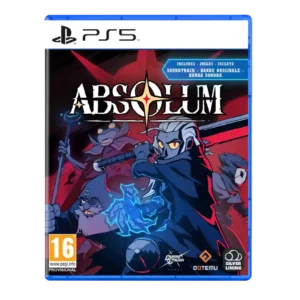
Overall: 4.3/5
Movement feel was split: some found it exceptionally fluid, while others struggled with 2.5D positioning and precision.
Pros: combat system, replay value
Cons: narrative quality, grind level
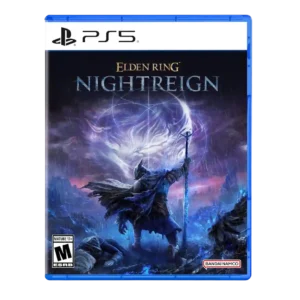
Overall: 3.4/5
Movement was praised for speed, parkour, and verticality, but some reviewers criticized traversal pressure and terrain-related deaths.
Pros: co-op experience, fun factor
Cons: difficulty balance, social features

Overall: 3.9/5
Traversal feel was praised when momentum clicked, though one review criticized limits on chaining airborne abilities.
Pros: soundtrack quality, narrative quality
Cons: combat system, enemy variety
Overall: 3.6/5
Movement feel was mixed: one reviewer still felt locked in sluggish animations, while another praised silky-smooth mount movement.
Pros: combat system, narrative quality
Cons: difficulty balance, endgame content
Overall: 4.0/5
Rolling a cuboid brick was often charming and fitting, but reviewers also noted odd cadence, clumsiness, and occasional frustration.
Pros: co-op experience, puzzle design
Cons: controls responsiveness, replay value
Overall: 4.3/5
Firing slows movement, a penalty some players accept and others dislike. Unclear collision feedback can also make evasive movement feel unreliable.
Pros: fun factor, upgrade system
Cons: user interface design, grind level
Overall: 3.6/5
Movement feel had limited mixed evidence, with one reviewer finding heart-rate traversal restrictions occasionally annoying but not enjoyment-breaking.
Pros: narrative quality, exploration quality
Cons: combat system, AI behavior
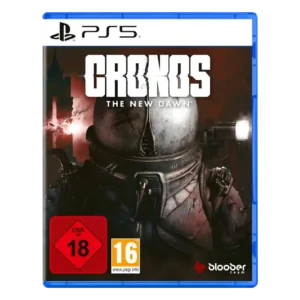
Overall: 3.9/5
Movement was intentionally heavy and divisive; some accepted the vulnerability it created, while others criticized slow, clunky traversal and the lack of quick evasive options.
Pros: combat system, narrative quality
Cons: boss design, puzzle design
Overall: 4.5/5
Movement divides opinion: one account finds it nimble and tight, while others describe sliding, floatiness, or clumsy traversal. Its limitations become most apparent during precise jumps.
Pros: narrative quality, combat system
Cons: map and navigation design, menu usability

Overall: 3.9/5
Movement was described as deliberately sluggish and gradual, fitting vulnerability but making navigation and fights feel heavy.
Pros: puzzle design, narrative quality
Cons: combat system, enemy variety

Overall: 4.3/5
Movement is mixed: several reviewers call some 3D fighters floaty, clunky, or awful to move, while others still find the resulting action fun.
Pros: content variety, value for money
Cons: cross-play support, competitive balance
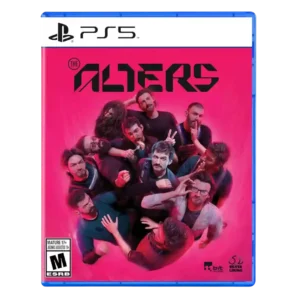
Overall: 4.2/5
Movement drew mixed-to-negative notes, with one reviewer calling traversal cumbersome and another saying Jan could feel awkward or get stuck.
Pros: narrative quality, replay value
Cons: difficulty balance, pacing
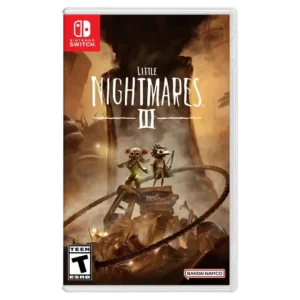
Overall: 2.8/5
Movement feel was mixed to negative: the umbrella added a small wrinkle, but mechanical clunkiness and sluggish movement remained common caveats.
Pros: atmosphere, faithfulness to franchise
Cons: puzzle design, co-op experience

Overall: 3.8/5
Movement feel receives isolated criticism from a reviewer who found the game clunky compared with faster fighters.
Pros: content variety, gameplay mechanics
Cons: learning curve, user interface design
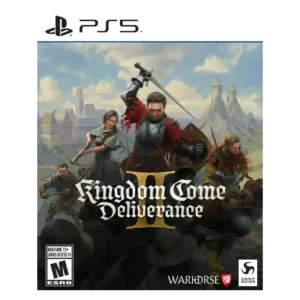
Overall: 4.3/5
One reviewer felt early traversal was unnecessarily taxing, especially before stronger equipment and better mobility options eased the burden.
Pros: combat system, narrative quality
Cons: save system reliability, learning curve
Overall: 3.6/5
Cover, ladders, stairs, curbs, and mantling are recurring trouble spots. Some enjoy the mobility, but unreliable collision and unexplained traversal restrictions frequently hinder escape or stealth.
Pros: overall quality, level design
Cons: innovation, mission design
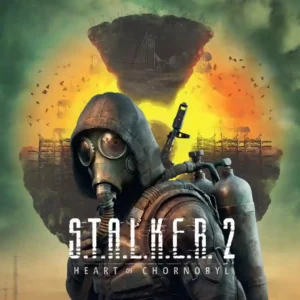
Overall: 3.6/5
Movement can feel heavy or sluggish when encumbrance, stamina, and awkward traversal pile up. Those constraints fit the survival tone but can make routine travel and climbing frustrating.
Pros: immersion, fun factor
Cons: bug frequency, AI behavior