The custom Felicia Bay map is dense, varied, and purpose-built for bus routes rather than feeling like a generic real-world recreation.
Pros: open-world design, fun factor
Cons: AI behavior, polish

The custom Felicia Bay map is dense, varied, and purpose-built for bus routes rather than feeling like a generic real-world recreation.
Pros: open-world design, fun factor
Cons: AI behavior, polish
The map is detailed and clearly marks the player’s location, making the villa easy to navigate despite repeated backtracking.
Pros: puzzle design, atmosphere
Cons: narrative quality, difficulty balance
The larger opening flyby improves orientation by showing the surrounding theater and giving players a clearer sense of where threats are located.
Pros: gameplay mechanics, fun factor
Cons: AI behavior, polish
Map and navigation design was praised as a useful tool for tracking rooms and missed resources.
Pros: pacing, combat system
Cons: originality
The large map is usually praised for strong markers, optional hints, collectible-location help, and clear layouts. A few reviewers still got lost or found the sheer scale occasionally overwhelming.
Pros: difficulty balance, boss design
Cons: innovation, sandbox freedom

Map and navigation design are praised for scale, density, GPS clarity, region variety, and highway complexity, with some criticism of traffic/road choices.
Pros: graphics quality, driving mechanics
Cons: world interactivity, AI behavior
Markers, lists, and hints make fragments and objectives far easier to track. The downside is aggressive handholding, especially where guidance cannot be fully disabled.
Pros: combat system, accessibility options
Cons: pacing, difficulty balance

The Island is substantially easier to get around thanks to clearer waypoints and improved layout. Universe setup tools also reduce the amount of manual navigation and configuration needed.
Pros: fun factor, gameplay mechanics
Cons: grind level, value for money
Reviewer evidence is strongly positive: map and navigation design was repeatedly praised as a standout strength across 1 review(s).
Pros: combat system, graphics quality
Cons: controls responsiveness, narrative quality

Progress tracking clearly shows where stages still contain unseen content, helping completionists return to unfinished areas without guessing.
Pros: replay value, difficulty balance
Cons: game length, boss design
Traversal abilities make navigation more interesting by changing how structures and routes work after dark. The day/night shift gives environmental navigation a role-playing purpose beyond simple map traversal.
Pros: combat system, fun factor
Cons: content variety, polish
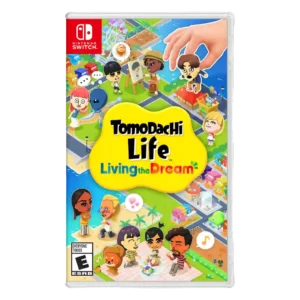
One review praises the ability to use the menu to jump straight to characters instead of searching tediously.
Pros: character customization, fun factor
Cons: content variety, gameplay mechanics
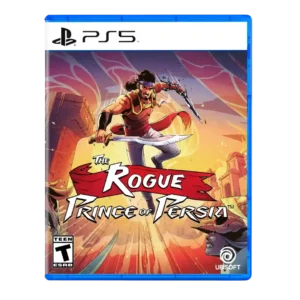
Map and navigation design was a consistent strength, especially the Mind Map, world map, and objective tracking.
Pros: combat system, movement feel
Cons: narrative quality, difficulty balance
The new minimap is a major quality-of-life improvement and usually makes compact towns easy to understand. A few frustrations remain when trying to relocate specific quest givers because character markers...
Pros: game length, gameplay mechanics
Cons: innovation, difficulty balance

The map and attached photographs help track clues, supplies, and blocked routes. Strong landmarks aid orientation, though unclear traversal and extensive backtracking can still leave players lost.
Pros: overall quality, atmosphere
Cons: boss design, movement feel
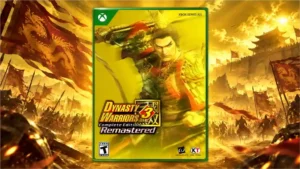
Horse summons, faster dashes, clearer camera control, and freer routes make large battlefields easier to cross, though some maps remain sprawling chores.
Pros: remake/remaster quality, graphics quality
Cons: difficulty balance, voice acting

Map markers and points of interest generally make objectives and resources easy to track, while route planning adds a useful tactical layer to larger stages.
Pros: fun factor, combat system
Cons: mission variety, progression system

New objective markers, collectible icons, and minimap changes are genuinely useful, although a few reviewers found them inconsistent or absent when most needed.
Pros: narrative quality, combat system
Cons: remake/remaster quality, value for money

Route planning is a core pleasure, especially with the pulled-back view and found maps, but the lack of explicit guidance can also lead to dead ends and costly backtracking.
Pros: narrative quality, emotional impact
Cons: difficulty balance, gameplay mechanics
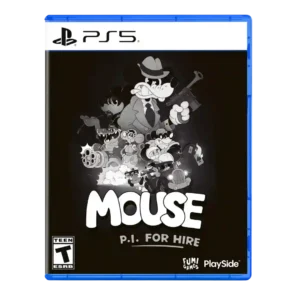
The compass, objective tracker, detective duster, and overworld map usually keep progress clear without removing exploration. Monochrome prompts and occasional missing directional cues can still cause confusion.
Pros: fun factor, art direction
Cons: weapon balance, gameplay mechanics
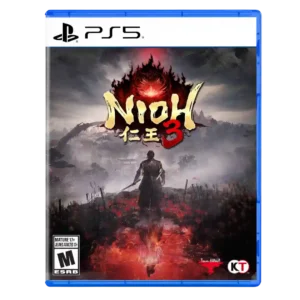
Map and navigation design was mostly positive, especially collectible reveal systems, though one review disliked checklist-style map completion.
Pros: combat system, open-world design
Cons: narrative quality, performance optimization

The map’s marking of discovered items helps navigation and return visits. It makes scavenging less dependent on remembering every room.
Pros: faithfulness to franchise, narrative quality
Cons: combat system, boss design
Zoom levels, puzzle previews, and distinct regional styling generally help orientation. Finding a specific abandoned puzzle or understanding boundaries between connected sections can still be difficult.
Pros: overall quality, puzzle design
Cons: narrative quality, difficulty balance

The City is easier to navigate when its layout is consolidated, though some versions still make moving between distant buildings feel slow and cumbersome.
Pros: gameplay mechanics, fun factor
Cons: microtransaction impact, animation quality
Maps generally make overworld and dungeon navigation straightforward, but not every navigation aid lands cleanly. Some reviewers praise convenient guidance while another finds certain indicators vague and clunky.
Pros: combat system, narrative quality
Cons: pacing, onboarding experience
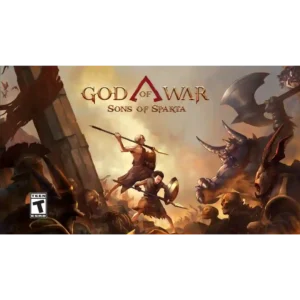
The map can be smartly interconnected and useful for tracking secrets, but unclear legends, late conveniences, and occasional route ambiguity make navigation inconsistent.
Pros: boss design, exploration quality
Cons: combat system, narrative quality
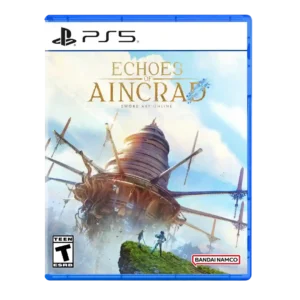
Navigation was mixed: some enjoyed route-finding and roads, while another worried about navigating large areas before maps unlocked.
Pros: combat system, companion AI
Cons: open-world design, movement feel

The expanding map supports discovery well, but its limited guidance can be both freeing and daunting depending on how much direction a player wants.
Pros: performance optimization, frame rate stability
Cons: controller ergonomics, platform-specific feature support
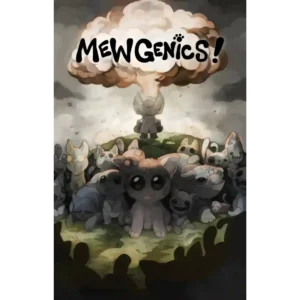
Routes provide some branching risk-reward choices, but several reviewers note that progression between fights is more linear than in many roguelikes. The map works, though it is not a major...
Pros: combat system, soundtrack quality
Cons: difficulty balance, learning curve
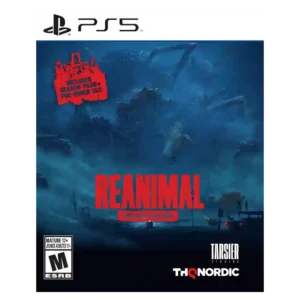
Navigation design is mixed: subtle environmental guidance is praised, but unclear paths and camera perspective can leave players lost.
Pros: narrative quality, atmosphere
Cons: puzzle design, fun factor

Opinions on the map and navigation design are mixed, balancing worthwhile ideas against noticeable friction or limitations.
Pros: narrative quality, fun factor
Cons: grind level, learning curve
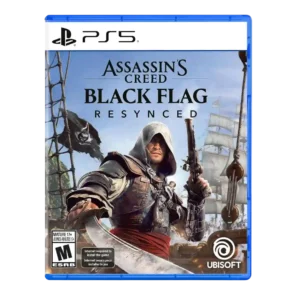
Map and navigation design is mixed because replacing the minimap with a compass was framed as a personal-preference change.
Pros: graphics quality, remake/remaster quality
Cons: DLC value, multiplayer design
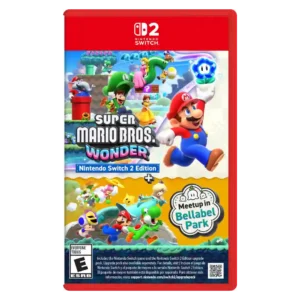
Finding scattered Koopaling tents and moving between some activities can be awkward, and a few writers call the mode layout confusing or the new stages too quick to navigate. Others...
Pros: fun factor, multiplayer design
Cons: matchmaking quality, map and navigation design
Quest filters, improved tracking and alternate control inputs help players navigate a very large adventure more comfortably.
Pros: graphics quality, value for money
Cons: performance optimization, frame rate stability
New clues and markers improve readability, but getting lost remains a common frustration, especially in dark or visually repetitive areas and some Wages of SiN maps.
Pros: remake/remaster quality, overall quality
Cons: level design, map and navigation design
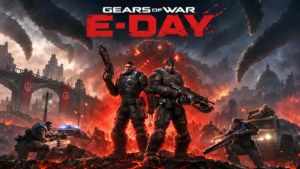
Map markers and proximity pings make upgrades easier to locate, but the interface can also turn exploration into waypoint cleanup rather than discovery.
Pros: combat system, graphics quality
Cons: exploration quality, mission design

Scanning, compass guidance, and the district transit map work well for some players. Others struggle without a detailed local map, especially when searching for specific vendors or residents.
Pros: overall quality, shopkeeping system
Cons: performance optimization, pacing
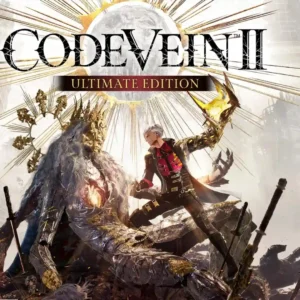
Navigation is a recurring frustration. Reviewers criticize unclear elevation, hidden entrances, map markers, and the absence of a useful mini-map, even though fast travel reduces some of the pain.
Pros: fun factor, narrative quality
Cons: boss design, exploration quality

The map and environmental signage can make navigation feel organic and tactile, but darkness and complex routes sometimes cause confusion. Reviewers split between appreciating the physical map and finding it...
Pros: horror tension, puzzle design
Cons: stealth mechanics, fun factor
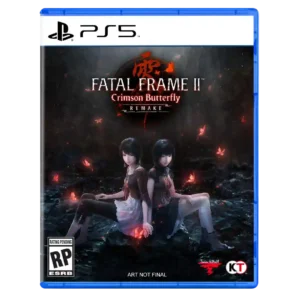
Maps and signposting usually keep objectives readable, but guidance ranges from welcome clarity to hand-holding that some players find excessive.
Pros: remake/remaster quality, horror tension
Cons: combat system, frame rate stability

The Grounds can connect activities in one place, but moving through a hub is not always faster than using menus. Reviewers split between appreciating the centralized layout and finding direct...
Pros: gameplay mechanics, progression system
Cons: open-world design, AI behavior

Large maps can require long runs from one side to the other, making navigation slower than the otherwise brisk design suggests.
Pros: fun factor, puzzle design
Cons: hint system, originality
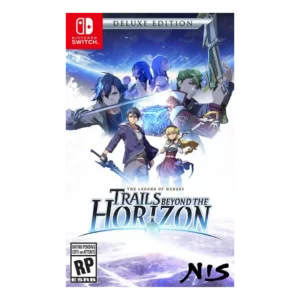
Map and navigation design drew mixed evidence because Grim Garten still had limited map and objective variety.
Pros: narrative quality, combat system
Cons: onboarding experience, pacing
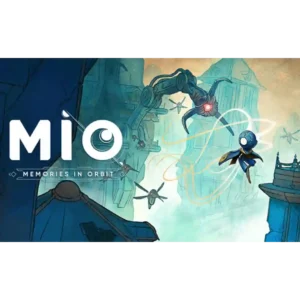
The minimalist map creates rewarding moments of self-directed discovery, but unclear direction, limited markers, delayed map access, and sparse fast-travel or checkpoint links can make backtracking unnecessarily frustrating.
Pros: movement feel, originality
Cons: difficulty balance, combat system
Navigation is a recurring weakness because similar-looking spaces and backtracking can make routes hard to read. The optional waypoint ping helps substantially but does not solve every layout.
Pros: fun factor, core gameplay loop
Cons: difficulty balance, narrative quality
Map and navigation design had limited negative support from a reviewer who noted the lack of a map and reliance on memory.
Pros: narrative quality, voice acting
Cons: bug frequency, menu usability
Map and navigation design is a recurring weakness, with multiple reviewers saying the map, minimap absence, or pathing made backtracking harder.
Pros: combat system, emotional impact
Cons: map and navigation design, platforming precision
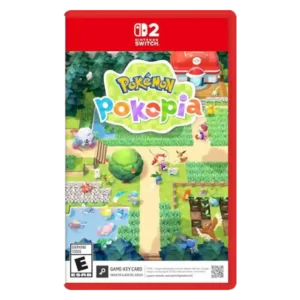
Map and navigation design drew complaints about limited map detail, lack of full-screen access, and weak labeling.
Pros: core gameplay loop, content variety
Cons: pacing, menu usability
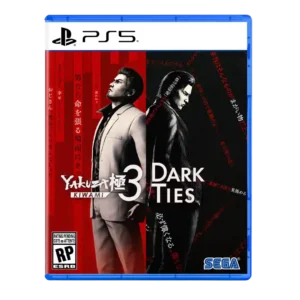
Navigation is functional but not universally praised; compact maps and quick travel help, while trimmed areas and some layout changes disappoint returning players.
Pros: fun factor, combat system
Cons: pacing, battle mode quality
Route guidance is divisive: some enjoy reading the terrain and learning it from memory. Others find dim markers, dense debris, and poorly signposted turns confusing enough to end a promising...
Pros: fun factor, overall quality
Cons: difficulty balance, pacing