
Haptic and force-feedback-style integration was praised for making terrain destruction tactile and satisfying.
Pros: fun factor, world interactivity
Cons: frame rate stability, boss design

Haptic and force-feedback-style integration was praised for making terrain destruction tactile and satisfying.
Pros: fun factor, world interactivity
Cons: frame rate stability, boss design

DualSense haptics and touchpad integrations are widely praised, especially wind, riding, rain, music, and activity feedback.
Pros: combat system, narrative quality
Cons: grind level, innovation

Haptic/DualSense integration is praised as highly immersive through controller feedback, speaker use, and adaptive triggers.
Pros: narrative quality, combat system
Cons: difficulty balance, weapon balance

Haptic feedback integration was praised strongly for making a monster’s presence felt through the DualSense.
Pros: atmosphere, faithfulness to franchise
Cons: puzzle design, co-op experience

DualSense haptics noticeably strengthen weapon feel on PS5. The implementation is singled out as stellar rather than merely present.
Pros: fun factor, loot system
Cons: difficulty balance, quest design

DualSense haptics and adaptive triggers were strongly praised.
Pros: multiplayer design, sound design
Cons: narrative quality, map and navigation design

DualSense haptics and adaptive triggers were praised for reflecting stamina, sword clashes, and sharpening interactions.
Pros: combat system, narrative quality
Cons: save system reliability, learning curve

Haptic feedback had limited but positive evidence, especially Switch 2 and DualSense rumble impressions.
Pros: level design, remake/remaster quality
Cons: soundtrack quality, mission design
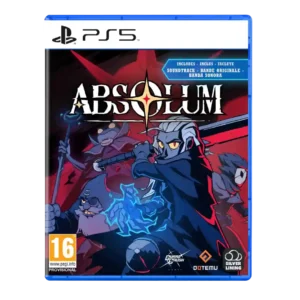
Haptic feedback support received limited praise for selective controller jolts reinforcing hits.
Pros: combat system, replay value
Cons: narrative quality, grind level

Haptic feedback evidence was limited but positive, with DualSense adaptive triggers improving weapon feel.
Pros: narrative quality, exploration quality
Cons: combat system, AI behavior

Haptic feedback is praised through satisfying controller rumble tied to gathering sweet spots.
Pros: core gameplay loop, narrative quality
Cons: crafting system, multiplayer design

One review said Switch 2 haptics helped communicate machine differences.
Pros: battle mode quality, content variety
Cons: learning curve, competitive balance

DualSense trigger feedback helps make scoped firing feel responsive and powerful in the PS5 account that evaluates it.
Pros: overall quality, level design
Cons: innovation, mission design

DualSense integration is a standout on PS5, with haptics, adaptive triggers, speaker effects, and other tactile cues deepening the sense of place. The controller features are repeatedly treated as meaningful...
Pros: immersion, fun factor
Cons: bug frequency, AI behavior
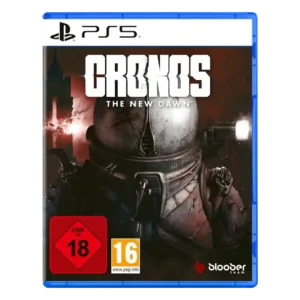
DualSense haptics were positively noted in one PS5 review as adding meaningful tactile feedback.
Pros: combat system, narrative quality
Cons: boss design, puzzle design

DualSense adaptive triggers and haptic feedback make the responsive gunplay more satisfying on PlayStation 5.
Pros: multiplayer design, level design
Cons: fun factor, narrative quality

Haptic support was platform-dependent: one PS5 review praised DualSense vibration, while another noted missing haptic and trigger use.
Pros: combat system, narrative quality
Cons: difficulty balance, enemy variety

Haptic feedback integration had a mixed single assessment, with DualSense features noted but controller-speaker output called obnoxious.
Pros: combat system, weapon balance
Cons: flying mechanics, narrative quality

One assessment finds the lack of vibration reduces combat impact. More tactile feedback would make hits feel stronger to that player.
Pros: overall quality, difficulty balance
Cons: frame rate stability, performance optimization