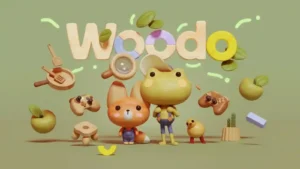
The simple rotate-and-place rules make the dioramas easy to understand while still giving each click a physical feel.
Pros: art direction, narrative quality
Cons: difficulty balance, replay value

The simple rotate-and-place rules make the dioramas easy to understand while still giving each click a physical feel.
Pros: art direction, narrative quality
Cons: difficulty balance, replay value
The classless skill system, Shouts, dual-wielding, crafting, exploration, and flexible interaction combine into a broad, rewarding RPG toolkit.
Pros: graphics quality, progression system
Cons: combat system, bug frequency
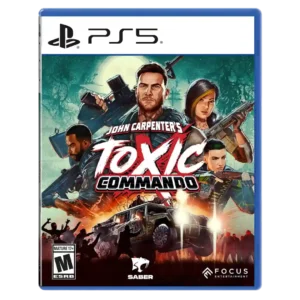
Reviewers who focus on the broader mechanical package like how shooting, classes, vehicles, exploration, and horde defenses interlock into an easy-to-grasp action game.
Pros: fun factor, combat system
Cons: mission variety, progression system
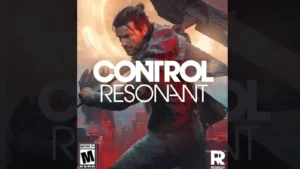
The strongest mechanical moments come from combining traversal, gravity shifts, powers, combat, and environmental ideas in ways that feel purpose-built for this world.
Pros: combat system, narrative quality
Cons: boss design, map and navigation design

The overall gameplay design is described as deeply satisfying, with exploration, combat, build experimentation, and progression reinforcing one another.
Pros: performance optimization, frame rate stability
Cons: controller ergonomics, platform-specific feature support
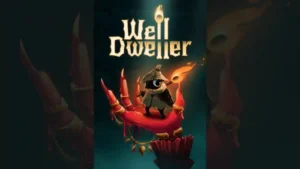
The matchstick, invincible slide, timed healing, traversal tools, and area gimmicks are praised for making a familiar formula feel playful and cohesive.
Pros: difficulty balance, boss design
Cons: innovation, sandbox freedom

Simple pushing, pulling, teleporting, and other abilities grow into richly interwoven systems. Their cross-world interactions are the game’s most widely admired creative strength.
Pros: overall quality, puzzle design
Cons: narrative quality, difficulty balance
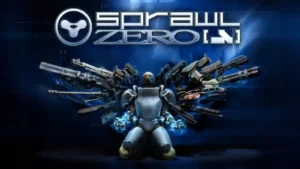
The one-gun system, Gravity Gloves, powers, environmental throws, and aggressive movement combine into a mechanically strong throwback that still feels fresh.
Pros: fun factor, core gameplay loop
Cons: difficulty balance, narrative quality
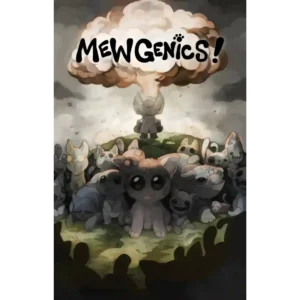
Its many systems interlock in unusually reactive ways, letting traits, abilities, items, terrain, weather, and inherited genetics create surprising outcomes. Reviewers consistently reward the depth because those interactions remain learnable...
Pros: combat system, soundtrack quality
Cons: difficulty balance, learning curve
Gameplay mechanics were usually praised for combining survival horror and action cleanly, with Grace’s sections singled out as especially strong.
Pros: pacing, combat system
Cons: originality
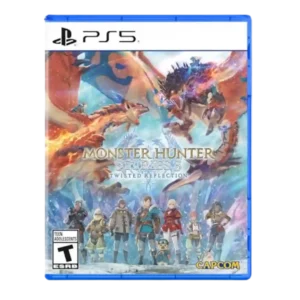
The many systems generally interlock well, with smart quality-of-life changes reducing old friction while retaining substantial depth in combat, Monstie building, and restoration.
Pros: combat system, narrative quality
Cons: difficulty balance, grind level
Deeper logistics, traffic, cargo timing, maintenance, city reactions, and infrastructure tools create a rich management simulation with meaningful interlocking systems.
Pros: user interface design, gameplay mechanics
Cons: learning curve, tutorial quality
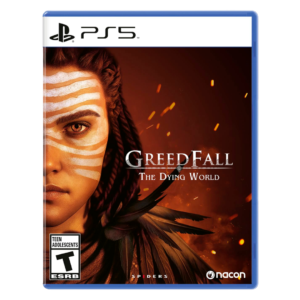
The deeper mix of talents, attributes, tactical profiles, party roles, and build options gives mechanically minded players a lot to experiment with.
Pros: narrative quality, side character depth
Cons: combat system, polish

The sequel's shop, combat, relic, and progression systems interlock unusually well, giving a simple premise much more depth than it first appears to have.
Pros: core gameplay loop, difficulty balance
Cons: narrative quality, load times
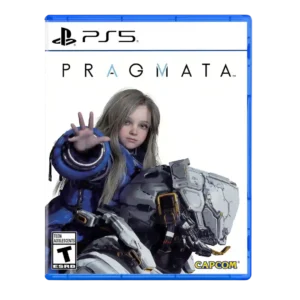
Reviewers praised the overall gameplay systems as well integrated, varied, and satisfying, especially when shooting, hacking, movement, and exploration reinforce one another.
Pros: combat system, emotional impact
Cons: map and navigation design, platforming precision
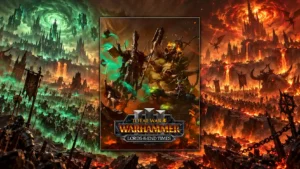
The expansion succeeds most when its faction systems reshape familiar races: Nagash’s undead network, Thanquol’s Masterplans, and the Glottkin’s hybrid mechanics all create distinct strategic identities. Some simpler systems do...
Pros: gameplay mechanics, fun factor
Cons: AI behavior, polish
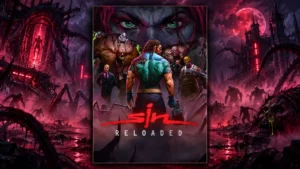
The remaster improves pickups, weapons, traversal, and other legacy systems without changing the basic identity. Its interactive, branching design still gives the mechanics personality.
Pros: remake/remaster quality, overall quality
Cons: level design, map and navigation design
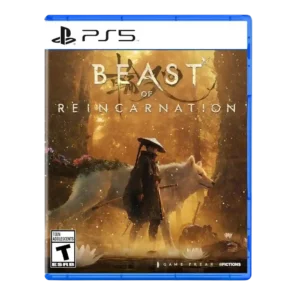
Combat, traversal, companion commands, and ranged tools fit together into a deliberate but flexible system. The mechanics encourage reading enemies and choosing the right response rather than relying on one...
Pros: combat system, companion AI
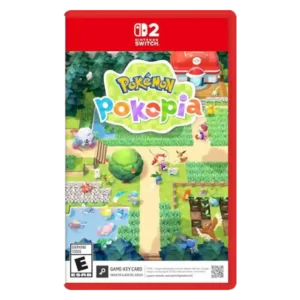
Gameplay mechanics were praised for being intuitive, modern, novel, and less laborious than similar cozy games.
Pros: core gameplay loop, content variety
Cons: pacing, menu usability
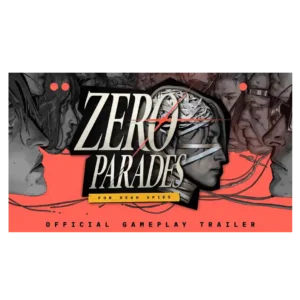
Pressure meters, exertion, conditioning, clothing, and failure-driven branches form a deep, reactive RPG system. Reviewers especially praised how mechanical consequences reinforce Cascade’s unstable inner life.
Pros: narrative quality, writing quality
Cons: pacing, bug frequency

Survival horror resource management and tool-gated exploration often reinforce each other beautifully. A few players find the mix less seamless once the town opens up.
Pros: overall quality, atmosphere
Cons: boss design, movement feel
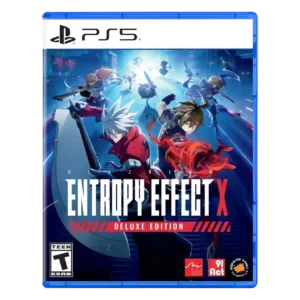
Gameplay mechanics are praised for fluid action, clever roguelike systems, and meaningful changes, despite some bugs in one review.
Pros: combat system, character roster
Cons: narrative quality, learning curve
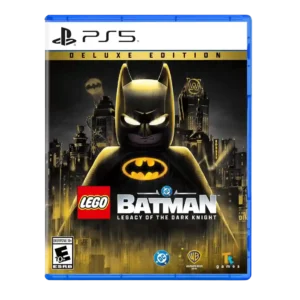
Reviewers describe the broader gameplay feature set as a major step up, with one preview calling the gameplay beyond amazing after hands-on play.
Pros: combat system, exploration quality
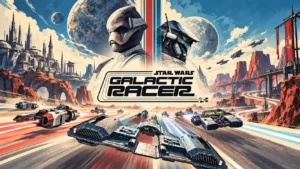
Boost heat, batteries, abilities, and planetary conditions give the racing more depth than simply accelerating toward the finish. Most enjoy how the systems interact, although busy inputs and poorly implemented...
Pros: fun factor, overall quality
Cons: difficulty balance, pacing

Twining is the standout mechanic, turning every new creature into a possible movement, puzzle, exploration, or combat tool instead of just another battle unit.
Pros: fun factor, gameplay mechanics
Cons: monetization fairness, menu usability

Soul management, Break Souls, combo trees, and character-specific systems can create satisfying tactical depth, though some critics think the systems do not always harmonize.
Pros: narrative quality, combat system
Cons: remake/remaster quality, value for money
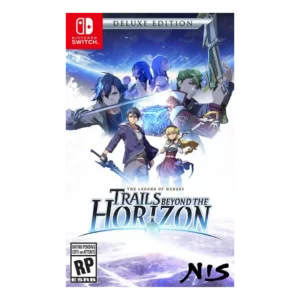
Reviewers praised the refined mechanics as deep, accessible for returning players, and mechanically dense, with one summary calling the systems easy to pick up after earlier Daybreak games.
Pros: narrative quality, combat system
Cons: onboarding experience, pacing

The mechanics are intentionally straightforward and easy to understand, which supports the relaxed tone and keeps attention on observation rather than technical shooting.
Pros: fun factor, art direction
Cons: difficulty balance, hint system
The core mechanics remain familiar in 1.0, but that familiarity is treated as a strength because the established systems already work well.
Pros: town-building system, exploration quality
Cons: grind level, fast travel convenience

The clearest strength is the football itself: manual defending, smarter runs, crossing, corners, passing, and dribbling are widely described as more rewarding. A few reviews still find pace, set pieces,...
Pros: gameplay mechanics, progression system
Cons: open-world design, AI behavior
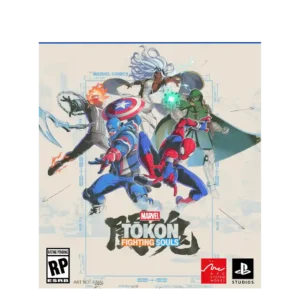
Reviewers describe the mechanics as deep and increasingly rewarding, with later build impressions saying the system became much more dynamic, though auto-combos and complexity remain tradeoffs.
Pros: fun factor, character roster
Cons: tutorial quality, competitive balance
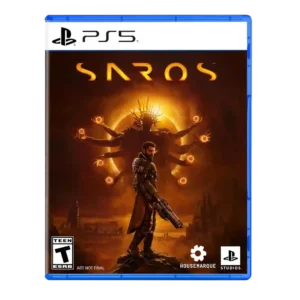
Gameplay mechanics, especially the shield, parry, eclipse, and modifier systems, were praised, though one review felt the systems could overprotect players.
Pros: narrative quality, combat system
Cons: side character depth, dialogue quality
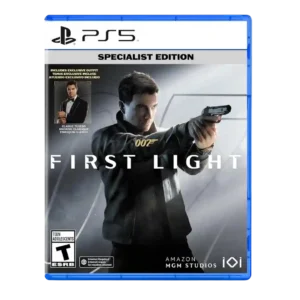
Reviewers consistently praise the flexible gadget, stealth, and improvisation systems, describing them as stylish, deep, and player-driven rather than a simple licensed action shell.
Pros: stealth mechanics, combat system
Cons: pacing

The game’s dice rolls, risk-heavy daily actions, and quality-of-life touches make familiar farming systems feel less predictable. Some players enjoy that constant uncertainty, while others find the randomness intrusive.
Pros: combat system, difficulty balance
Cons: progression system, bug frequency
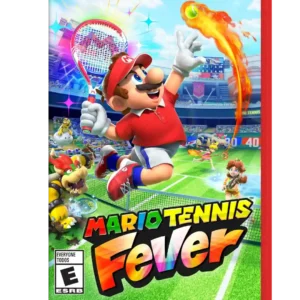
Fever Rackets add hazards, buffs, counters, and tactical matchup choices on top of an already solid tennis system. Most reviewers like the added strategy and spectacle, while some think the...
Pros: fun factor, gameplay mechanics
Cons: tutorial quality, onboarding experience
The scanner is the standout mechanic, turning doors, objects, enemies, and map completion into an active exploration system. Its manual nature is engaging for some players but can cause major...
Pros: atmosphere, exploration quality
Cons: map and navigation design, bug frequency

The Genesis Configuration gives combat and puzzles a distinctive hook through telekinesis, fire, and banishment. Its most enthusiastic admirers enjoy creative kills, while critics find its potential limited or its...
Pros: faithfulness to franchise, narrative quality
Cons: combat system, boss design
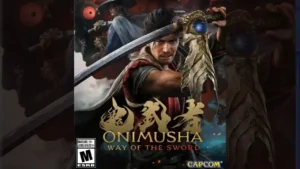
The layered defensive options, soul management, armaments, environmental tools, and resource systems create unusually rich moment-to-moment play. A few explanations and secondary systems can feel confusing or less polished.
Pros: combat system, fun factor
Cons: pacing, open-world design
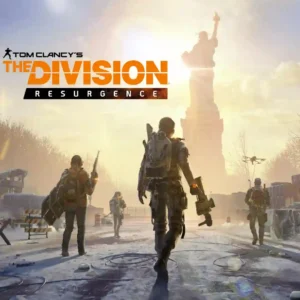
Core systems are streamlined for mobile without losing their tactical character, and abilities remain quick and satisfying to use.
Pros: content variety, controls responsiveness
Cons: narrative quality, menu usability

One reviewer saw the remake giving players more direct control during combat, especially through revised tool and weapon handling.
Pros: graphics quality, remake/remaster quality
Cons: DLC value, multiplayer design
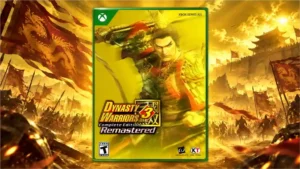
Dodging, perfect guards, counters, weapon fusion, and other quality-of-life additions make the old framework much easier to enjoy today, even if it remains simple.
Pros: remake/remaster quality, graphics quality
Cons: difficulty balance, voice acting
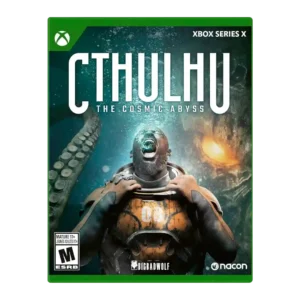
Reviewers broadly praised the investigation systems, especially sonar and deduction, though a few found the mechanics clunky or occasionally stumbling.
Pros: puzzle design, atmosphere
Cons: horror tension, crash stability

Reviewers generally found the RPG, morality, feeding, and vampire systems engaging and well matched to the narrative, though a few noted uneven execution or jank in ability use.
Pros: narrative quality, voice acting
Cons: bug frequency, menu usability

The game layers tactical battles, management, exploration, and progression into a deep package. That richness excites many reviewers but can feel overstuffed.
Pros: narrative quality, fun factor
Cons: grind level, learning curve
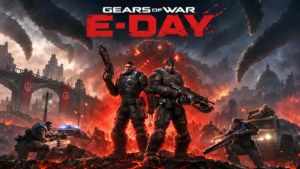
The familiar cover-shooter foundation is refined with better mobility, lower cover, tactical gear, and weapon modifications. These additions improve flexibility without fundamentally reinventing Gears.
Pros: combat system, graphics quality
Cons: exploration quality, mission design
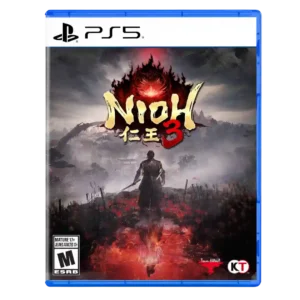
Reviewers largely praised the Samurai/Ninja systems and style switching for adding flexibility and depth, though a few found specific mechanics underpowered or limiting.
Pros: combat system, open-world design
Cons: narrative quality, performance optimization
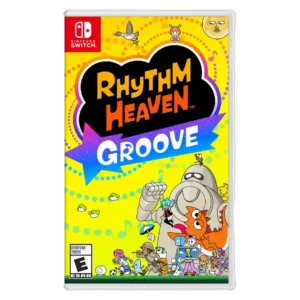
The mechanics are consistently framed as simple button timing used in varied ways, intuitive in action, and easy to understand even when hard to master.
Pros: fun factor, difficulty balance
Cons: value for money
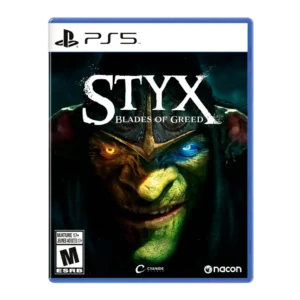
The basic gameplay systems are a strong foundation: sneaking, stealing, takedowns, movement, and tools generally work together in a satisfying way.
Pros: fun factor, stealth mechanics
Cons: polish, combat system

Powerplex-specific hands-on commentary described a technical, different move kit, giving gameplay mechanics positive but narrow support.
Pros: fun factor, combat system
Cons: learning curve, competitive balance
Loadouts, aircraft roles, squad commands, weather interactions, and arcade flight systems give the action more depth than the simple premise suggests.
Pros: narrative quality, fun factor
Cons: dialogue quality, difficulty balance