
Reviewers repeatedly praised the destructive mechanics and ability-driven play as the main hook, calling the smashing, digging, and new gameplay loop highly enjoyable.
Pros: fun factor, world interactivity
Cons: frame rate stability, boss design

Reviewers repeatedly praised the destructive mechanics and ability-driven play as the main hook, calling the smashing, digging, and new gameplay loop highly enjoyable.
Pros: fun factor, world interactivity
Cons: frame rate stability, boss design

The underlying gameplay hooked the reviewer quickly, with its systems feeling immediately engaging rather than merely functional.
Pros: combat system, remake/remaster quality
Cons: animation quality, environmental detail
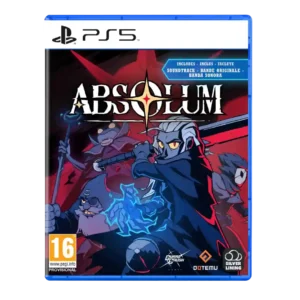
Reviewers praised the mechanical depth and expressive systems, especially once combos, rituals, and enemy responses opened up.
Pros: combat system, replay value
Cons: narrative quality, grind level

The instant-death fire circle and other Battlefield-flavored mechanics give matches urgency and memorable tactical moments. The core systems generally land well even when the broader BR formula feels familiar.
Pros: fun factor, battle mode quality
Cons: multiplayer design, replay value

Reviewers praised the broader mechanics for making Pokémon management and move choices feel fresh, though some noted jank around execution.
Pros: combat system, exploration quality
Cons: graphics quality, voice acting
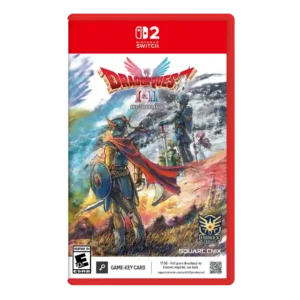
Reviewers praised Sigils, Scrolls, and other new mechanics for adding meaningful choices while keeping the classic JRPG foundation intact.
Pros: remake/remaster quality, combat system
Cons: difficulty balance, grind level
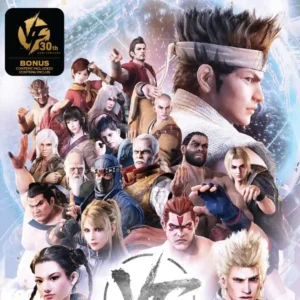
Directional attacks, positioning, ring-outs, walls, and character-specific systems create a deep mechanical layer without relying on flashy meters or supers.
Pros: remake/remaster quality, combat system
Cons: content variety, character customization
The simulation’s interconnected systems are the defining strength: population, politics, trade, control, logistics, and government choices feed into one another in ways reviewers repeatedly found deep and coherent.
Pros: gameplay mechanics, fun factor
Cons: learning curve, AI behavior

Reviewers describe the mechanics as familiar but meaningfully expanded, with witchcraft systems, richer magic use, and a few mixed notes about complexity.
Pros: combat system, progression system
Cons: originality
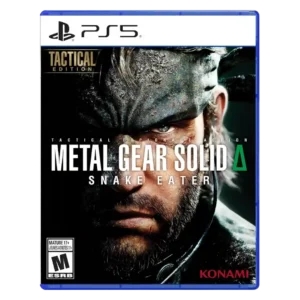
Reviewers repeatedly praised the survival and stealth systems as still strong, though one harsher review said the older structure did not click.
Pros: remake/remaster quality, graphics quality
Cons: performance optimization, frame rate stability
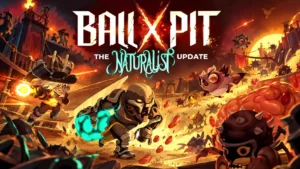
Brick breaking, survivor-style upgrades, and town management fit together unusually well for most players. Critics of the formula find that powerful builds can make direct input feel less important.
Pros: fun factor, upgrade system
Cons: user interface design, grind level

Reviewers repeatedly framed the systems-heavy design as a major strength, praising how mechanics connect to role-playing, dialogue, world simulation, and player expression.
Pros: combat system, narrative quality
Cons: save system reliability, learning curve
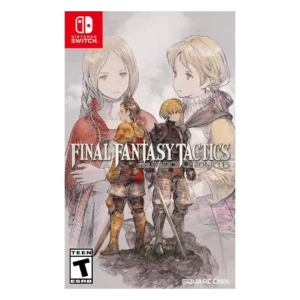
Gameplay mechanics remained flexible and rewarding, with reviewers praising customization, tactical choice, and satisfying systems.
Pros: remake/remaster quality, voice acting
Cons: content variety, camera behavior
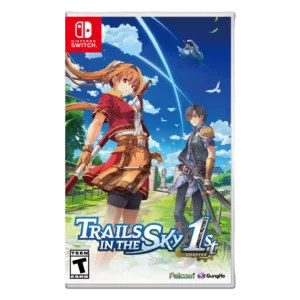
Reviewers praised the gameplay changes as a broad improvement, especially how the remake’s enhancements improve overall flow.
Pros: remake/remaster quality, combat system
Cons: content variety
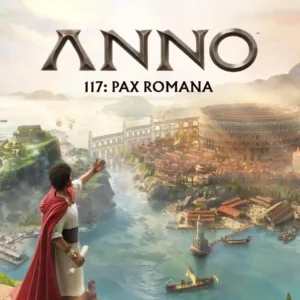
The layered mix of city-building, logistics, trade, research, diplomacy, religion, and warfare gives the game substantial mechanical depth without abandoning accessibility.
Pros: fun factor, graphics quality
Cons: learning curve, bug frequency

Reviewers who scored general gameplay mechanics describe the new mechanics as fun, layered, and stronger than prior entries, with only isolated caveats.
Pros: movement feel, loot system
Cons: performance optimization, narrative quality

core mechanics were praised for smooth, strong FPS fundamentals.
Pros: multiplayer design, sound design
Cons: narrative quality, map and navigation design
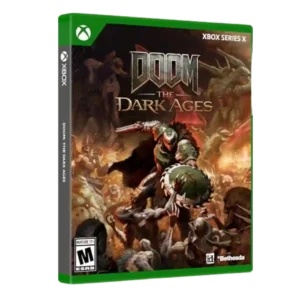
The shield saw and revised mechanics were often praised as a major new layer, though a few reviewers found the system one-note or overly dependent on the shield.
Pros: combat system, weapon balance
Cons: flying mechanics, narrative quality

Gameplay mechanics were widely praised for adapting Zonai devices, Sync Strikes, counters, and elemental reactions into Musou combat.
Pros: combat system, character roster
Cons: level design, mission design

Reviewers broadly praise the REV/SPG mechanics, meter management, and strategic depth, though a few note that the system can become dense or uneven around Rev Blows.
Pros: content variety, gameplay mechanics
Cons: learning curve, user interface design

Core skating mechanics were consistently praised as smooth, tight, polished, and satisfying, even by reviewers disappointed in other remake choices.
Pros: level design, remake/remaster quality
Cons: soundtrack quality, mission design

Reviewers generally liked the RPG systems, build options, and reactive mechanics, though a few found familiar systems less imaginative.
Pros: combat system, progression system
Cons: pacing, AI behavior
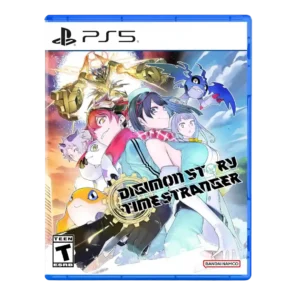
Reviewers liked the layered monster-building mechanics, especially flexible skills and personality systems, though the strongest praise focused on customization rather than novelty.
Pros: progression system, narrative quality
Cons: pacing, content variety

The fundamental shooting and Zombies mechanics are widely considered strong, with some sources saying the Zombies loop is close to perfected and the broader sandbox mechanics remain satisfying.
Pros: multiplayer design, level design
Cons: fun factor, narrative quality

The mix of brawling, exploration, RPG-style growth, and side activities works together smoothly. Reviewers especially liked how quickly the game can shift between these systems.
Pros: narrative quality, combat system
Cons: onboarding experience, difficulty balance

The in-possession and out-of-possession tactical system is the standout success, giving managers more control over shapes, roles and transitions. Seeing those ideas play out in the new match engine makes...
Pros: gameplay mechanics, animation quality
Cons: user interface design, bug frequency

Guillotine Boost, Hypercharge, and the fused characters turn enemies into both combat targets and stepping stones. Most find these systems exhilarating together, though a detailed dissent argues the bounce is...
Pros: overall quality, difficulty balance
Cons: frame rate stability, performance optimization

Reviewers generally praise the mechanics for depth, approachability, and varied systems across the included games, though some individual titles are odd or easier to outgrow.
Pros: content variety, value for money
Cons: cross-play support, competitive balance
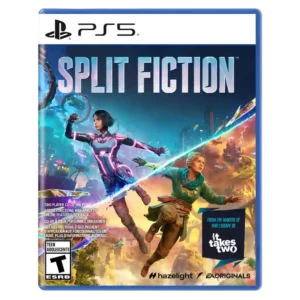
Reviewers broadly praised the constantly changing mechanics and strong moment-to-moment play, though a few found some actions forgettable or simple.
Pros: co-op experience, content variety
Cons: writing quality, narrative quality

Gameplay mechanics are praised for depth and power fantasy, though one reviewer argues an execution mechanic lacks meaningful challenge pressure.
Pros: combat system, faithfulness to franchise
Cons: narrative quality, frame rate stability
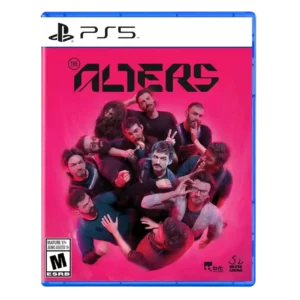
Most reviewers praised the blended survival, management, and narrative mechanics as polished or inventive, though a few found the underlying gameplay basic.
Pros: narrative quality, replay value
Cons: difficulty balance, pacing

Reviewers generally found the one-button foundation deeper than it first appears, with skill coming from timing, momentum, machine choice, and subtle race techniques.
Pros: battle mode quality, content variety
Cons: learning curve, competitive balance

Reviewers generally praise the way life-sim, crafting, exploration, and RPG systems fit together, though one critic says the mechanics feel too basic.
Pros: core gameplay loop, narrative quality
Cons: crafting system, multiplayer design

Review evidence frames the broader mechanics as more complex than the original, especially through Hornet’s expanded combat and movement options.
Pros: difficulty balance, art direction
Cons: economy and resource balance, checkpoint system

General mechanics are praised as refined and improved, though some reviewers call them reused rather than evolutionary.
Pros: combat system, narrative quality
Cons: grind level, innovation

Reviewers generally describe the broader mechanics as substantially refined and more approachable, though one review found the gameplay disappointing despite the spectacle.
Pros: narrative quality, combat system
Cons: difficulty balance, weapon balance

Ballistics, sound masking, tools, and loadout choices work well together and remain the main attraction. The systems feel very familiar, with traversal less refined than the sniping.
Pros: overall quality, level design
Cons: innovation, mission design

Reviewers generally praised the mechanical mix when it supported survival-horror pressure, highlighting risk/reward systems, progression, and thematic alignment; the few caveats centered on complexity and friction.
Pros: puzzle design, narrative quality
Cons: combat system, enemy variety
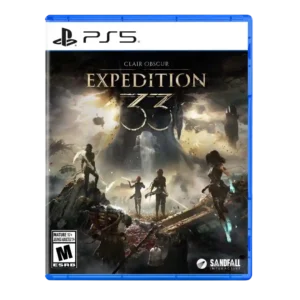
Reviewers praised the systems when they cohered, especially build synergies and tactical options, though one review found the turn-based-to-QTE blend disjointed.
Pros: narrative quality, combat system
Cons: map and navigation design, menu usability
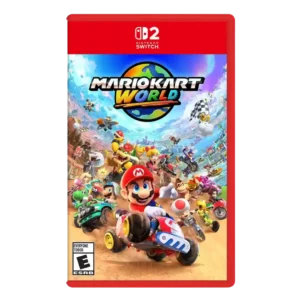
New mechanics such as rail grinding, wall riding, and charge jumps were often praised for depth, though one review called the broader gameplay mix uneven.
Pros: content variety, soundtrack quality
Cons: open-world design, exploration quality

Gameplay mechanics were generally praised for Focus Mode, wounds, weapon switching, and quality-of-life changes, though some felt over-streamlined.
Pros: combat system, narrative quality
Cons: difficulty balance, endgame content
The basic mechanics are approachable and playful, though several reviewers framed them as simple rather than deep.
Pros: co-op experience, puzzle design
Cons: controls responsiveness, replay value

The underlying systems are layered and often rewarding, especially once builds, faction goals, and extraction risks start working together. Some mechanics can clash with the very short time-to-kill.
Pros: fun factor, loot system
Cons: difficulty balance, quest design

Gameplay mechanics were generally praised as streamlined and flexible, but a few reviewers felt RPG systems lacked depth or reactivity.
Pros: combat system, narrative quality
Cons: difficulty balance, enemy variety

The game’s mechanics work best when shooting, scavenging, anomalies, gear wear, and world systems intersect naturally. At those moments, the design feels cohesive and unusually rewarding.
Pros: immersion, fun factor
Cons: bug frequency, AI behavior
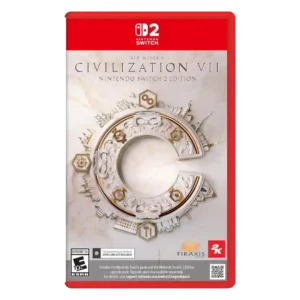
Reviewers often found the redesigned mechanics ambitious and sometimes strong, especially city/town changes and streamlined decisions, though several thought simplification removed texture.
Pros: fun factor, economy and resource balance
Cons: progression system, user interface design
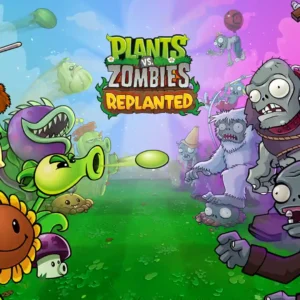
Resource management, lane defense, plant counters, and shifting stage rules still create a clean strategic foundation. Reviewers continue to praise how much tactical depth comes from such simple mechanics.
Pros: fun factor, remake/remaster quality
Cons: graphics quality, soundtrack quality

Reviewers saw the core systems as streamlined and approachable, with survival-lite mechanics supporting exploration, though several felt the suite was shallow or only functional.
Pros: narrative quality, exploration quality
Cons: combat system, AI behavior
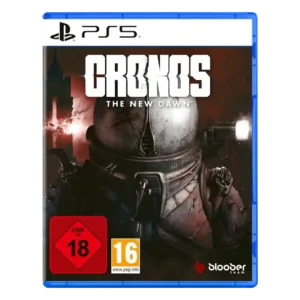
Reviewers saw the merge, burning, and time-manipulation mechanics as interesting but unevenly exploited; some praised the concept while others felt the central idea was underused.
Pros: combat system, narrative quality
Cons: boss design, puzzle design
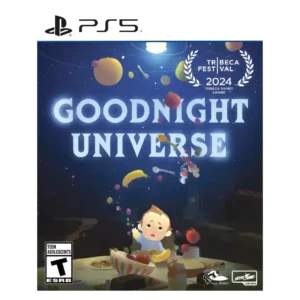
Reviewers often praised the mechanics when webcam, blinking, telepathy, and psychic interactions served the story, but several found the console or passive versions thin, clunky, or less meaningful.
Pros: narrative quality, emotional impact
Cons: controls responsiveness, platform-specific feature support