#1

Overall: 4.7/5
Glimmer, the siblings, and the wider cast are repeatedly described as charming and memorable, with small interactions giving them distinct personalities and emotional weight.
Pros: difficulty balance, boss design
Cons: innovation, sandbox freedom
#2
Overall: 4.0/5
Dylan's growth from damaged FBC test subject to a more self-directed person lands strongly, and his evolving relationships give the story a clear emotional spine.
Pros: combat system, narrative quality
Cons: boss design, map and navigation design
#3

Overall: 4.2/5
Bigby’s redemption and the cast’s reactions give the story more depth than a simple murder investigation. Character relationships and changing attitudes help personal decisions matter.
Pros: overall quality, remake/remaster quality
Cons: Noir Mode, polish
#4
Overall: 3.2/5
Companion questlines can give party members full character arcs, making relationship-building one of the more rewarding parts of the adventure.
Pros: narrative quality, side character depth
Cons: combat system, polish
#5
Overall: 2.8/5
Character growth was described as subtle but powerful, with personality emerging through battlefield behavior and interactions.
Pros: fun factor, combat system
Cons: originality, battle mode quality
#6
Overall: 3.7/5
Character growth is one of Berseria’s strongest qualities, especially Velvet’s arc and the way major party members evolve across the story.
Pros: narrative quality, combat system
Cons: remake/remaster quality, value for money
#7
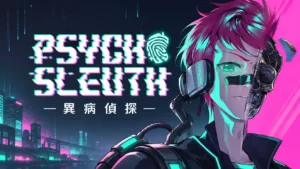
Overall: 3.5/5
Eccentric first impressions give way to emotional backstories and substantial depth, including for characters who initially seem like comic relief.
Pros: puzzle design, writing quality
Cons: gameplay mechanics, animation quality
#8
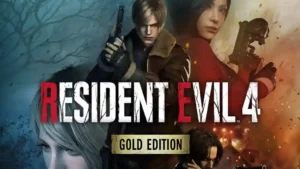
Overall: 4.0/5
The remake gives Leon a more natural progression from his earlier ordeal and makes Ashley and Luis more developed characters.
Pros: frame rate stability, overall quality
Cons: visual effects quality, humor
#9
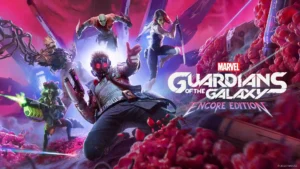
Overall: 3.8/5
The Guardians grow beyond their comic personas through personal histories, trauma and relationships. Their individual arcs create unusually strong attachment.
Pros: graphics quality, overall quality
Cons: frame rate stability, handheld play suitability
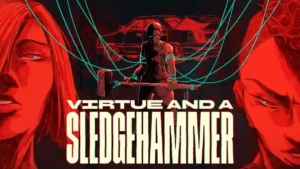
#10
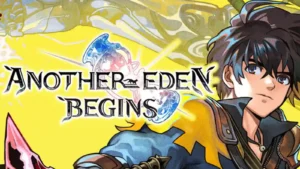
Overall: 4.3/5
Companion quests and the broader story give the party more growth and backstory than earlier entries, with several characters becoming genuine standouts.
Pros: combat system, narrative quality
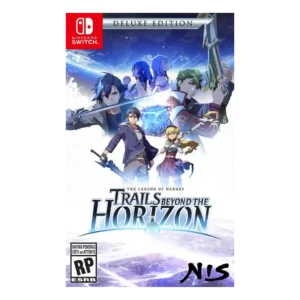
Cons: difficulty balance, grind level
#11
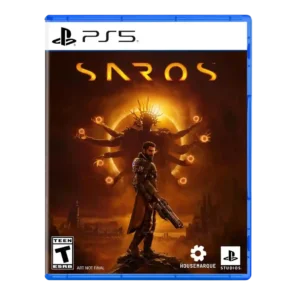
Overall: 4.3/5
Arjun’s arc drew praise where reviewers felt his development became darker, more complex, and captivating.
Pros: narrative quality, combat system
Cons: side character depth, dialogue quality
#12
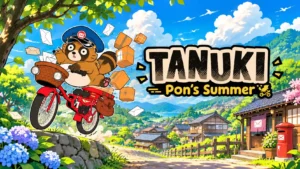
Overall: 4.2/5
Pon grows into a more responsible shrine keeper, while familiar townsfolk gradually reveal changes in their relationships and concerns.
Pros: minigame quality, Bike travel interactivity
Cons: controls responsiveness, pacing
#13

Overall: 4.0/5
The main cast grows beyond its initial archetypes through layered motivations, hidden nuances, and compelling arcs. Even seemingly meandering threads can gain purpose at the finale.
Pros: overall quality, narrative quality
Cons: pacing, localization support
#14
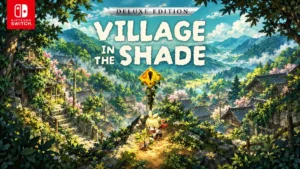
Overall: 4.2/5
Building trust with initially distant villagers makes relationships feel earned. Their developing bonds, personal histories, and changing roles strengthen attachment to Kagatsu.
Pros: overall quality, art direction
Cons: pacing, economy and resource balance
#15

Overall: 3.7/5
Several residents grow beyond an initial caricature as their personal stories unfold. Relationships can feel abrupt once a quest ends and further interaction disappears.
Pros: overall quality, shopkeeping system
Cons: performance optimization, pacing
#16
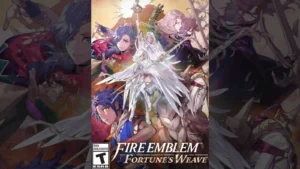
Overall: 4.1/5
Character arcs and interpersonal stories are a major draw, with the long structure giving key heroes room to develop.
Pros: narrative quality, fun factor
Cons: grind level, learning curve
#17
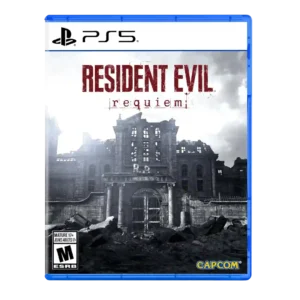
Overall: 4.4/5
Character development evidence centered on Grace’s growth and consistency, with reviewers finding her arc effective.
Pros: pacing, combat system
Cons: originality
#18

Overall: 4.4/5
Estelle’s growth from grief and dependence toward confidence and maturity is one of the game’s most celebrated achievements. Supporting characters also receive meaningful arcs and personal conflicts.
Pros: combat system, narrative quality
Cons: pacing, onboarding experience
#19
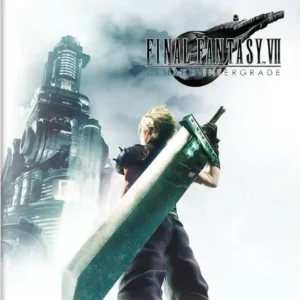
Overall: 4.3/5
Expanded scenes give Cloud, Aerith, Tifa, Barret, Jessie, Biggs, and Wedge more depth; one reviewer finds the main cast less likable.
Pros: combat system, graphics quality
Cons: pacing, accessibility options
#20
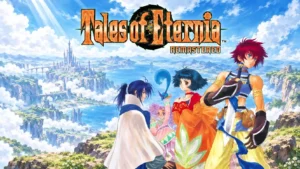
Overall: 3.8/5
The central quartet benefits greatly from restored camp conversations and sustained interaction. Some of the richest development is optional, so regularly stopping to camp matters.
Pros: remake/remaster quality, combat system
Cons: graphics quality, controls responsiveness
#21
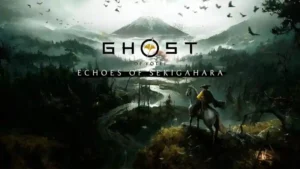
Overall: 4.1/5
Flashbacks reveal a more vulnerable Atsu and give her journey valuable personal context. This added dimension is one of the expansion's most consistent strengths.
Pros: overall quality, DLC value
Cons: difficulty balance, innovation
#22

Overall: 4.0/5
New revelations deepen Julia’s response to the failed relationship and repeatedly change how her history with Ivan is understood.
Pros: narrative quality, art direction
Cons: combat system, difficulty balance
#23
Overall: 3.7/5
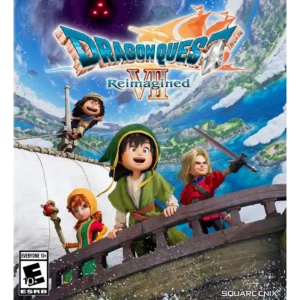
Kiefer, Maribel, and other party members have arcs that can resonate, especially around purpose and growing up. Some critics still wanted more time and depth for those journeys.
Pros: combat system, accessibility options
Cons: pacing, difficulty balance
#24
Overall: 3.9/5
Repeated encounters and new information deepen investment in the inhabitants. Their place in the mystery gradually becomes a personal reason to keep investigating.
Pros: overall quality, progression system
Cons: map and navigation design, tutorial quality
#25
Overall: 4.3/5
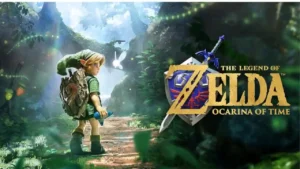
Added scenes and rewritten dialogue make characters feel more developed. Familiar relationships benefit from context that was only lightly sketched before.
Pros: remake/remaster quality, overall quality
Cons: difficulty balance, menu usability
#26

Overall: 3.4/5
Aava’s characterization is deliberately thorny and divisive. Some reviewers see meaningful emotional layers, while others feel her abrasiveness never develops into a satisfying arc.
Pros: narrative quality, emotional impact
Cons: difficulty balance, gameplay mechanics
#27
Overall: 4.2/5
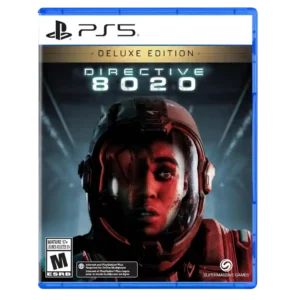
Character development was praised for how relationships and reactivity could make the story feel personal.
Pros: horror tension, gameplay mechanics
Cons: AI behavior, polish
#28
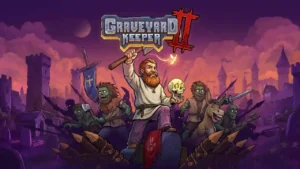
Overall: 3.5/5
Characters do more than hand out tasks; their situations and personalities change as their stories progress. That growth gives the supporting cast more texture over time.
Pros: fun factor, core gameplay loop
Cons: grind level, learning curve
#29
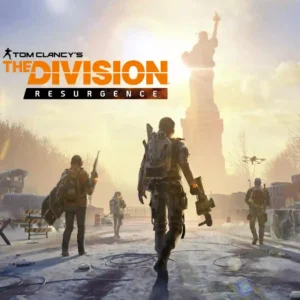
Overall: 4.0/5
A fully voiced agent feels more like a real character than the silent protagonists in earlier entries.
Pros: content variety, controls responsiveness
Cons: narrative quality, menu usability
#30

Overall: 3.8/5
Alfred’s gradual movement from bitterness toward connection is a major strength for many. A few find the transformation too compressed or superficial to fully believe.
Pros: narrative quality, overall quality
Cons: pacing, gameplay mechanics
#31

Overall: 3.7/5
Personal histories and tea-party conversations give the small cast substance beyond their borrowed Wonderland identities.
Pros: combat system, overall quality
Cons: progression system, difficulty balance
#32

Overall: 4.2/5
Character development is expected to improve because reviewers saw the remake fleshing out Edward’s story and personal relationships.
Pros: graphics quality, remake/remaster quality
Cons: DLC value, multiplayer design
#33
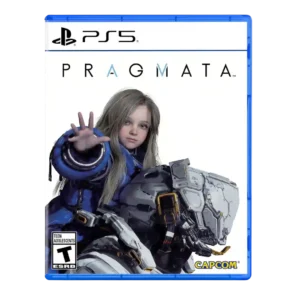
Overall: 4.3/5
Character development centers on Hugh and Diana’s growing bond, which reviewers overwhelmingly found organic, heartfelt, and memorable.
Pros: combat system, emotional impact
Cons: map and navigation design, platforming precision
#34
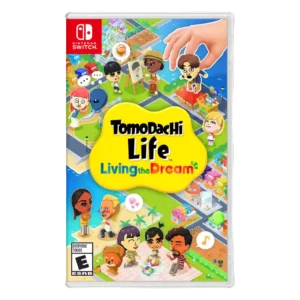
Overall: 3.9/5
Reviewers often felt Miis became memorable through quirks, relationships, and player input, although one noted that development can be slow.
Pros: character customization, fun factor
Cons: content variety, gameplay mechanics
#35
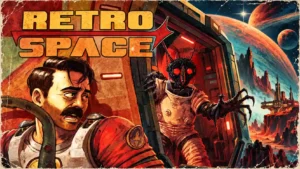
Overall: 3.6/5
The cast has distinct personalities, motives, and histories that help sustain the mystery. Opinions differ on whether their arcs feel fully realized or need more time and resolution.
Pros: overall quality, art direction
Cons: map and navigation design, difficulty balance
#36
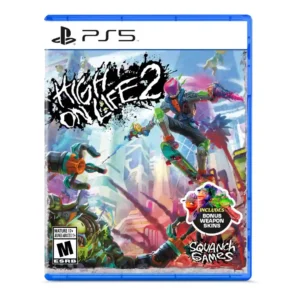
Overall: 3.3/5
Travis, Jan, Sheath, and other Gatlians receive more satisfying arcs and relationship beats than many expected, giving the talking weapons more emotional weight.
Pros: writing quality, fun factor
Cons: bug frequency, combat system
#37
Overall: 3.0/5
Kratos and Deimos' evolving brotherhood is widely praised, with Kratos gradually revealing more compassion and Deimos gaining complexity as their beliefs about duty clash.
Pros: boss design, exploration quality
Cons: combat system, narrative quality
#38
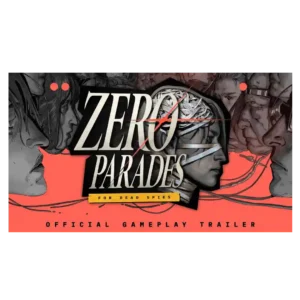
Overall: 4.1/5
The strongest arcs center on guilt, rebuilding, and whether Cascade and her former crew can move beyond past failures. These themes give the character work unusual emotional weight.
Pros: narrative quality, writing quality
Cons: pacing, bug frequency
#39

Overall: 4.5/5
The protagonists become more relatable through background revelations, quiet routines, and changes in their relationship. Some supporting material is less fully developed.
Pros: immersion, graphics quality
Cons: grind level, controls responsiveness
#40

Overall: 3.7/5
Stories such as Days and the prequel develop memorable relationships and motivations. Some prequel characterization also relies on frustrating communication tropes.
Pros: overall quality, graphics quality
Cons: frame rate stability, remake/remaster quality
#41
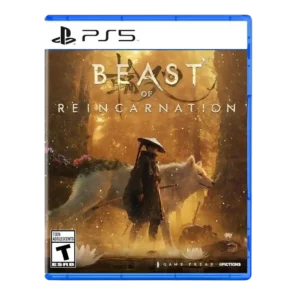
Overall: 4.3/5
Flashbacks give Emma and Koo’s relationship a warm, understandable foundation. Emma’s rejection by society also creates room for a stronger personal arc as the story develops.
Pros: combat system, companion AI
#42
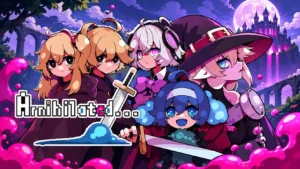
Overall: 3.8/5
Several companions evolve beyond their familiar RPG archetypes, especially through stories of loss and altered identity. Some players, however, find their voices too similar or too little chemistry in certain...
Pros: character route variety, combat system
Cons: localization support, strategic depth
#43
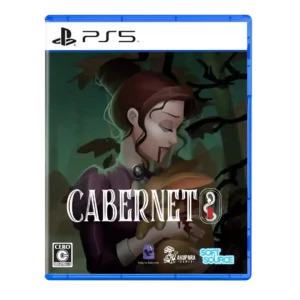
Overall: 4.0/5
Character development was generally strong, with reviewers praising memorable personalities, relationship consequences, and excellent development, though one found some characters less complex.
Pros: narrative quality, voice acting
Cons: bug frequency, menu usability
#44
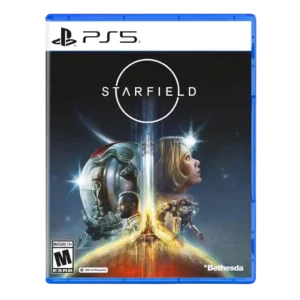
Overall: 3.5/5
Companions and character arcs are a relative strength when reviewers spend time with them, though the broader cast is not universally loved.
Pros: fun factor, combat system
Cons: bug frequency, narrative quality
#45
Overall: 3.9/5
Many find the sisters and their mother richly contradictory, with brief memories building a convincing family history. Others want more depth or stronger justification for Pratelle’s accumulated rage.
Pros: emotional impact, narrative quality
Cons: combat system, core gameplay loop
#46
Overall: 3.6/5
Character-focused quests do much of the heavy lifting, giving optional allies personality, history, and relationships with Aldo. The main story integrates that development unevenly, so some characters feel much stronger...
Pros: combat system, fun factor
Cons: difficulty balance, pacing
#47

Overall: 4.2/5
Character development is a notable strength because multiple reviewers see the origin story aligning Bond's growth with gameplay and MI6 relationships.
Pros: stealth mechanics, combat system
Cons: pacing
#48
Overall: 3.8/5
Susan’s growing determination and visible deterioration give her ordeal a strong character arc. Several supporting figures receive less complete development.
Pros: overall quality, atmosphere
Cons: stealth mechanics, AI behavior
#49
Overall: 3.6/5
Character development was mostly praised for strong connection events and character growth, though one review felt parts of the cast had become stagnant.
Pros: narrative quality, combat system
Cons: onboarding experience, pacing
#50
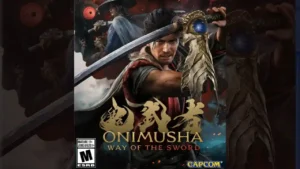
Overall: 4.1/5
Musashi’s reluctant-hero arc and growing acceptance of the Oni gauntlet are widely appreciated, as are several supporting arcs. Some reviewers wanted the Ganryu rivalry and parts of the cast developed...
Pros: combat system, fun factor
Cons: pacing, open-world design
