
Deck construction rewards players who enjoy understanding rules and building combinations that deliberately exploit them.
Pros: overall quality, graphics quality
Cons: frame rate stability, remake/remaster quality

Deck construction rewards players who enjoy understanding rules and building combinations that deliberately exploit them.
Pros: overall quality, graphics quality
Cons: frame rate stability, remake/remaster quality

Transferable Vision skills enable powerful combinations across party members. Deep experimentation is a major draw, though menus and uneven support-role coverage add friction.
Pros: overall quality, combat system
Cons: pacing, random encounter design

Building unusual, powerful combinations is the clearest reason to play. Players who enjoy rearranging upgrades and testing synergies are especially well served.
Pros: upgrade system, overall quality
Cons: solo play quality, progression system

Distinct weapon abilities, accessories, and refundable upgrades give build enthusiasts plenty to test. Effective combinations can change how a difficult encounter plays out.
Pros: combat system, gameplay mechanics
Cons: narrative quality, frame rate stability

Attachment tradeoffs and Apex modifications make experimenting with specialized loadouts rewarding. Players who enjoy tailoring guns can find more meaningful choices than simple stat boosts.
Pros: overall quality, narrative quality
Cons: weapon balance, choice impact

Craymel allocation and party setup offer meaningful experimentation. The need to choose between spell combinations gives build planning a real purpose.
Pros: remake/remaster quality, combat system
Cons: graphics quality, controls responsiveness

Weapon, spell, and relic combinations reward players who enjoy tuning a build. Frequent equipment menus can make detailed optimization less convenient than the combat system suggests.
Pros: overall quality, art direction
Cons: difficulty balance, progression system

Build experimentation can keep the game interesting beyond the campaign and soften repetition. Powerful combinations also make the challenge easier to break.
Pros: world-building, overall quality
Cons: horror tension, gameplay mechanics
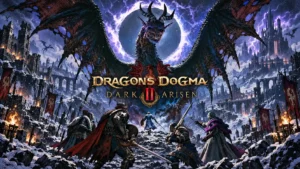
Random high-tier gear and repeatable enemy waves give min-maxers plenty of combinations to chase across multiple vocations. The motivation can fade once a favorite build becomes overwhelmingly powerful.
Pros: overall quality, DLC value
Cons: difficulty balance, pacing

Different commanders, troops, and elements can reward experimentation and change tactics. Some find those combinations too similar in practice or too constrained by equipment grinding.
Pros: art direction, soundtrack quality
Cons: combat readability, grind level

Detailed affixes, sets and equipment exclusions offer extensive experimentation. Opinions split over whether building demands satisfying planning or lacks the friction and information serious optimizers want.
Pros: gameplay mechanics, overall quality
Cons: difficulty balance, originality

Forms, receipts, and body equipment provide room to explore synergies and tailor a build. Uneven style usefulness and pools diluted by weak unlocks can narrow that experimentation.
Pros: art direction, gameplay mechanics
Cons: overall quality, combat system

Later perks and complementary gear can reward careful build planning. Mandatory weapon counters and weak individual upgrades sometimes limit specialization.
Pros: overall quality, DLC value
Cons: difficulty balance, innovation