The reviewers who discussed technical reliability reported playthroughs without notable bugs, glitches, or crashes.
Pros: combat system, fun factor
Cons: pacing, open-world design

The reviewers who discussed technical reliability reported playthroughs without notable bugs, glitches, or crashes.
Pros: combat system, fun factor
Cons: pacing, open-world design
Technical bugs appear rare on the platforms where this was specifically discussed; one long playthrough reported no noticeable glitches at all.
Pros: combat system, narrative quality
Cons: difficulty balance, grind level

One full reviewer reported no bugs at all, making basic stability a bright spot in that tested version.
Pros: fun factor, progression system
Cons: difficulty balance, combat system
Bug frequency evidence is positive where mentioned, with one reviewer saying they encountered no glitches during play.
Pros: combat system, emotional impact
Cons: map and navigation design, platforming precision
Bug frequency was praised by one reviewer who reported no bugs or wall clips.
Pros: pacing, combat system
Cons: originality
The 1.0 release is described as the most bug-free version yet, reinforcing the sense that the long Early Access cycle produced a polished build.
Pros: town-building system, exploration quality
Cons: grind level, fast travel convenience

One Switch review reported no bugs or graphical glitches during play.
Pros: difficulty balance, boss design
Cons: innovation, sandbox freedom
Several players report virtually no bugs, while others notice minor collision, visual, or settings issues. Most of these problems are described as limited rather than disruptive to the core racing.
Pros: fun factor, overall quality
Cons: difficulty balance, pacing

Most playthroughs were notably clean, with no major bugs or glitches. A few minor scripted and end-of-game issues appeared but were not considered disruptive.
Pros: fun factor, puzzle design
Cons: hint system, originality
Technical hiccups appear rare in the PlayStation 5 experience described, with only an isolated out-of-bounds incident that was fixed by reloading.
Pros: movement feel, originality
Cons: difficulty balance, combat system
Technical issues appear uncommon, with multiple playthroughs reporting no meaningful bugs. One launch-era glitch caused a restart, but another earlier save issue was said to be fixed after an update.
Pros: game length, gameplay mechanics
Cons: innovation, difficulty balance

Bug frequency appears low in preview evidence, with only minor lighting glitches noted.
Pros: graphics quality, driving mechanics
Cons: world interactivity, AI behavior
PC, PlayStation, and handheld-PC experiences were often clean, but isolated achievement glitches, stuck enemies, and launch bugs appeared. Some reported problems were patched quickly.
Pros: fun factor, art direction
Cons: weapon balance, gameplay mechanics
Minor oddities such as NPCs snagging on scenery appear, but they are described as uncommon rather than pervasive.
Pros: remake/remaster quality, graphics quality
Cons: difficulty balance, voice acting
The port is generally stable, although one review reports no bugs while another source notes a clipping incident.
Pros: combat system, graphics quality
Cons: pacing, accessibility options
One reviewer reported no major technical issues during Switch 2 play.
Pros: character customization, fun factor
Cons: content variety, gameplay mechanics
Bug frequency appears low in limited evidence, with one review noting only an odd minor bug or two.
Pros: narrative quality, atmosphere
Cons: puzzle design, fun factor
Technical bugs appear uncommon overall. One Switch 2 playthrough hit a late cutscene glitch, while a PC reviewer reported no bugs at all across roughly 70 hours.
Pros: combat system, narrative quality
Cons: pacing, onboarding experience

Most players report few technical problems, but one encountered several glitches that forced level restarts.
Pros: content variety, family friendliness
Cons: collectibles, level design
Technical bugs appear limited overall, with several smooth playthroughs, though isolated glitches and NPC oddities were still reported.
Pros: fun factor, combat system
Cons: pacing, battle mode quality
Bug frequency is a mild concern rather than a major flaw; one hands-on reviewer noticed minor demo bugs that seemed fixable.
Pros: combat system, exploration quality

The shipped port is far cleaner than its rough preview build, with many reviewers seeing few serious issues. Pop-in, lighting glitches, resume quirks, and occasional odd bugs still appear in...
Pros: performance optimization, frame rate stability
Cons: controller ergonomics, platform-specific feature support

Technical experiences range from nearly bug-free to several disruptive glitches affecting money, time, quests, and progression. The launch build appears cleaner for some players than earlier or Steam Deck builds.
Pros: combat system, difficulty balance
Cons: progression system, bug frequency

Technical blemishes appear occasionally, including awkward hitboxes and isolated glitches, but most reviewers do not consider them severe.
Pros: fun factor, puzzle design
Cons: difficulty balance, narrative quality

Several PC and PS5 experiences are clean, while others encounter minor bugs or startup trouble. Switch 2 reports include rewind errors and a severe docked-display glitch in one test.
Pros: overall quality, puzzle design
Cons: narrative quality, difficulty balance
Technical bugs range from nearly absent on some systems to enemies getting stuck in geometry or triggers failing. The most disruptive cases can force a checkpoint reload.
Pros: fun factor, core gameplay loop
Cons: difficulty balance, narrative quality

Beta experiences varied sharply, from disruptive progression bugs and general roughness to another tester reporting virtually no notable bugs at all.
Pros: fun factor, gameplay mechanics
Cons: monetization fairness, menu usability
Bug frequency varies widely by version and platform, from almost no issues to repeated freezes, broken interactions, and crash-adjacent problems.
Pros: fun factor, combat system
Cons: bug frequency, narrative quality
Many accounts report substantial improvement or entirely clean sessions. Others still encounter skill-menu freezes, traversal bugs, or Switch 2 pause and sleep problems.
Pros: overall quality, DLC value
Cons: difficulty balance, pacing
Bug frequency varied widely, from no bugs encountered to freezes and repeated softlocks on some platforms.
Pros: narrative quality, combat system
Cons: onboarding experience, pacing

Technical reliability varies sharply by platform and source: one account found no major bugs, while another reported a severe progression-saving bug on Xbox.
Pros: fun factor, faithfulness to franchise
Cons: combat system, game length

Some bugs remain in the full release, but they were not severe enough to erase the overall enjoyment for the player who highlighted them.
Pros: core gameplay loop, difficulty balance
Cons: narrative quality, load times
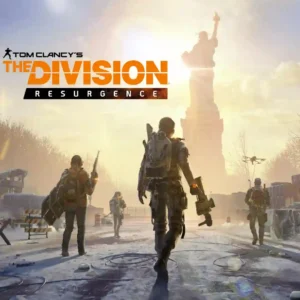
One controller sensitivity bug appeared suddenly, though reconnecting the controller fixed it.
Pros: content variety, controls responsiveness
Cons: narrative quality, menu usability
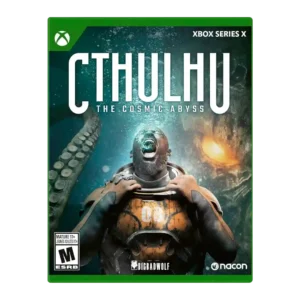
Bugs were a recurring concern, ranging from minor issues to progress-blocking or stability problems, though one review noted final-build fixes.
Pros: puzzle design, atmosphere
Cons: horror tension, crash stability
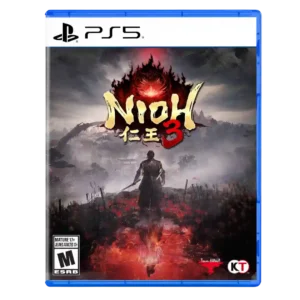
Bug frequency was a concern in several reviews, including disappearing health bars, glitches, and enemies behaving incorrectly.
Pros: combat system, open-world design
Cons: narrative quality, performance optimization

Technical reliability varies by account: one PC review saw only a minor one-off issue, while another playthrough reported a severe looping audio bug. Serious problems do not appear universal, but...
Pros: replay value, difficulty balance
Cons: game length, boss design
Bug experiences vary from almost clean runs to serious progression and audio problems. Pathfinding glitches, broken settings, and late-game bugs keep the technical picture from feeling dependable.
Pros: fun factor, originality
Cons: combat system, narrative quality

Clipping, stuck or popping characters, cleaning glitches, and quest problems detract from the simulation. Some early sessions report no bugs, while longer play exposes more rough edges.
Pros: overall quality, shopkeeping system
Cons: performance optimization, pacing
Launch-era glitches show up in several accounts, ranging from a fair share of quirks to bugs that noticeably hurt moments, while other reports describe the odd issue as minor.
Pros: fun factor, combat system
Cons: mission variety, progression system

Bug frequency was the most repeated technical concern, with many reviews reporting glitches, soft-locks, quest-breaking issues, or visual jank; a few encountered only minor problems.
Pros: narrative quality, voice acting
Cons: bug frequency, menu usability

Bugs range from minor dialogue and interaction oddities to inventory problems and stuck traversal. Some reviewers shrugged them off, while others found the launch build noticeably rough.
Pros: narrative quality, writing quality
Cons: pacing, bug frequency
Experiences range from no notable bugs to missing items that block story progress. Clipping enemies, disappearing corridors, and traversal defects remain recurring complaints, with some improvements noted after patches.
Pros: overall quality, art direction
Cons: map and navigation design, difficulty balance

Technical experiences vary from essentially clean playthroughs to intrusive glitches involving audio, interactions, animations, and textures. Problems can interrupt encounters and weaken otherwise effective horror scenes.
Pros: faithfulness to franchise, narrative quality
Cons: combat system, boss design
Reviewer evidence is negative or mixed: bug frequency was often criticized, even where some reviewers found redeeming moments across 6 review(s).
Pros: combat system, graphics quality
Cons: controls responsiveness, narrative quality
Bugs remain one of the expansion’s clearest weaknesses, including broken Masterplans and scenario issues. The release feels less buggy than some prior DLC, but rough edges can still interrupt campaigns.
Pros: gameplay mechanics, fun factor
Cons: AI behavior, polish

Technical issues are usually described as minor, but texture pop-in and occasional bugs show up often enough to be noticeable in several versions.
Pros: fun factor, open-world design
Cons: collectibles, originality

Technical polish varies sharply by platform. PS5 reports are often smooth, while Switch reviews repeatedly mention pop-in, flicker, shimmering, and other visual glitches.
Pros: narrative quality, combat system
Cons: remake/remaster quality, value for money
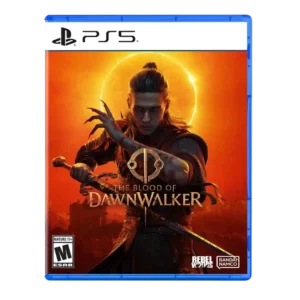
Minor bugs are common enough to be noticeable, including clipping, disappearing bodies, visual glitches, and other rough edges. They rarely erase the game’s strengths, but they repeatedly weaken polish.
Pros: combat system, fun factor
Cons: content variety, polish

Reported technical issues include glitches, blocking problems, and other rough edges. Some reviewers saw very few bugs, so the problem appears inconsistent rather than universal.
Pros: horror tension, puzzle design
Cons: stealth mechanics, fun factor
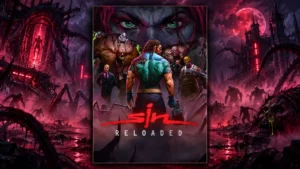
Reloaded is far more stable than the 1998 launch, but several playthroughs still hit vehicle-physics glitches, stuck enemies, progression problems, or other noticeable bugs.
Pros: remake/remaster quality, overall quality
Cons: level design, map and navigation design