Best for stress tracking
Garmin Forerunner 970
5.0 attribute score
Highest scored product for this attribute based on supporting review evidence.

Highest scored product for this attribute based on supporting review evidence.
Balances the attribute score, supporting reviews, and overall product strength.
Has the broadest review evidence for this attribute.
Strongest overall product among items with scored evidence for this attribute.
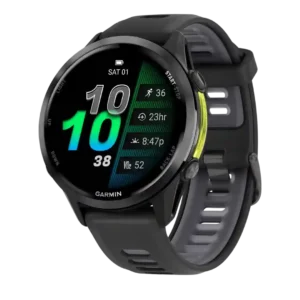
Stress tracking received strong praise from the one reviewer who directly evaluated it, especially for reflecting migraine-related strain and adjusting recovery guidance.
Pros: heart rate accuracy, GPS accuracy
Cons: battery life, value for money
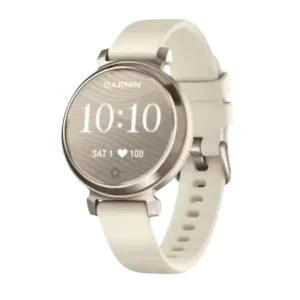
Stress tracking is one of the standout wellness features, repeatedly described as great, enjoyable, or excellent.
Pros: battery life, style and design
Cons: sleep tracking accuracy, workout tracking variety
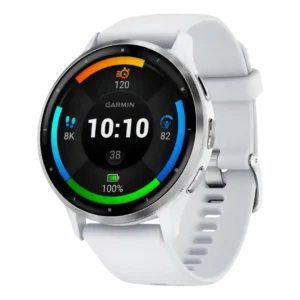
Stress tracking is praised as useful and accurate, with reviewers saying the watch’s stress and relaxation guidance matched their experience.
Pros: battery life, GPS accuracy
Cons: smartwatch features, smartphone notifications
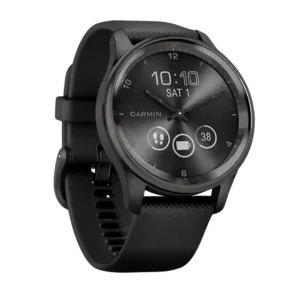
Stress tracking was one of the clearer strengths, with reviewers calling Garmin's continuous stress monitoring good or excellent.
Pros: style and design, charging convenience
Cons: battery life, charging speed
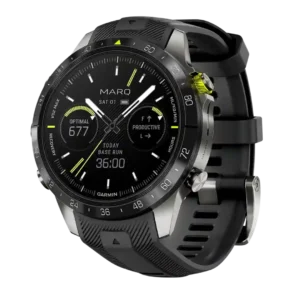
Stress tracking appeared as part of a wider health-and-fitness suite that one reviewer said excelled in daily use.
Pros: display quality, battery life
Cons: value for money, smartphone notifications
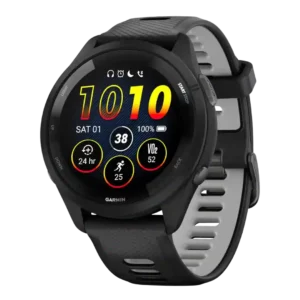
Stress tracking was generally useful, especially for breathing prompts, body-battery context, and reminders to take breaks.
Pros: battery life, value for money
Cons: mapping and navigation, smartwatch features
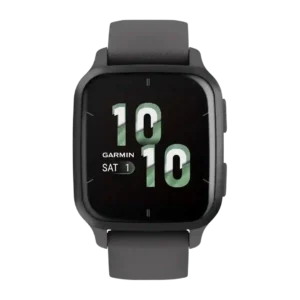
Stress tracking was praised for timely Relax Reminders that appeared when the reviewer actually felt stressed.
Pros: battery life, display quality
Cons: smartwatch features, style and design
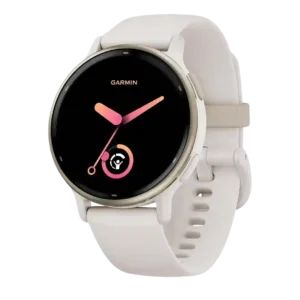
Stress tracking was praised for matching reviewer experience and making meditation or recovery prompts useful.
Pros: value for money, GPS accuracy
Cons: sleep tracking accuracy, recovery insights
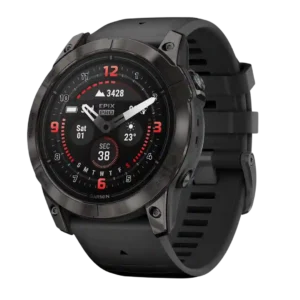
Stress tracking was useful because reviewers tied higher stress to faster Body Battery depletion and workout decisions.
Pros: battery life, GPS accuracy
Cons: user interface, fit
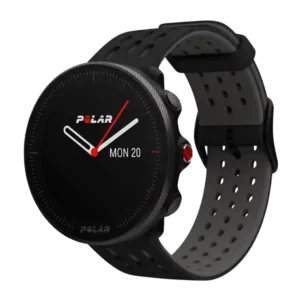
Stress-related recovery tracking was positively tied to Nightly Recharge, which reviewers found useful for showing how the body recovered from stress and training.
Pros: heart rate accuracy, coaching features
Cons: smartwatch features, brightness
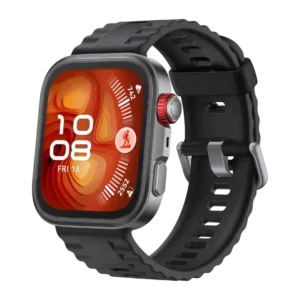
Stress tracking had limited positive evidence, with reviewers calling it interesting or responsive to real-time changes.
Pros: battery life, value for money
Cons: third-party app support, onboard music storage

Stress tracking is lightly but positively supported through Zepp app guidance that reassures the user after poor sleep or stress.
Pros: value for money, battery life
Cons: heart rate accuracy, third-party app support
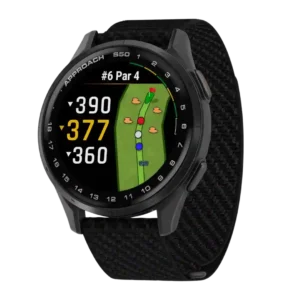
Stress tracking was useful in connection with bedtime and recovery prompts, though evidence focused on wellness reminders rather than measured precision.
Pros: value for money, comfort
Cons: fit, band quality
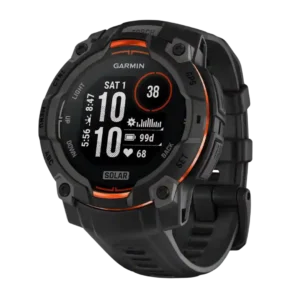
Stress tracking has limited support from a broader wellness-metrics judgment that stress remains reliable and accessible.
Pros: battery life, display quality
Cons: mapping and navigation, smartwatch features
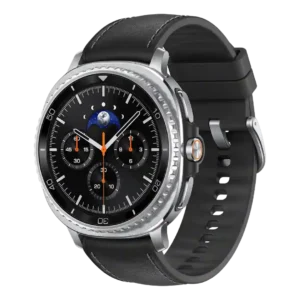
Stress tracking evidence was limited but positive, centered on the watch clearly presenting stress levels through vascular-load-related insights.
Pros: comfort, voice assistant quality
Cons: battery life, antioxidant index
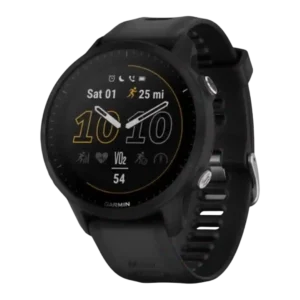
Stress tracking was viewed as useful for trends and breathing prompts, especially when it matched fatigue, illness, or high-stress moments.
Pros: GPS accuracy, battery life
Cons: onboard music storage, charging convenience
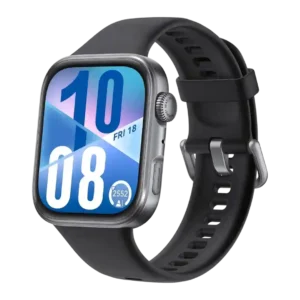
Stress tracking and emotional well-being features were considered useful and interesting, especially for spotting calmer or unpleasant periods.
Pros: value for money, battery life
Cons: companion app quality, contactless payments
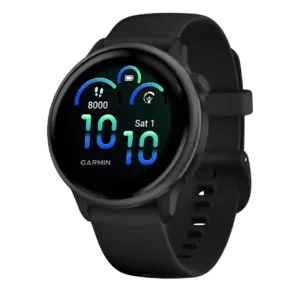
Stress-related tools were viewed as useful, especially when tied into Body Battery and guided breathing features.
Pros: battery life, comfort
Cons: heart rate accuracy, sleep tracking accuracy
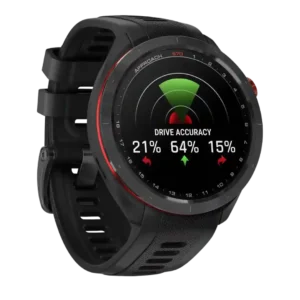
Stress tracking is mostly valued and sometimes described as accurate, though one reviewer found little personal value in the metric.
Pros: display quality, value for money
Cons: charging convenience, smartphone notifications
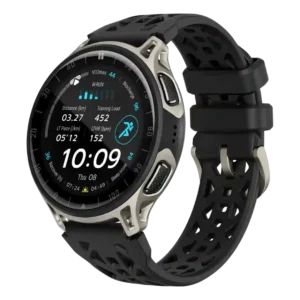
Stress tracking was useful where it offered practical suggestions and fed into readiness-style guidance, but evidence was limited.
Pros: GPS accuracy, battery life
Cons: band quality, smartwatch features
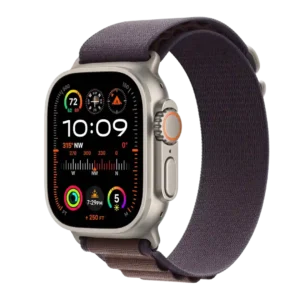
Mood and mindfulness tools were viewed positively when reviewers discussed clearing the mind or logging moods, though this evidence is more about mindfulness than advanced stress analytics.
Pros: battery life, voice assistant quality
Cons: value for money, mapping and navigation
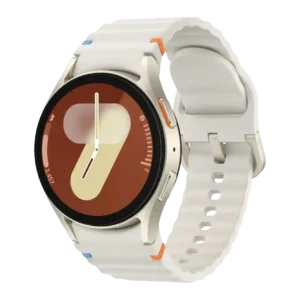
Stress tracking has light but positive evidence, with reviewers noting stress-level tracking and AI use of stress contribution in wellness scores.
Pros: value for money, wellness insights
Cons: battery life, cross-platform compatibility
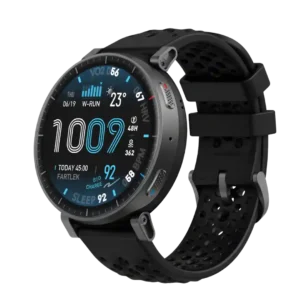
Stress tracking received limited but positive support as part of the watch’s broader tracking set, with one reviewer finding stress and training-load measurements relatively accurate.
Pros: battery life, value for money
Cons: companion app quality, heart rate accuracy
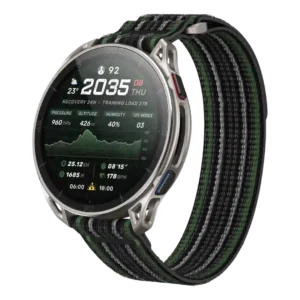
Stress-related scoring is viewed positively through Hybrid Charge, which combines physical data with psychological stress inputs for more personalized feedback.
Pros: battery life, value for money
Cons: reliability
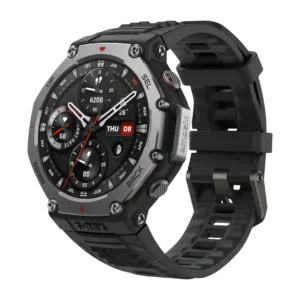
Stress-related HRV data was judged comparable in one review, but this area had limited direct evaluation.
Pros: value for money, mapping and navigation
Cons: heart rate accuracy, recovery insights
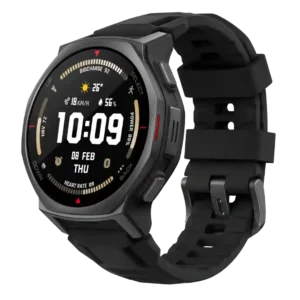
Stress tracking has limited positive evidence, grouped with sleep tracking as commendable in one review.
Pros: battery life, value for money
Cons: mapping and navigation, user interface
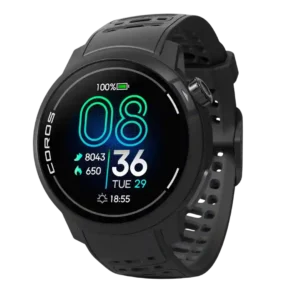
Stress tracking was treated as accurate enough for a general picture when combined with sleep and heart-rate data.
Pros: value for money, battery life
Cons: mapping and navigation, button controls
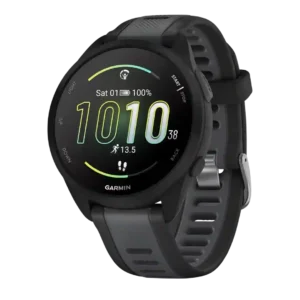
Stress tracking was mentioned as part of the watch's helpful health-glance system for knowing when to ease off.
Pros: value for money, GPS accuracy
Cons: recovery insights, onboard music storage
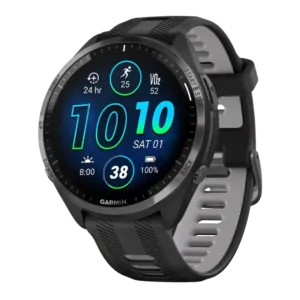
Stress tracking was included in useful readiness and health context rather than treated as a standalone killer feature.
Pros: battery life, GPS accuracy
Cons: smartwatch features, charging convenience

Stress tracking is viewed as a useful interpretive metric, especially because it helps explain Body Battery changes.
Pros: battery life, GPS accuracy
Cons: onboard music storage, mapping and navigation
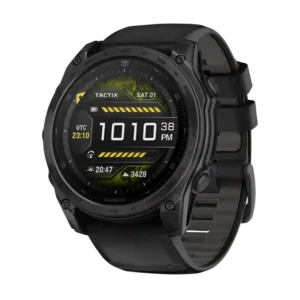
Stress tracking was described as useful for personalized relaxation and emotional management rather than just a passive metric.
Pros: battery life, durability
Cons: value for money, band quality
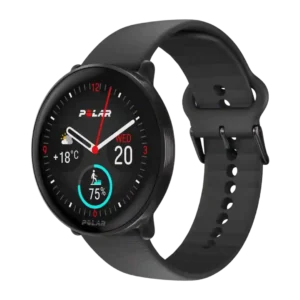
Stress support was mentioned positively through Polar’s guided breathing feature, which one reviewer framed as useful for relaxing body and mind.
Pros: display quality, coaching features
Cons: value for money, battery life

Stress tracking is reported to work normally alongside Samsung’s other core health measurements. There is little dedicated testing of the stress metric itself, so the positive signal is limited.
Pros: battery life, comfort
Cons: value for money, charging speed
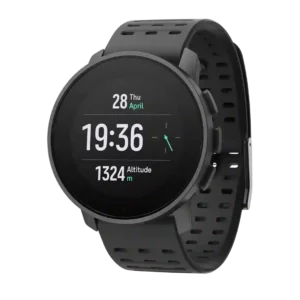
The stress-related Resources widget was described as useful for understanding the balance between strain and recovery, but evidence was limited to one review.
Pros: battery life, GPS accuracy
Cons: value for money, mapping and navigation
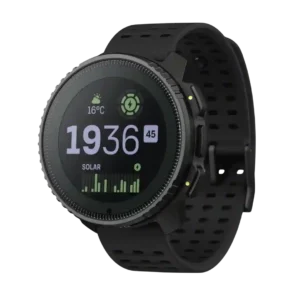
Stress and resource tracking received positive long-term feedback when one reviewer said it matched how they felt.
Pros: battery life, GPS accuracy
Cons: heart rate accuracy, value for money
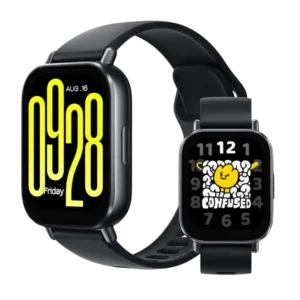
Stress tracking was treated as part of the watch’s useful essential health-monitoring package rather than a deeply analyzed feature.
Pros: call handling, smartwatch features
Cons: display quality, value for money
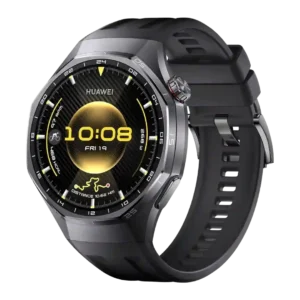
Stress and emotional tracking drew moderate-to-positive reactions, but some reviewers found mood interpretation woolly or uncertain.
Pros: battery life, GPS accuracy
Cons: contactless payments, app ecosystem
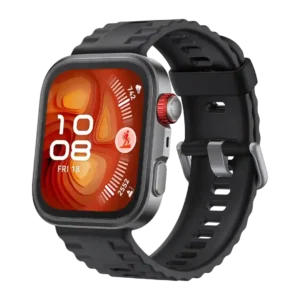
Stress tracking received limited but opinionated support: one reviewer found it accurate, while another called stress levels hit-or-miss.
Pros: battery life, value for money
Cons: contactless payments, sleep tracking accuracy
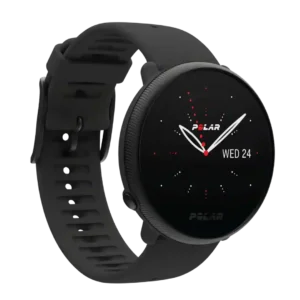
Stress tools were viewed as present and useful enough, especially in TechRadar's wellness framing, while one YouTube review saw the breathing feature as fairly standard.
Pros: style and design, workout tracking variety
Cons: touchscreen responsiveness, smartphone notifications
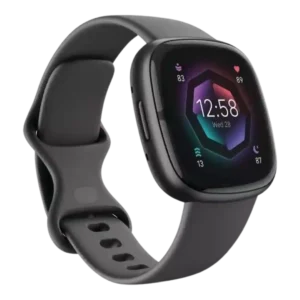
Stress tracking is the defining feature and sharply mixed: many like the mindfulness prompts and cEDA awareness, while others find it clunky, vague, niche, or gimmicky.
Pros: battery life, stress tracking
Cons: value for money, GPS accuracy
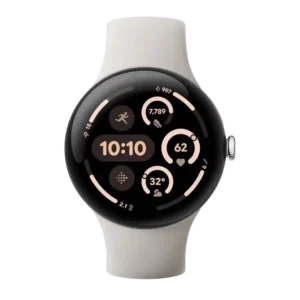
Stress tracking drew mixed reactions: some reviewers liked cEDA/body-response alerts, while others felt Fitbit still does not explain stress triggers or actions clearly enough.
Pros: battery life, display quality
Cons: GPS accuracy, charging convenience
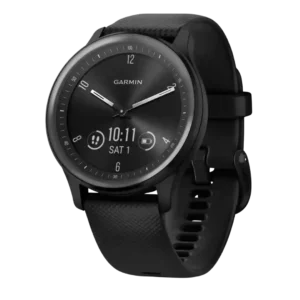
Stress tracking was usually useful as a wellness signal, but reviewers did not treat it as perfect, and one found it unlikely to match feelings accurately.
Pros: value for money, style and design
Cons: battery life, display quality
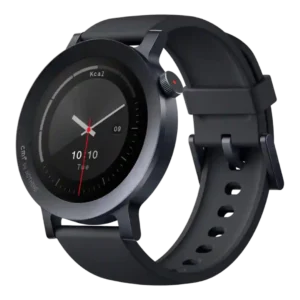
Stress tracking had mixed evidence: one reviewer liked guided breathing, while another found stress readings unreliable during a real stress episode.
Pros: style and design, value for money
Cons: customization options, companion app quality
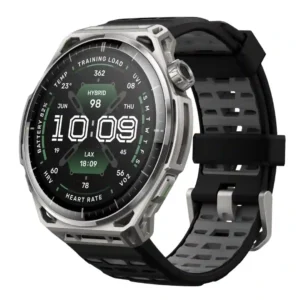
Automatic stress tracking and breathing reminders can be helpful, but the actual stress scores inspired skepticism. The guided breathing nudge was valued more than the numerical reading.
Pros: battery life, brightness
Cons: fit, third-party app support
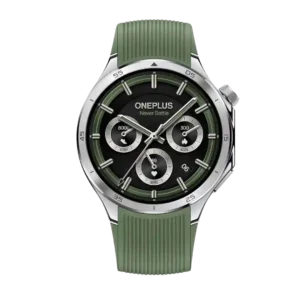
Stress tracking was mixed, ranging from vague and unhelpful to a basic wellness-style readout rather than deep stress guidance.
Pros: battery life, button controls
Cons: size options, ECG functionality
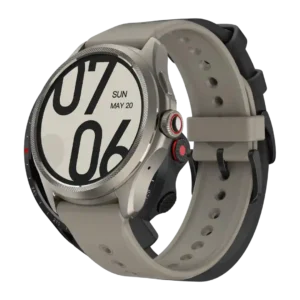
Stress tracking was useful for quick checks in one review, but another found the feature poorly explained and less useful.
Pros: battery life, display quality
Cons: voice assistant quality, sleep tracking accuracy
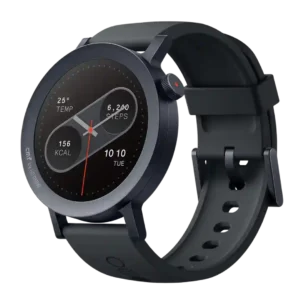
Stress tracking evidence was mixed, with some reviewers seeing broad alignment while another found consistently low or inaccurate stress readings.
Pros: value for money, battery life
Cons: GPS accuracy, sleep tracking accuracy
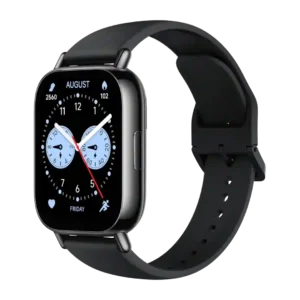
Stress tracking was present and usable, but reviewers treated it cautiously because one saw very different readings and another advised using health data only for reference.
Pros: display quality, battery life
Cons: sleep tracking accuracy, voice assistant quality
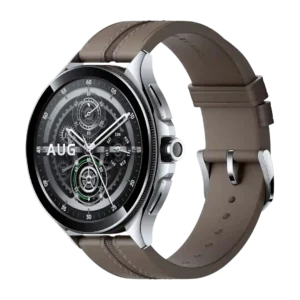
Stress tracking was mixed: one reviewer distrusted the results, while another found the stress feedback useful for understanding daily reactions.
Pros: app ecosystem, battery life
Cons: size options, comfort
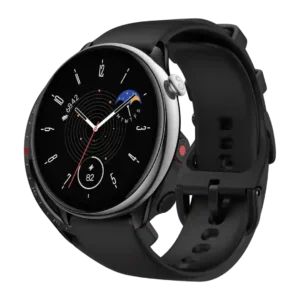
Stress tracking was treated cautiously because one reviewer said algorithm-based scores made accuracy hard to judge.
Pros: battery life, workout tracking variety
Cons: call handling, smartphone notifications