Best for stress tracking
Garmin Forerunner 970
5.0 attribute score
Highest scored product for this attribute based on supporting review evidence.

Highest scored product for this attribute based on supporting review evidence.
Balances the attribute score, supporting reviews, and overall product strength.
Has the broadest review evidence for this attribute.
Strongest overall product among items with scored evidence for this attribute.
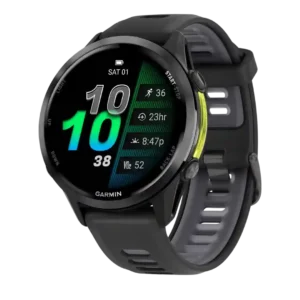
Stress tracking received strong praise from the one reviewer who directly evaluated it, especially for reflecting migraine-related strain and adjusting recovery guidance.
Pros: heart rate accuracy, GPS accuracy
Cons: battery life, value for money
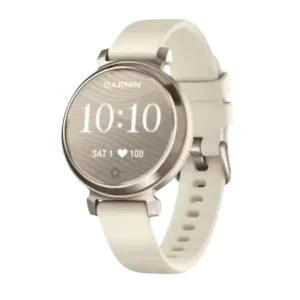
Stress tracking is one of the standout wellness features, repeatedly described as great, enjoyable, or excellent.
Pros: battery life, style and design
Cons: sleep tracking accuracy, workout tracking variety
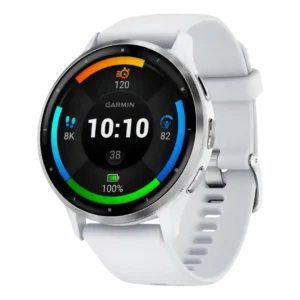
Stress tracking is praised as useful and accurate, with reviewers saying the watch’s stress and relaxation guidance matched their experience.
Pros: battery life, GPS accuracy
Cons: smartwatch features, smartphone notifications
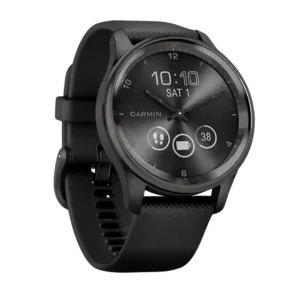
Stress tracking was one of the clearer strengths, with reviewers calling Garmin's continuous stress monitoring good or excellent.
Pros: style and design, charging convenience
Cons: battery life, charging speed
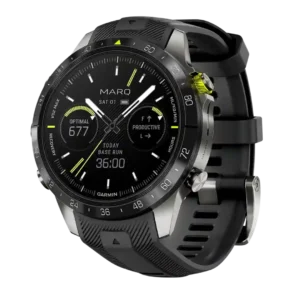
Stress tracking appeared as part of a wider health-and-fitness suite that one reviewer said excelled in daily use.
Pros: display quality, battery life
Cons: value for money, smartphone notifications
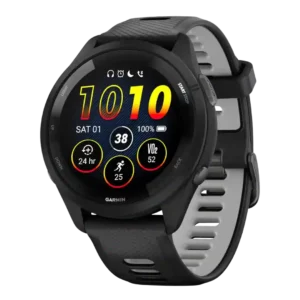
Stress tracking was generally useful, especially for breathing prompts, body-battery context, and reminders to take breaks.
Pros: battery life, value for money
Cons: mapping and navigation, smartwatch features
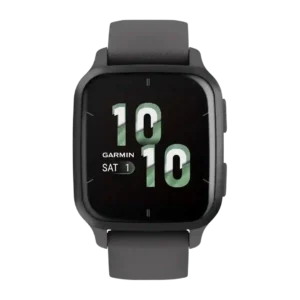
Stress tracking was praised for timely Relax Reminders that appeared when the reviewer actually felt stressed.
Pros: battery life, display quality
Cons: smartwatch features, style and design
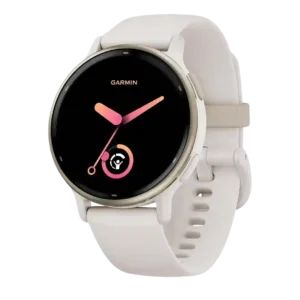
Stress tracking was praised for matching reviewer experience and making meditation or recovery prompts useful.
Pros: value for money, GPS accuracy
Cons: sleep tracking accuracy, recovery insights
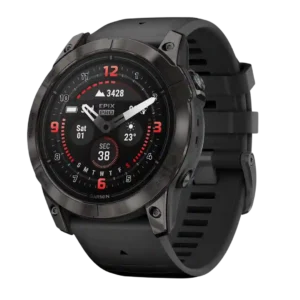
Stress tracking was useful because reviewers tied higher stress to faster Body Battery depletion and workout decisions.
Pros: battery life, GPS accuracy
Cons: user interface, fit
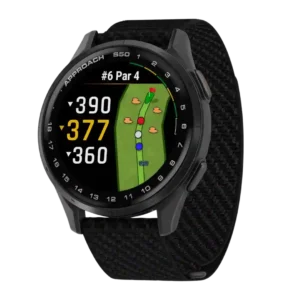
Stress tracking was useful in connection with bedtime and recovery prompts, though evidence focused on wellness reminders rather than measured precision.
Pros: value for money, comfort
Cons: fit, band quality
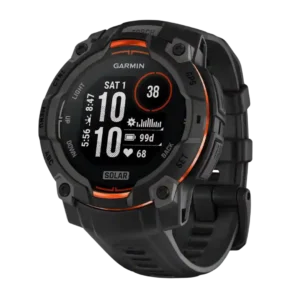
Stress tracking has limited support from a broader wellness-metrics judgment that stress remains reliable and accessible.
Pros: battery life, display quality
Cons: mapping and navigation, smartwatch features
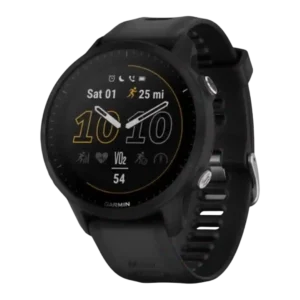
Stress tracking was viewed as useful for trends and breathing prompts, especially when it matched fatigue, illness, or high-stress moments.
Pros: GPS accuracy, battery life
Cons: onboard music storage, charging convenience
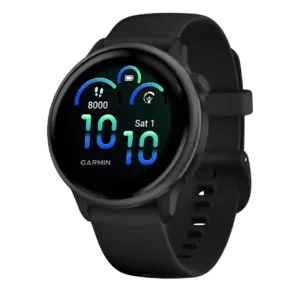
Stress-related tools were viewed as useful, especially when tied into Body Battery and guided breathing features.
Pros: battery life, comfort
Cons: heart rate accuracy, sleep tracking accuracy
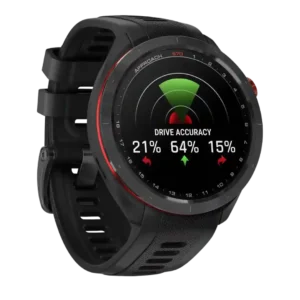
Stress tracking is mostly valued and sometimes described as accurate, though one reviewer found little personal value in the metric.
Pros: display quality, value for money
Cons: charging convenience, smartphone notifications
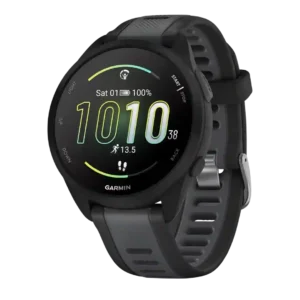
Stress tracking was mentioned as part of the watch's helpful health-glance system for knowing when to ease off.
Pros: value for money, GPS accuracy
Cons: recovery insights, onboard music storage
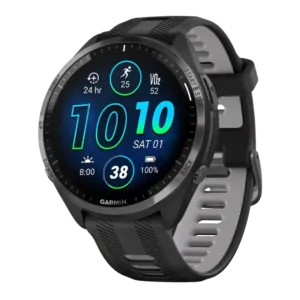
Stress tracking was included in useful readiness and health context rather than treated as a standalone killer feature.
Pros: battery life, GPS accuracy
Cons: smartwatch features, charging convenience

Stress tracking is viewed as a useful interpretive metric, especially because it helps explain Body Battery changes.
Pros: battery life, GPS accuracy
Cons: onboard music storage, mapping and navigation
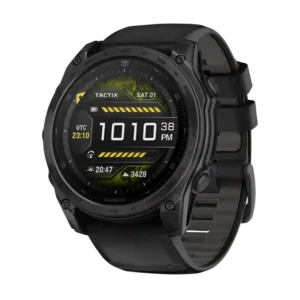
Stress tracking was described as useful for personalized relaxation and emotional management rather than just a passive metric.
Pros: battery life, durability
Cons: value for money, band quality
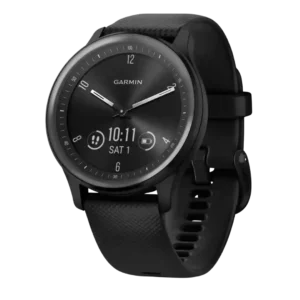
Stress tracking was usually useful as a wellness signal, but reviewers did not treat it as perfect, and one found it unlikely to match feelings accurately.
Pros: value for money, style and design
Cons: battery life, display quality
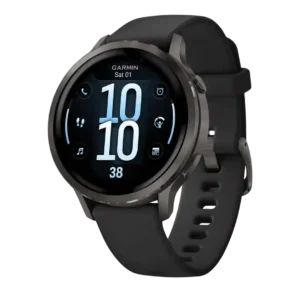
Stress and lifestyle-related tracking was useful in concept, but reviewers split on the manual logging burden and whether they would keep using it.
Pros: battery life, GPS accuracy
Cons: value for money, voice assistant quality
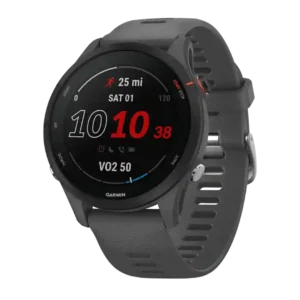
Stress tracking was weakly received in the available opinionated evidence, with one reviewer saying the data did not feel interesting or useful.
Pros: GPS accuracy, battery life
Cons: smartphone notifications, mapping and navigation