Best for brightness
Tag Heuer Connected Calibre E4
5.0 attribute score
Highest scored product for this attribute based on supporting review evidence.

Highest scored product for this attribute based on supporting review evidence.
Balances the attribute score, supporting reviews, and overall product strength.
Has the broadest review evidence for this attribute.
Strongest overall product among items with scored evidence for this attribute.
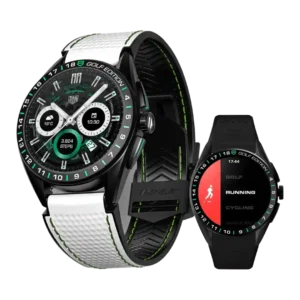
Brightness is strongly praised, especially the vivid dials and bright AMOLED screen.
Pros: style and design, battery life
Cons: value for money, heart rate accuracy
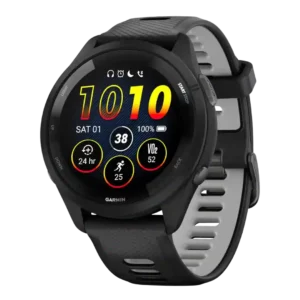
Brightness was strongly praised, with reviewers finding the AMOLED display vivid, clear, and easy to read.
Pros: battery life, value for money
Cons: mapping and navigation, smartwatch features
The 3,000-nit display is extremely bright outdoors and remains easy to see in demanding lighting.
Pros: battery life, value for money
Cons: data privacy, comfort
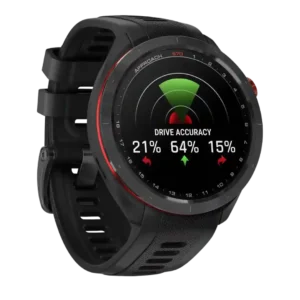
Brightness is strongly praised, with reviewers highlighting vivid colors, clarity, and easy readability.
Pros: display quality, value for money
Cons: charging convenience, smartphone notifications
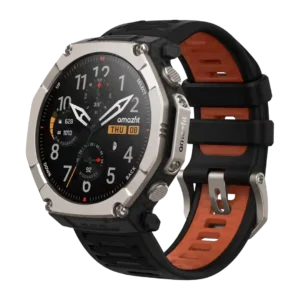
Brightness was excellent, with reviewers finding the screen crisp and easy to see outdoors.
Pros: battery life, value for money
Cons: heart rate accuracy, comfort
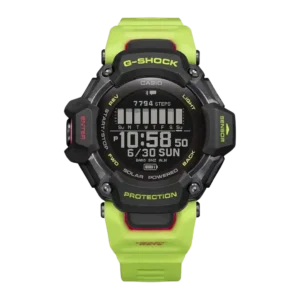
Brightness and backlight impressions were very positive where reviewers mentioned them.
Pros: comfort, battery life
Cons: companion app quality, value for money
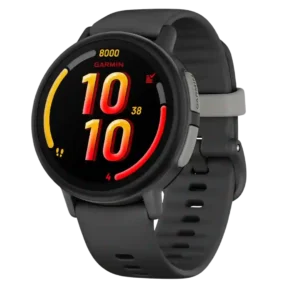
The AMOLED panel is bright and colorful, making the interface lively and easy to see. It is a substantial visual improvement over the older screen.
Pros: smartwatch features, safety features
Cons: value for money, call handling
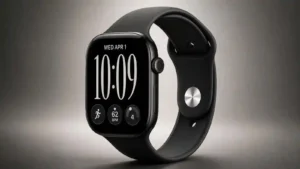
Brightness is more than sufficient for everyday use, with the display reaching a very high peak while still dimming comfortably at night.
Pros: value for money, heart rate accuracy
Cons: data privacy
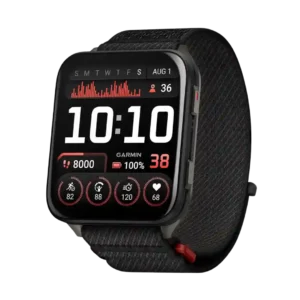
One reviewer specifically praised the screen brightness as a major reason notifications and workout data were easy to read.
Pros: display quality, comfort
Cons: battery life, value for money
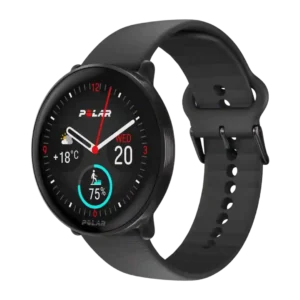
Brightness had limited but very positive evidence, with one reviewer calling the display Polar’s most brilliant to date.
Pros: display quality, coaching features
Cons: value for money, battery life
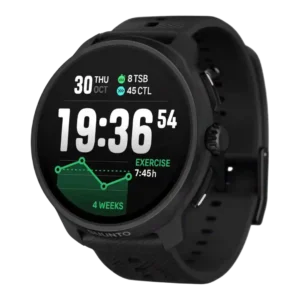
Brightness received explicit praise, with one reviewer calling the display brightness unusually strong.
Pros: GPS accuracy, heart rate accuracy
Cons: smartwatch features, recovery insights
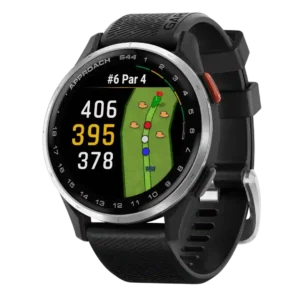
Brightness was praised in the video reviews, with reviewers calling the screen bright, vibrant, and one of Garmin's standout strengths.
Pros: display quality, value for money
Cons: smartwatch features, coaching features
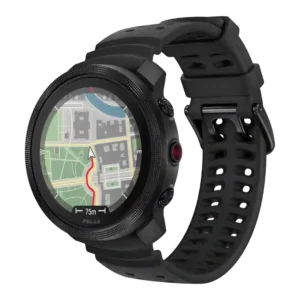
Brightness is excellent, with reviewers highlighting the screen as very bright and clear.
Pros: value for money, GPS accuracy
Cons: heart rate accuracy, companion app quality
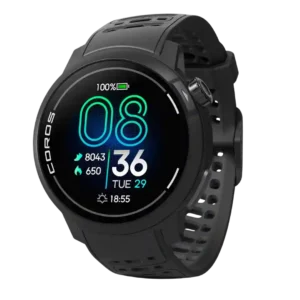
Brightness was consistently excellent, with reviewers praising the 1,500-nit AMOLED for night use, sunlight, and general readability.
Pros: battery life, GPS accuracy
Cons: heart rate accuracy, smartwatch features
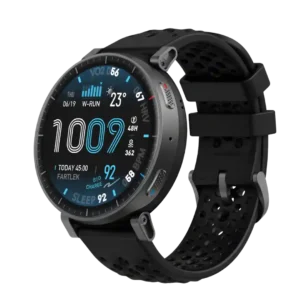
Brightness was one of the strongest attributes, with reviewers repeatedly praising 3,000-nit readability and outdoor clarity.
Pros: battery life, value for money
Cons: companion app quality, heart rate accuracy
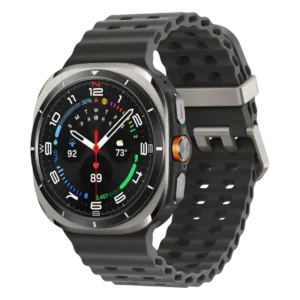
Brightness is one of the clearest strengths, with reviewers repeatedly noting bright output and easy readability.
Pros: battery life, display quality
Cons: value for money, antioxidant index
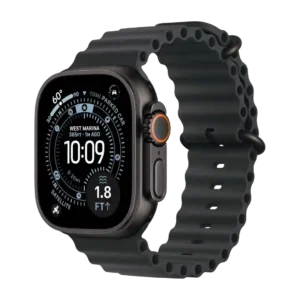
Brightness earned strong praise as the brightest display of any Apple Watch in the reviewed evidence.
Pros: battery life, heart rate accuracy
Cons: comfort, value for money

Reviewers consistently found the AMOLED display bright and vivid enough for normal use, including direct sunlight, even though Garmin’s pricier watches can get brighter.
Pros: value for money, GPS accuracy
Cons: mapping and navigation, third-party app support
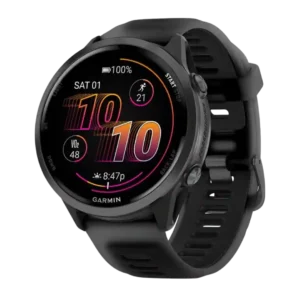
Brightness was one of the strongest points, with reviewers repeatedly praising the brighter AMOLED panel and outdoor readability.
Pros: heart rate accuracy, GPS accuracy
Cons: value for money, mapping and navigation
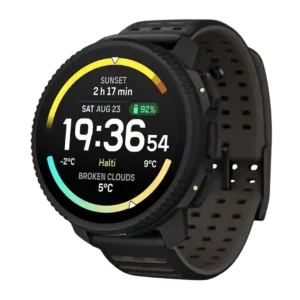
Brightness was strongly praised, with reviewers emphasizing the 2,000-nit output and easy readability in bright conditions.
Pros: battery life, flashlight usefulness
Cons: companion app quality, onboard music storage

Brightness receives very strong praise, with reviewers highlighting readability, 3,000-nit output, and performance in direct sun.
Pros: value for money, battery life
Cons: heart rate accuracy, third-party app support

The 5,000-nit panel is consistently praised as exceptionally bright, even if some consider that level more than most situations require. Its extra headroom becomes genuinely useful in harsh sun and...
Pros: battery life, comfort
Cons: value for money, charging speed
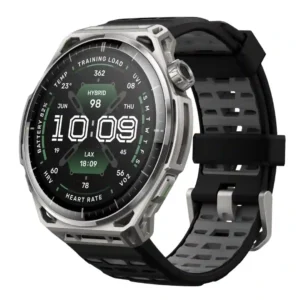
The 3,000-nit AMOLED was repeatedly praised as exceptionally bright. Workout data remained easy to read in strong sunlight, making the screen a major outdoor advantage.
Pros: battery life, brightness
Cons: fit, third-party app support
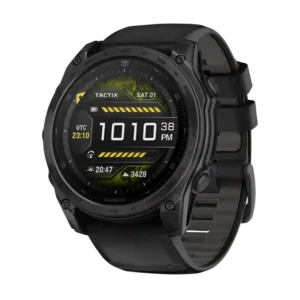
Brightness was strongly positive, with reviewers calling the screen brighter, crisper, adaptive, and easy to see.
Pros: battery life, durability
Cons: value for money, band quality
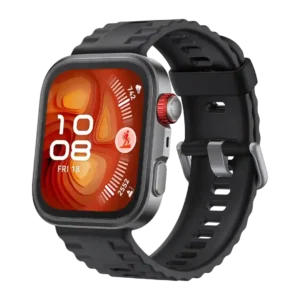
Brightness was a strong consensus point, with reviewers praising outdoor readability and the very bright screen.
Pros: battery life, value for money
Cons: contactless payments, sleep tracking accuracy
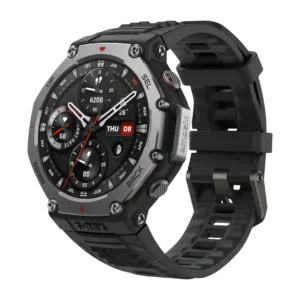
Brightness was consistently praised, especially the high-nit AMOLED screen for outdoor and sunny use.
Pros: value for money, mapping and navigation
Cons: heart rate accuracy, recovery insights
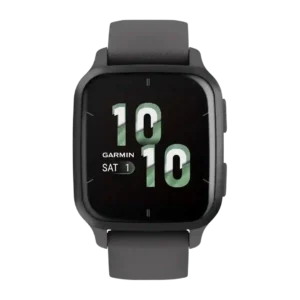
Brightness received strong praise, including good night visibility and readable outdoor brightness.
Pros: battery life, display quality
Cons: smartwatch features, style and design
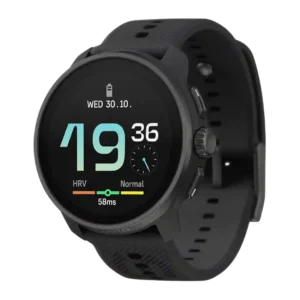
Brightness is consistently praised, with reviewers describing the screen as bright, vibrant, and easy to view in demanding conditions.
Pros: value for money, battery life
Cons: heart rate accuracy, onboard music storage
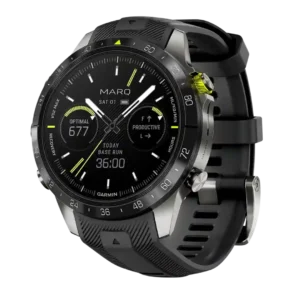
Brightness was widely praised, with reviewers emphasizing vivid AMOLED contrast and easy viewing.
Pros: display quality, battery life
Cons: value for money, smartphone notifications
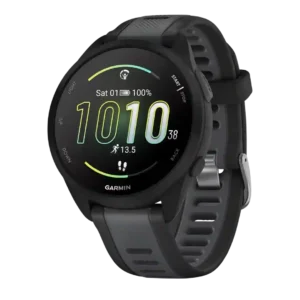
Brightness was strongly praised in sunlight and adaptive lighting conditions.
Pros: value for money, GPS accuracy
Cons: recovery insights, onboard music storage
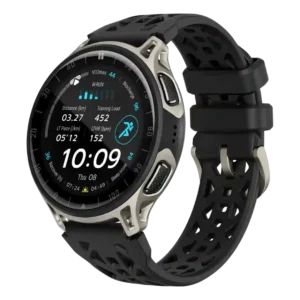
Brightness was consistently praised, with reviewers calling the 3,000-nit display highly readable in sun and a major visibility advantage.
Pros: GPS accuracy, battery life
Cons: band quality, smartwatch features
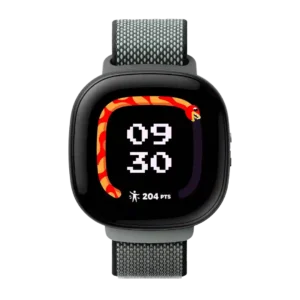
Brightness is strong, with reviewers saying the display was bright enough for daylight and outdoor use.
Pros: coaching features, value for money
Cons: battery life
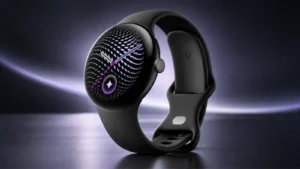
Brightness is consistently excellent, with 3,000-nit peak output making the watch easy to read in harsh daylight and bright outdoor conditions.
Pros: software smoothness, style and design
Cons: value for money, wellness insights
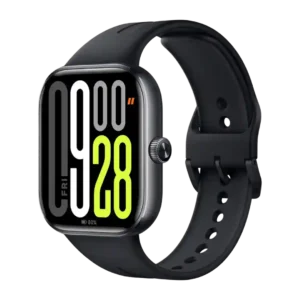
Brightness is widely praised, with reviewers repeatedly calling the AMOLED panel bright enough for outdoor use and high peak brightness.
Pros: battery life, display quality
Cons: smartphone notifications, sleep tracking accuracy
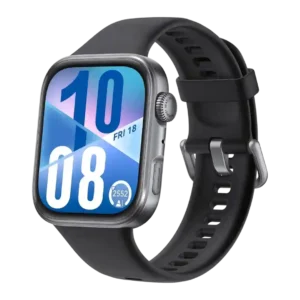
Brightness was widely praised, especially the 2,000-nit AMOLED panel and its clear outdoor readability.
Pros: value for money, battery life
Cons: companion app quality, contactless payments
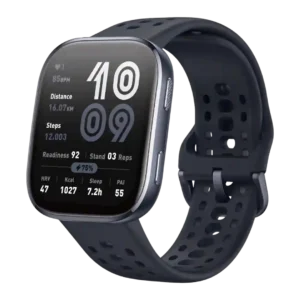
Brightness was widely praised, with reviewers repeatedly pointing to the 2,000-nit AMOLED screen and easy readability in most conditions.
Pros: value for money, battery life
Cons: voice assistant quality, sleep tracking accuracy
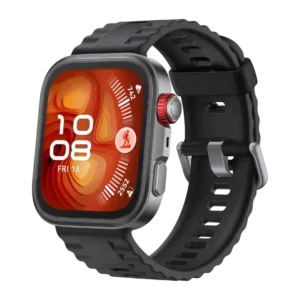
Brightness was praised in most reviews thanks to the 2,000-nit AMOLED display, though one reviewer found the screen experience less satisfying than the specs suggested.
Pros: battery life, value for money
Cons: third-party app support, onboard music storage
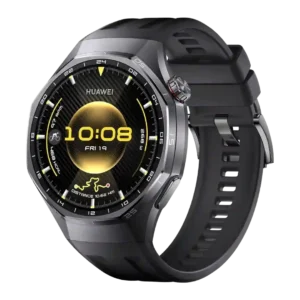
Brightness was excellent outdoors, though one reviewer noted the minimum brightness could still be too high in dark environments.
Pros: battery life, GPS accuracy
Cons: contactless payments, app ecosystem
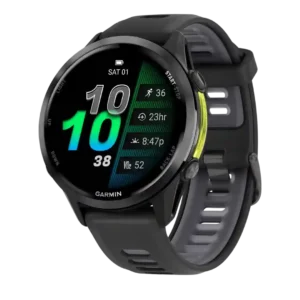
Brightness was a standout improvement across reviews, making the display easy to read in tough conditions but contributing to battery tradeoffs.
Pros: heart rate accuracy, GPS accuracy
Cons: battery life, value for money
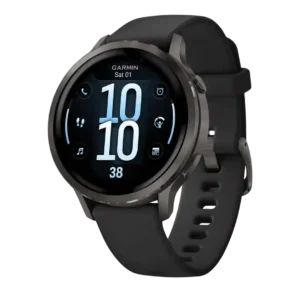
Brightness was a clear strength, with reviewers noting the brighter screen and easy readability.
Pros: battery life, GPS accuracy
Cons: value for money, voice assistant quality
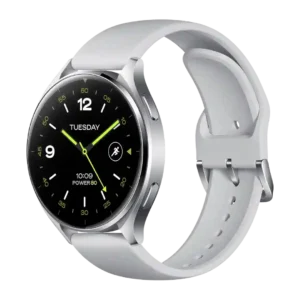
Brightness was praised as sufficient, including in direct sun or sunny-day use.
Pros: value for money, smartphone notifications
Cons: battery life, operating system experience
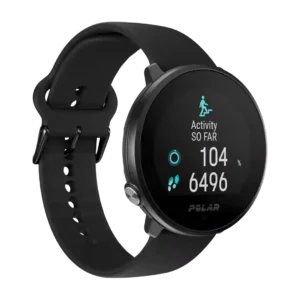
Brightness is mostly praised, but one reviewer criticized the rise-to-wake/backlight behavior enough to lower the overall view.
Pros: value for money, battery life
Cons: band quality, charging convenience
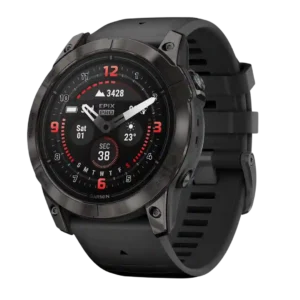
Brightness is strong, with reviewers saying the display is easier to see and remains bright and clear outdoors.
Pros: battery life, GPS accuracy
Cons: user interface, fit
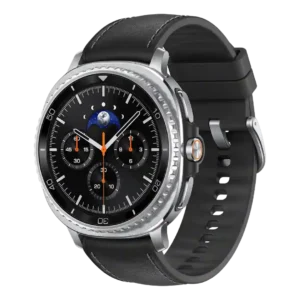
Brightness was a clear strength, with reviewers praising the move to 3,000 nits and strong direct-sunlight readability.
Pros: comfort, voice assistant quality
Cons: battery life, antioxidant index
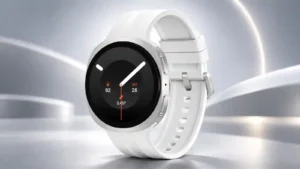
The 3,000-nit panel is consistently praised as bright enough for outdoor use. Even reviewers comparing it with brighter Ultra hardware generally consider the Watch 9's brightness more than sufficient.
Pros: software smoothness, wellness insights
Cons: battery life, charging speed
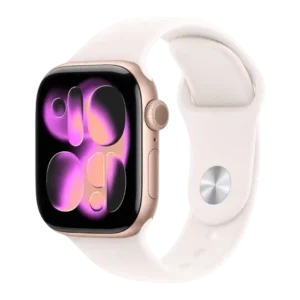
Brightness is strong at 2,000 nits and works well outdoors, although one reviewer wished it matched brighter rivals.
Pros: battery life, value for money
Cons: coaching features, recovery insights
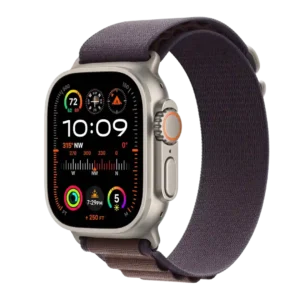
Brightness was praised for the 3,000-nit upgrade and outdoor readability, though a few reviewers found the improvement subtle in practice.
Pros: battery life, voice assistant quality
Cons: value for money, mapping and navigation
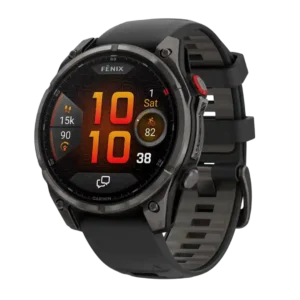
Brightness was repeatedly praised, with reviewers calling the screen brighter, easier to read, and very crisp.
Pros: LTE connectivity, battery life
Cons: value for money, safety features

The AMOLED panel is bright enough for outdoor training and everyday use, even if it does not match Garmin’s premium displays. Medium brightness can preserve battery without sacrificing much legibility.
Pros: battery life, value for money
Cons: mapping and navigation, smartwatch features
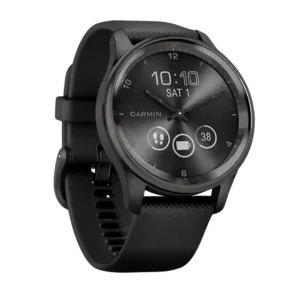
Brightness was mostly praised as a large improvement, but automatic brightness could lag in bright conditions.
Pros: style and design, charging convenience
Cons: battery life, charging speed