If you want better workout tracking variety
Choose Garmin Forerunner 965. It scores 4.8 vs 4.1 for workout tracking variety, with a 3.9 overall score.

Choose it for a class-leading outdoor display, two-to-three-day battery life, rugged diving-ready hardware, and a full Wear OS experience. Skip it if the 47mm size, $699 price, slow proprietary charging, or Samsung-phone health restrictions outweigh those strengths.
Android users who want a rugged, premium smartwatch with a superb outdoor display, multi-day battery life, LTE, and serious trail or diving features. It is especially compelling for Galaxy-phone owners who can access the full health feature set.
Small-wrist users, value-focused buyers, and endurance athletes who prioritize weeklong battery life, advanced mapping, or native chest-strap support should look elsewhere. Non-Samsung Android owners should also check which health features they would lose.
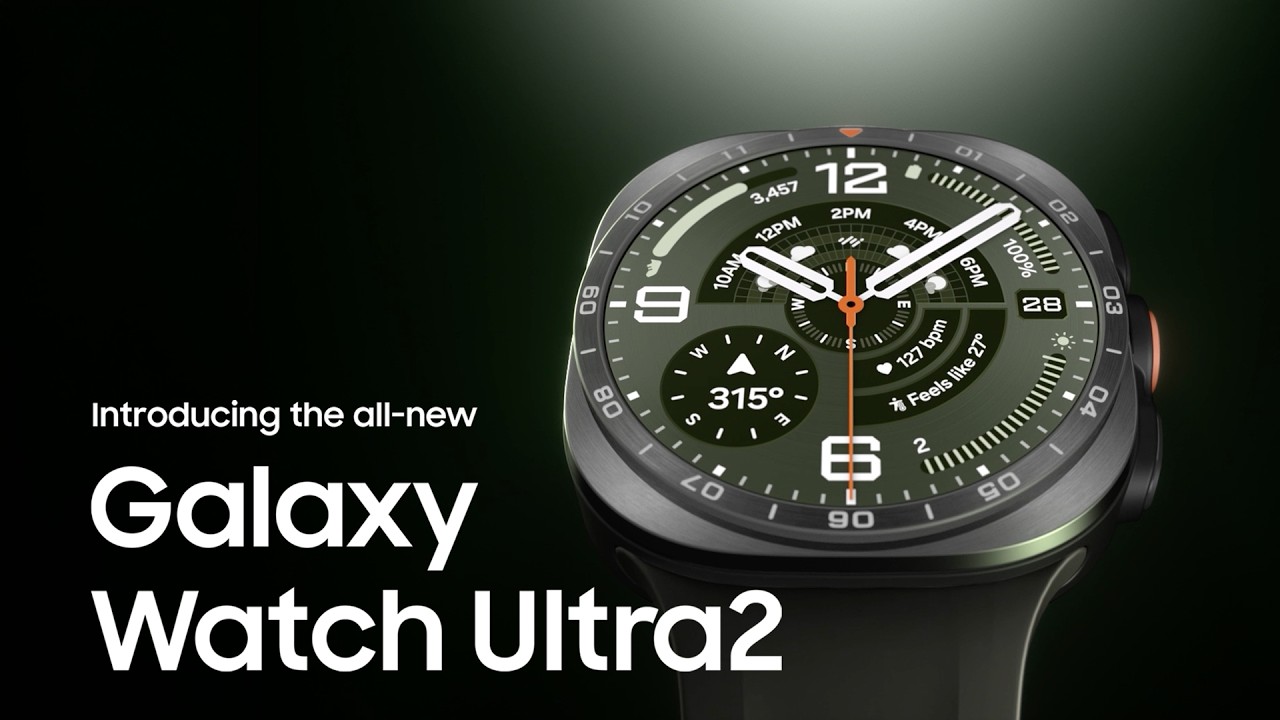
The Galaxy Watch Ultra 2 is Samsung’s most complete outdoor-focused smartwatch yet. Its 5,000-nit display is exceptional in sunlight, battery life commonly stretches across two to three days, and the thinner case plus softer bands make this generation far easier to wear. Wear OS, Gemini, LTE, strong apps, accurate GPS, and broad health tracking also make it a more capable everyday smartwatch than many dedicated sports watches. The tradeoff is specialization without complete sports-watch depth: charging is often slow, mapping and external-sensor support lag Garmin-style rivals, sleep and step tracking can be inconsistent, and several health functions still favor Galaxy phones. At $699, its premium makes the most sense when battery, durability, diving, trail features, and outdoor visibility will actually be used.
Compared with other Smartwatches, this product is above average in contactless payments, onboard music storage, voice assistant quality, near average in battery life, comfort, below average in running power support, reliability, size options.
| Attribute | This product | Category average | Difference |
|---|---|---|---|
| running power support | 1.0 | 3.6 | -2.6 |
| contactless payments | 4.8 | 2.8 | +2.0 |
| onboard music storage | 4.9 | 2.9 | +2.0 |
| voice assistant quality | 4.6 | 3.1 | +1.5 |
| third-party app support | 5.0 | 3.2 | +1.8 |
| calorie tracking usefulness | 5.0 | 3.2 | +1.8 |
| reliability | 2.0 | 3.7 | -1.7 |
| smartwatch features | 4.8 | 3.5 | +1.3 |
Choose Garmin Forerunner 965. It scores 4.8 vs 4.1 for workout tracking variety, with a 3.9 overall score.
Choose Xiaomi Watch 2 Pro. It scores 4.8 vs 3.1 for charging speed, with a 3.8 overall score.
Choose Samsung Galaxy Watch 6. It scores 5.0 vs 4.6 for voice assistant quality, with a 4.0 overall score.
Choose Huawei Watch GT 6 Pro. It scores 4.7 vs 4.3 for heart rate accuracy, with a 4.0 overall score.
Products reviewers directly compared with this model, grouped into quick takeaways.
Most testing lands around two to three days with typical smartwatch use, with some lighter-use results stretching longer. Heavy GPS, navigation, LTE, and bright-display use can reduce that significantly.
It is noticeably thinner and easier to wear than the first Ultra, but the single 47mm case is still large. Several small-wrist testers found it wearable, while others considered it too bulky, especially for sleep.
It is excellent as a smartwatch with strong GPS, health tracking, trail tools, and broad workout support, but serious athletes may miss deeper mapping, longer battery life, running-power support, and native external-sensor pairing.
Yes for some functions. ECG, blood-pressure monitoring, sleep-apnea features, and certain Samsung integrations can require a compatible Galaxy phone even though much of the watch works with other Android phones.
Results vary widely, but full charges commonly take around 90 minutes to two hours. Short top-ups can be useful, yet proprietary charging and inconsistent speed are recurring complaints.
The hardware is 10ATM, IP69K, and EN13319 certified, and it can track depth, water temperature, and dive time. Some advanced diving-app functionality was not available at launch in several tests.
These are a few of the reviews included in our analysis.

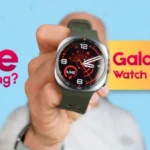
The Galaxy Watch Ultra2 runs on the latest Wear OS 7-based One UI Watch 9 software. Visually and navigation-wise, the OS is nearly identical...
Looks-wise, the Galaxy Watch Ultra2 isn't much different from its predecessor. In fact, nearly all design traits have been ported to the...
I am so done with smartwatches that you need to charge every night, and the Galaxy Watch Ultra 2 is a blessing.
I've had Samsung Galaxy Watch Ultra 2 on my wrist for about a month and it's one of the best Wear OS smartwatch available in the market right...
Our Samsung Galaxy Watch Ultra2 review weighs its 800mAh battery, bright display, trail tools and $699.99 price against the Galaxy Watch9 for...

Best for long battery life, accurate GPS and useful offline maps at a strong price. Skip it if you need payments, richer apps, a built-in LED flashlight or polished smartwatch...
Pros: mapping and navigation, value for money
Cons: smartwatch features, contactless payments

Best for accurate run tracking, deep Garmin coaching and phone-free Spotify in a light package. Skip it if you need full maps, triathlon mode, Apple Music support or the strongest...
Pros: value for money, GPS accuracy
Cons: mapping and navigation, third-party app support

Good if you want premium running features, long battery life, and maps for under $200. Skip it if you need flawless heart-rate data, multiband GPS, LTE, or richer app support.
Pros: value for money, battery life
Cons: heart rate accuracy, third-party app support

Best for accurate running metrics, excellent coaching tools, a bright AMOLED display, and dependable battery life. Skip it if you need offline maps, music storage, contactless payments, multi-band GPS, or...
Pros: battery life, value for money
Cons: mapping and navigation, smartwatch features