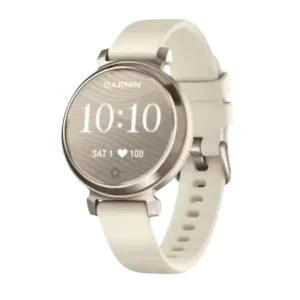
Stress tracking is one of the standout wellness features, repeatedly described as great, enjoyable, or excellent.
Pros: battery life, style and design
Cons: sleep tracking accuracy, workout tracking variety

Stress tracking is one of the standout wellness features, repeatedly described as great, enjoyable, or excellent.
Pros: battery life, style and design
Cons: sleep tracking accuracy, workout tracking variety
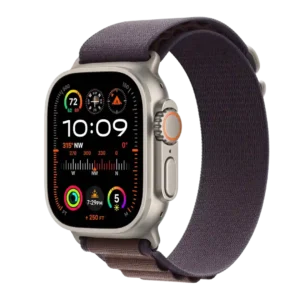
Mood and mindfulness tools were viewed positively when reviewers discussed clearing the mind or logging moods, though this evidence is more about mindfulness than advanced stress analytics.
Pros: battery life, voice assistant quality
Cons: value for money, mapping and navigation
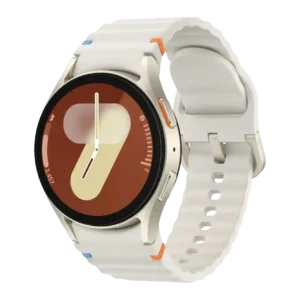
Stress tracking has light but positive evidence, with reviewers noting stress-level tracking and AI use of stress contribution in wellness scores.
Pros: value for money, wellness insights
Cons: battery life, cross-platform compatibility
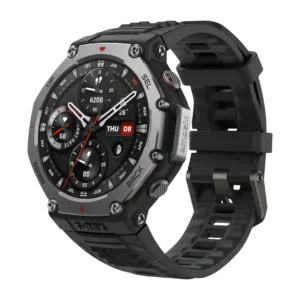
Stress-related HRV data was judged comparable in one review, but this area had limited direct evaluation.
Pros: value for money, mapping and navigation
Cons: heart rate accuracy, recovery insights
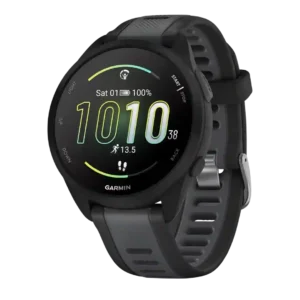
Stress tracking was mentioned as part of the watch's helpful health-glance system for knowing when to ease off.
Pros: value for money, GPS accuracy
Cons: recovery insights, onboard music storage

Stress tracking is viewed as a useful interpretive metric, especially because it helps explain Body Battery changes.
Pros: battery life, GPS accuracy
Cons: onboard music storage, mapping and navigation
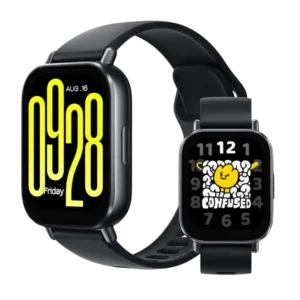
Stress tracking was treated as part of the watch’s useful essential health-monitoring package rather than a deeply analyzed feature.
Pros: call handling, smartwatch features
Cons: display quality, value for money
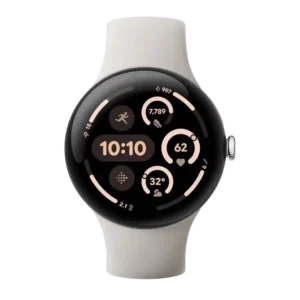
Stress tracking drew mixed reactions: some reviewers liked cEDA/body-response alerts, while others felt Fitbit still does not explain stress triggers or actions clearly enough.
Pros: battery life, display quality
Cons: GPS accuracy, charging convenience
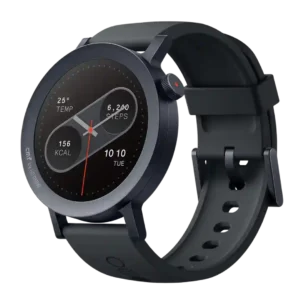
Stress tracking evidence was mixed, with some reviewers seeing broad alignment while another found consistently low or inaccurate stress readings.
Pros: value for money, battery life
Cons: GPS accuracy, sleep tracking accuracy
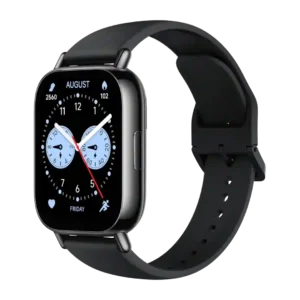
Stress tracking was present and usable, but reviewers treated it cautiously because one saw very different readings and another advised using health data only for reference.
Pros: display quality, battery life
Cons: sleep tracking accuracy, voice assistant quality
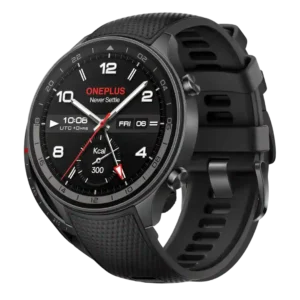
Stress tracking drew mixed-to-negative reactions: one review found it broadly plausible, while others called it basic or unconvincing.
Pros: battery life, value for money
Cons: companion app quality, charging convenience
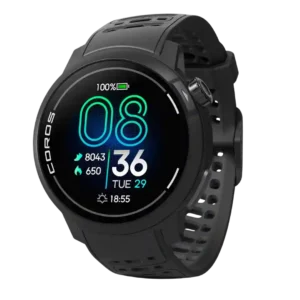
Stress tracking was criticized in the one opinionated review because workouts appeared as stress regardless of whether the activity felt enjoyable.
Pros: battery life, GPS accuracy
Cons: heart rate accuracy, smartwatch features
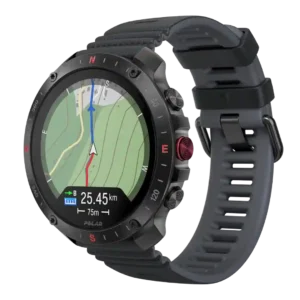
Stress/wellness breathing support was described as basic.
Pros: GPS accuracy, mapping and navigation
Cons: value for money, companion app quality
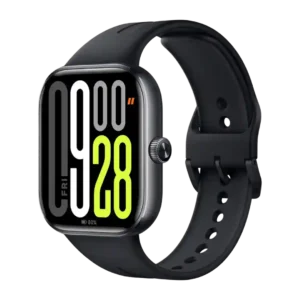
Stress tracking was criticized in one review as slow and sensitive to movement, making continuous tracking less reliable.
Pros: battery life, display quality
Cons: smartphone notifications, sleep tracking accuracy
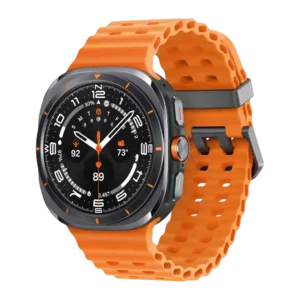
Stress tracking was weak in the available evidence, with one review calling it an afterthought and another saying it made them more stressed.
Pros: battery life, sleep tracking accuracy
Cons: wellness insights, style and design