Best for ECG functionality
Apple Watch Series 11
4.8 attribute score
Highest scored product for this attribute based on supporting review evidence.

Highest scored product for this attribute based on supporting review evidence.
Balances the attribute score, supporting reviews, and overall product strength.
Has the broadest review evidence for this attribute.
Strongest overall product among items with scored evidence for this attribute.
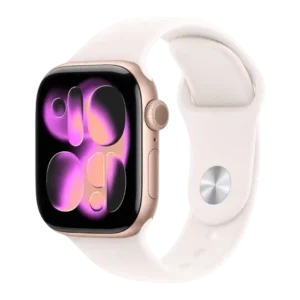
The ECG feature receives strong support from a reviewer’s real family example where on-watch ECG readings caught an irregular rhythm missed elsewhere.
Pros: battery life, value for money
Cons: coaching features, recovery insights
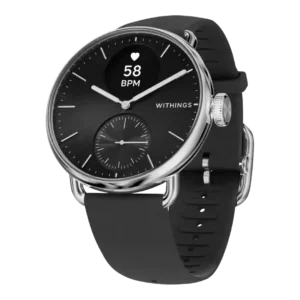
ECG functionality was consistently praised as simple, useful, medically oriented, and easy to share with a doctor.
Pros: style and design, battery life
Cons: smartwatch features, value for money
The expanded sensing surface appears to improve ECG capture, including a smoother experience for one user who had trouble with an older Apple Watch.
Pros: value for money, heart rate accuracy
Cons: data privacy
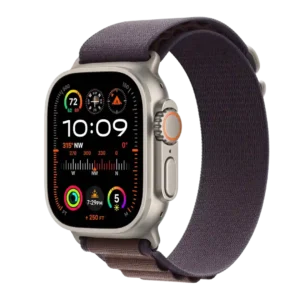
ECG was treated as part of Apple Watch’s serious health-safety suite, with reviewers connecting it to potentially life-saving monitoring.
Pros: battery life, voice assistant quality
Cons: value for money, mapping and navigation
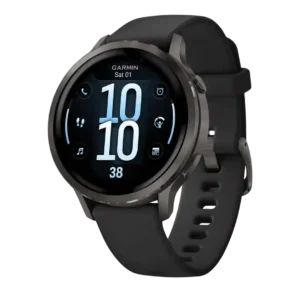
The ECG feature received limited but positive opinionated evidence, with one reviewer saying the wrist measurement worked reliably.
Pros: battery life, GPS accuracy
Cons: value for money, voice assistant quality
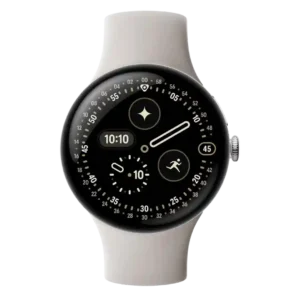
ECG was treated as a valuable health and safety tool when reviewers discussed the health feature set.
Pros: battery life, charging speed
Cons: band quality, button controls
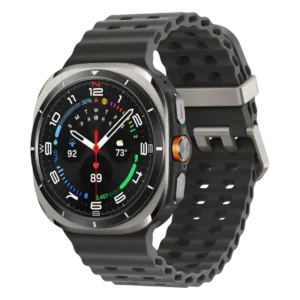
ECG is treated positively as part of Samsung Health Monitor’s useful health-tool set rather than as a deeply tested medical feature.
Pros: battery life, display quality
Cons: value for money, antioxidant index
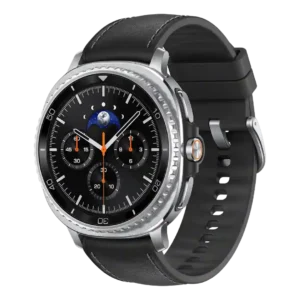
ECG functionality was viewed as dependable and easy to use, with reviewers noting accessible readings and clear reports.
Pros: comfort, voice assistant quality
Cons: battery life, antioxidant index
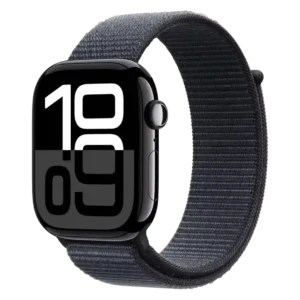
ECG was treated as a mature health function that continued to work seamlessly rather than a major new upgrade.
Pros: charging speed, display quality
Cons: battery life, water resistance
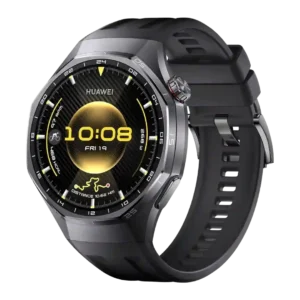
ECG was viewed as useful and easy enough to access, though some evidence focused on availability and reporting rather than medical certainty.
Pros: battery life, GPS accuracy
Cons: contactless payments, app ecosystem
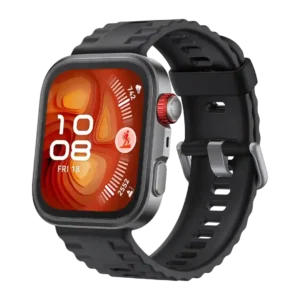
ECG support helped justify the Pro tier and often worked well, though one reviewer wanted more educational context around the readings.
Pros: battery life, value for money
Cons: contactless payments, sleep tracking accuracy
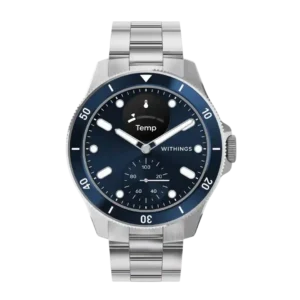
ECG functionality was usually praised as easy, useful, or medically meaningful, though one reviewer noted setup delays and another found it movement-sensitive.
Pros: battery life, style and design
Cons: value for money, charging convenience

ECG readings generally worked as expected and one comparison produced results similar to a dedicated Kardia device. It remains a wellness feature rather than a substitute for clinical diagnostic equipment.
Pros: battery life, comfort
Cons: value for money, charging speed
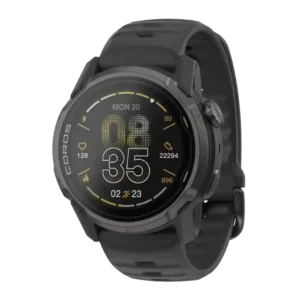
The ECG-based Wellness Check is praised as a useful manual HRV reading option rather than a full medical ECG feature.
Pros: GPS accuracy, battery life
Cons: display quality, brightness
ECG remains one of the more immediately useful health tools, especially compared with newer trend-based metrics that need longer baselines.
Pros: software smoothness, style and design
Cons: value for money, wellness insights
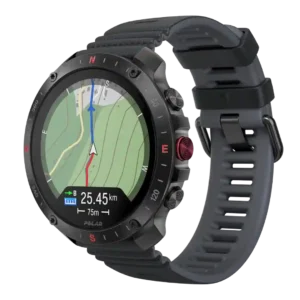
ECG was viewed as useful for intentional HRV readings rather than full medical-grade detection.
Pros: GPS accuracy, mapping and navigation
Cons: value for money, companion app quality
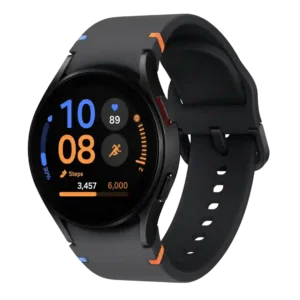
The ECG app was treated as a meaningful differentiator against similarly priced competitors, though the reviews did not deeply test ECG accuracy.
Pros: smartwatch features, health tracking accuracy
Cons: value for money, software smoothness
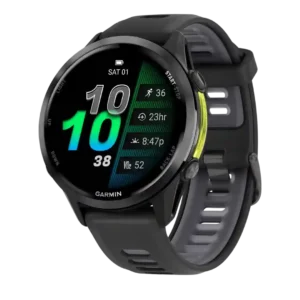
ECG was generally seen as a meaningful premium health addition, though reviewers stressed it is manual, sometimes a hassle to enable, and not continuous monitoring.
Pros: heart rate accuracy, GPS accuracy
Cons: battery life, value for money
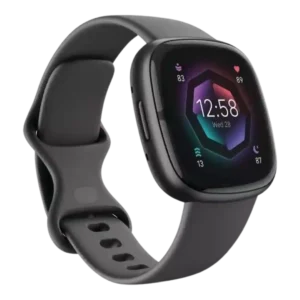
ECG is viewed as useful for spotting irregular rhythm or saving readings, but reviewers also note manual use and non-medical limitations.
Pros: battery life, stress tracking
Cons: value for money, GPS accuracy
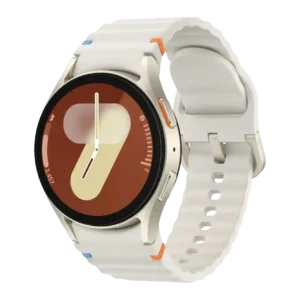
ECG functionality is considered reliable where available, but reviewers noted it is tied to Samsung-phone requirements.
Pros: value for money, wellness insights
Cons: battery life, cross-platform compatibility
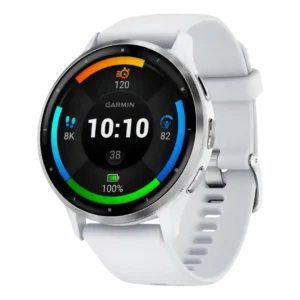
ECG evidence is mixed by review timing: some reviews found it unavailable or finicky, while later evidence notes FDA-approved on-device ECG readings.
Pros: battery life, GPS accuracy
Cons: smartwatch features, smartphone notifications
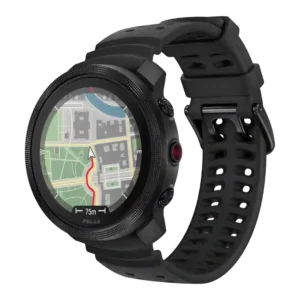
ECG is useful as a sensor feature, but reviewers note it lacks diagnostic Afib support.
Pros: value for money, GPS accuracy
Cons: heart rate accuracy, companion app quality
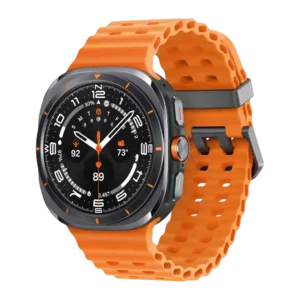
ECG evidence was limited and lukewarm, with one reviewer finding it interesting but not personally necessary.
Pros: battery life, sleep tracking accuracy
Cons: wellness insights, style and design
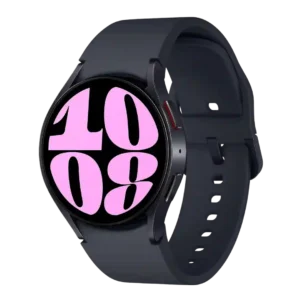
ECG functionality was seen as potentially valuable but limited by Samsung-phone restrictions, confusing result presentation, and low personal usefulness for some reviewers.
Pros: software smoothness, comfort
Cons: battery life, GPS accuracy
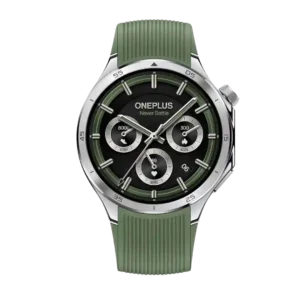
ECG was a major regional caveat: reviewers liked or valued the feature where available, but repeatedly criticized its absence in the US or North America.
Pros: battery life, button controls
Cons: size options, ECG functionality
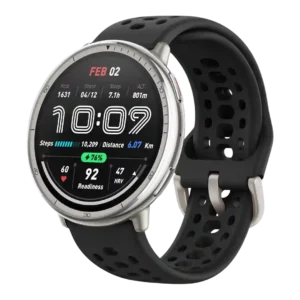
Reviewers noted the lack of ECG as an expected limitation for this price rather than a surprising omission.
Pros: value for money, battery life
Cons: band quality, button controls
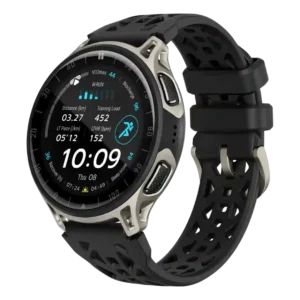
ECG functionality was a weakness because reviewers noted the feature is absent and that Garmin offers superior ECG-related capability.
Pros: GPS accuracy, battery life
Cons: band quality, smartwatch features
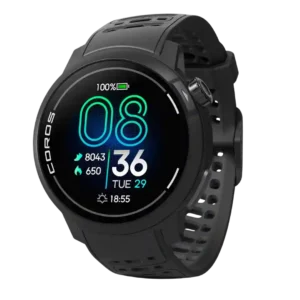
ECG was treated as limited because reviewers emphasized that it is not medically certified and should not be used as a medical device.
Pros: battery life, GPS accuracy
Cons: heart rate accuracy, smartwatch features
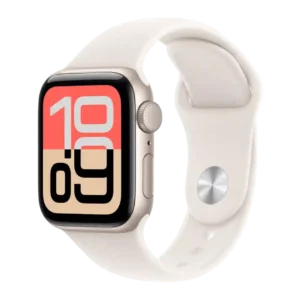
ECG was the most repeated missing health feature, often framed as the main reason some higher-risk buyers might step up to the Series line.
Pros: display quality, value for money
Cons: ECG functionality, battery life
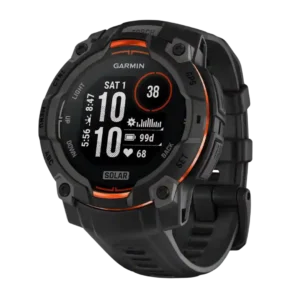
ECG functionality is a clear omission because reviewers criticize Garmin for using the older sensor platform without ECG support.
Pros: battery life, display quality
Cons: mapping and navigation, smartwatch features
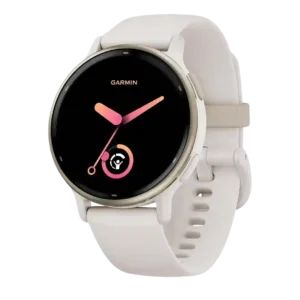
ECG scored low because reviewers noted the watch lacks ECG eligibility or requires accepting the missing feature.
Pros: value for money, GPS accuracy
Cons: sleep tracking accuracy, recovery insights
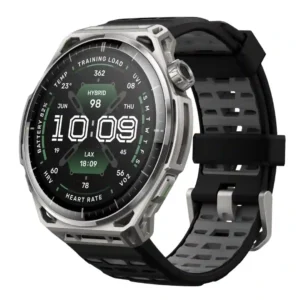
ECG remains absent because the watch retains the older BioTracker sensor generation. One reviewer considered this an overdue omission for the Balance line.
Pros: battery life, brightness
Cons: fit, third-party app support
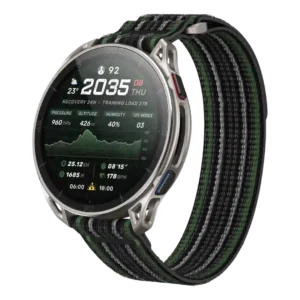
ECG is a clear missing health feature; one reviewer called its absence one of the few serious criticisms.
Pros: battery life, value for money
Cons: reliability
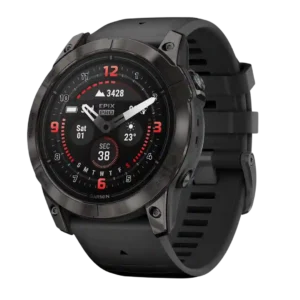
ECG functionality was treated as a drawback in the review evidence because the feature was built in but not available at the time of testing.
Pros: battery life, GPS accuracy
Cons: user interface, fit
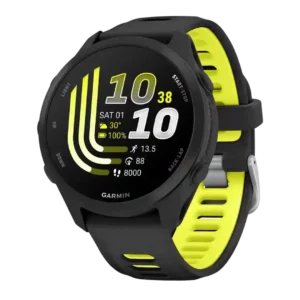
ECG is not available on the Forerunner 170, and reviewers note that buyers must move to a pricier Garmin to get it.
Pros: value for money, battery life
Cons: mapping and navigation, materials quality

ECG is a clear limitation: a reviewer explicitly wished Garmin had included the hardware for ECG-related features.
Pros: battery life, GPS accuracy
Cons: onboard music storage, mapping and navigation
ECG is useful as part of Samsung's broad health suite, but its Galaxy-phone requirement sharply limits access for users of other Android brands.
Pros: software smoothness, wellness insights
Cons: battery life, charging speed
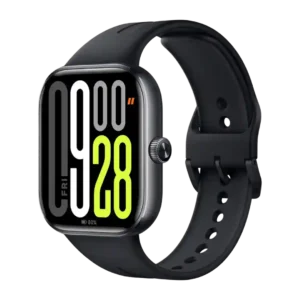
ECG functionality is missing, and one reviewer treated the absent advanced sensors as nice-to-have but not expected at the price.
Pros: battery life, display quality
Cons: smartphone notifications, sleep tracking accuracy
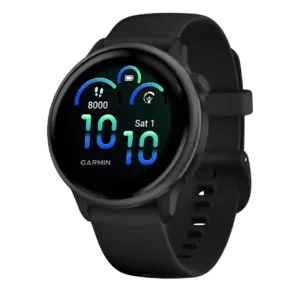
ECG is a clear limitation because reviewers repeatedly note that the Vivoactive 6 lacks ECG support compared with higher-end Garmin models.
Pros: battery life, comfort
Cons: heart rate accuracy, sleep tracking accuracy
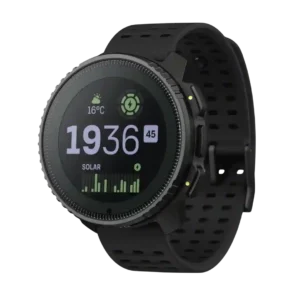
ECG was criticized by omission in a smartwatch-feature comparison because reviewers noted the Vertical lacks ECG functionality.
Pros: battery life, GPS accuracy
Cons: heart rate accuracy, value for money
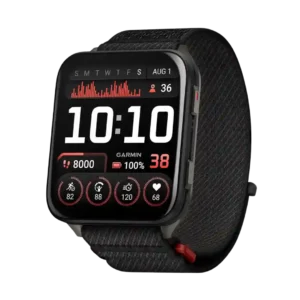
ECG was a repeated omission: multiple reviewers called its absence strange, frustrating, or a major gap at this price.
Pros: display quality, comfort
Cons: battery life, value for money
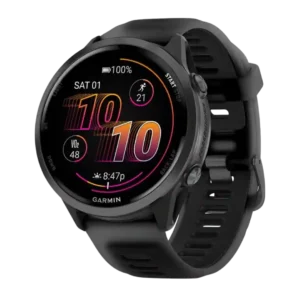
ECG functionality was one of the most criticized omissions because the Gen 5 sensor made reviewers expect ECG at this price.
Pros: heart rate accuracy, GPS accuracy
Cons: value for money, mapping and navigation
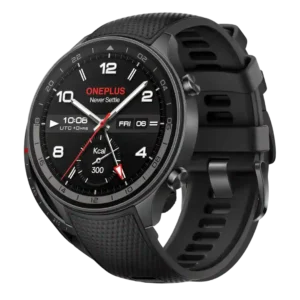
Reviewers repeatedly marked the lack of ECG as a notable omission, especially versus similarly priced or competing smartwatches.
Pros: battery life, value for money
Cons: companion app quality, charging convenience
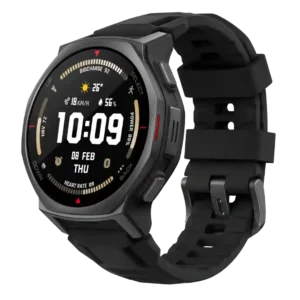
ECG functionality is a weakness because reviewers explicitly flagged ECG as missing or something that might put buyers off.
Pros: battery life, value for money
Cons: mapping and navigation, user interface
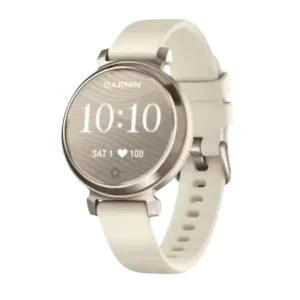
The absence of ECG is criticized as a gap, especially given the product’s price and female-focused positioning.
Pros: battery life, style and design
Cons: sleep tracking accuracy, workout tracking variety
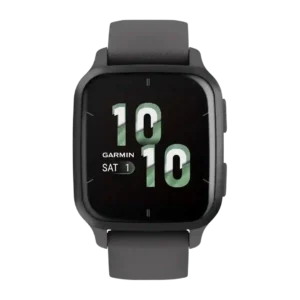
Reviewers treated ECG as a missing capability rather than a strength, noting the Venu Sq 2 did not officially include ECG functionality.
Pros: battery life, display quality
Cons: smartwatch features, style and design
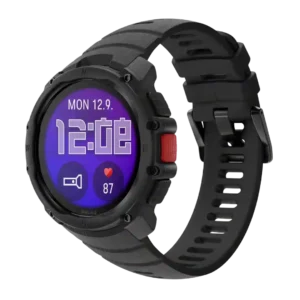
ECG was also a limitation: reviewers framed the missing ECG sensor as understandable at the price but still a downside for users who prioritize health metrics.
Pros: value for money, flashlight usefulness
Cons: user interface
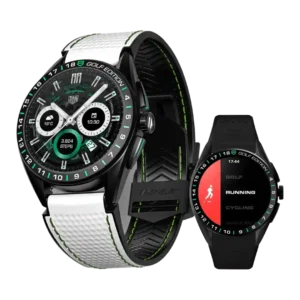
ECG functionality is scored low because reviewers described the lack of ECG as part of the watch's limited medical-style health feature set.
Pros: style and design, battery life
Cons: value for money, heart rate accuracy
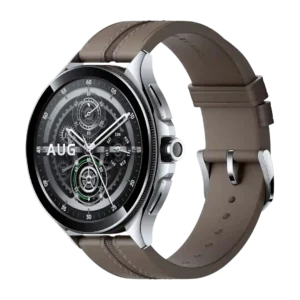
ECG support was scored poorly because reviewers explicitly noted that ECG functionality is absent despite related electrical sensors.
Pros: app ecosystem, battery life
Cons: size options, comfort
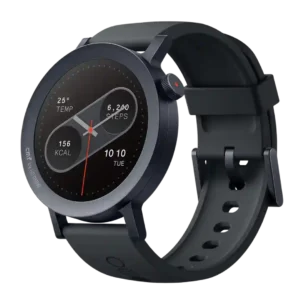
ECG support was treated as an absent advanced health feature, understandable at the price but still a limitation for serious health tracking.
Pros: value for money, battery life
Cons: GPS accuracy, sleep tracking accuracy