If you want better Bluetooth connectivity
Choose Xiaomi Watch 2 Pro. It scores 4.8 vs 2.0 for Bluetooth connectivity, with a 3.8 overall score.

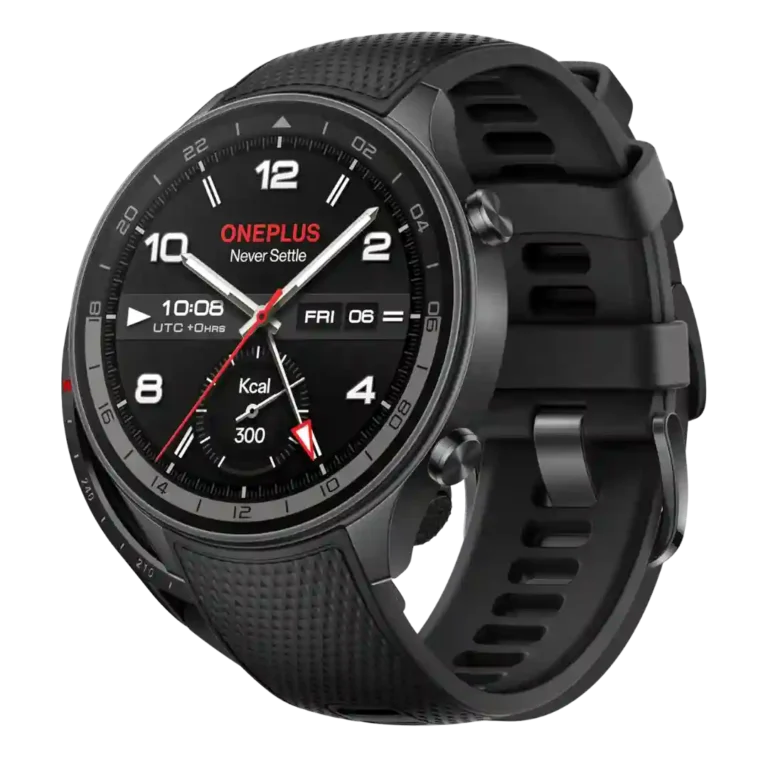
Choose the OnePlus Watch 2R for multi-day battery life, smooth Wear OS, a bright display and strong value. Skip it if you need a smaller watch, deeper health insights, LTE, ECG or fall detection.
Best for Android users who want a fast Wear OS smartwatch with excellent battery life, a large bright display, and strong app support at a lower price. It also suits casual fitness users who value GPS, heart-rate tracking, and basic sleep data more than advanced coaching.
Not for users with small wrists, dedicated athletes who need deeper training metrics, or anyone who depends on LTE, ECG, body temperature tracking, fall detection, or richer health insights. Reviewers also found OHealth too basic for long-term trend analysis.
The OnePlus Watch 2R earns its praise by keeping the parts reviewers liked most from the Watch 2: long battery life, fast performance, Wear OS apps, a bright AMOLED display, and a much lower price. The tradeoff is clear: it feels lighter and more affordable, but the downgraded materials, one large size, limited OHealth insights, and missing features like LTE, ECG, temperature tracking, and fall detection keep it from feeling fully premium. Fitness tracking looks much improved for casual runners and everyday workouts, especially GPS and heart-rate tracking, but serious athletes and small-wristed users may find the compromises more noticeable.
Compared with other Smartwatches, this product is above average in contactless payments, onboard music storage, third-party app support, near average in fitness tracking accuracy, button controls, below average in safety features, fit, wellness insights.
| Attribute | This product | Category average | Difference |
|---|---|---|---|
| safety features | 1.5 | 3.9 | -2.4 |
| fit | 1.8 | 3.9 | -2.1 |
| wellness insights | 2.1 | 4.0 | -2.0 |
| health tracking accuracy | 2.0 | 3.9 | -1.9 |
| contactless payments | 4.5 | 2.8 | +1.7 |
| Bluetooth connectivity | 2.0 | 3.7 | -1.7 |
| body temperature tracking | 1.5 | 3.1 | -1.6 |
| onboard music storage | 4.5 | 2.9 | +1.6 |
Choose Xiaomi Watch 2 Pro. It scores 4.8 vs 2.0 for Bluetooth connectivity, with a 3.8 overall score.
Choose OnePlus Watch 3. It scores 4.8 vs 2.6 for menu navigation, with a 4.0 overall score.
Choose Garmin Forerunner 265. It scores 4.6 vs 3.8 for fitness tracking accuracy, with a 4.0 overall score.
Choose Apple Watch Ultra 2. It scores 5.0 vs 1.5 for safety features, with a 3.9 overall score.
Products reviewers directly compared with this model, grouped into quick takeaways.
Reviewers strongly praised battery life, often reporting two to four days of real use depending on always-on display, GPS, sleep tracking, and other settings. It was repeatedly described as one of the biggest reasons to buy the watch.
It is good for casual workouts, running, GPS tracking, and heart-rate monitoring in most reviewer tests. It is less ideal for dedicated athletes who want deeper training load, richer long-term trends, or pinpoint accuracy.
That was one of the most common complaints. Reviewers liked the lighter body, but several still found the single large case too bulky or wished OnePlus offered a smaller size.
Reviewers generally found it usable, but basic. The repeated criticism was that it lacks deeper trends, coaching, backup polish, and richer health insights compared with Samsung, Fitbit, Apple, or Garmin apps.
No. Reviewers repeatedly called out missing ECG, LTE or eSIM, body temperature tracking, and fall detection as important omissions, especially against similarly priced competitors.
Yes. Reviewers consistently praised the AMOLED display, smooth Wear OS performance, app support, and responsive everyday operation, though some wished for a real rotating crown or better menu controls.
These are a few of the reviews included in our analysis.



Best for long battery life, accurate GPS and useful offline maps at a strong price. Skip it if you need payments, richer apps, a built-in LED flashlight or polished smartwatch...
Pros: mapping and navigation, value for money
Cons: smartwatch features, contactless payments

Best for accurate run tracking, deep Garmin coaching and phone-free Spotify in a light package. Skip it if you need full maps, triathlon mode, Apple Music support or the strongest...
Pros: value for money, GPS accuracy
Cons: mapping and navigation, third-party app support

Good if you want premium running features, long battery life, and maps for under $200. Skip it if you need flawless heart-rate data, multiband GPS, LTE, or richer app support.
Pros: value for money, battery life
Cons: heart rate accuracy, third-party app support

Best for accurate running metrics, excellent coaching tools, a bright AMOLED display, and dependable battery life. Skip it if you need offline maps, music storage, contactless payments, multi-band GPS, or...
Pros: battery life, value for money
Cons: mapping and navigation, smartwatch features