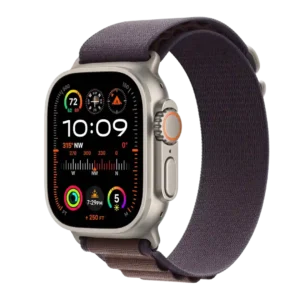
ECG was treated as part of Apple Watch’s serious health-safety suite, with reviewers connecting it to potentially life-saving monitoring.
Pros: battery life, voice assistant quality
Cons: value for money, mapping and navigation

ECG was treated as part of Apple Watch’s serious health-safety suite, with reviewers connecting it to potentially life-saving monitoring.
Pros: battery life, voice assistant quality
Cons: value for money, mapping and navigation
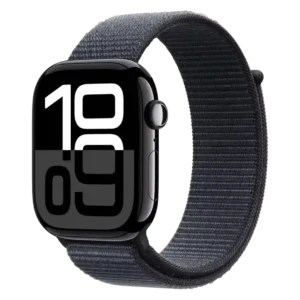
ECG was treated as a mature health function that continued to work seamlessly rather than a major new upgrade.
Pros: charging speed, display quality
Cons: battery life, water resistance
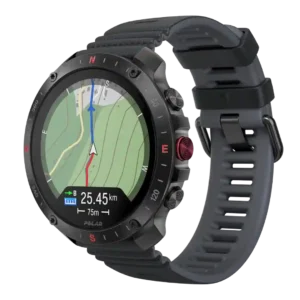
ECG was viewed as useful for intentional HRV readings rather than full medical-grade detection.
Pros: GPS accuracy, mapping and navigation
Cons: value for money, companion app quality
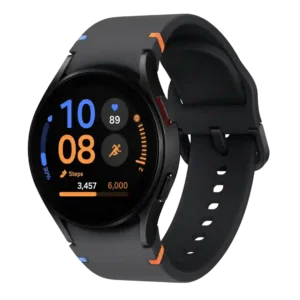
The ECG app was treated as a meaningful differentiator against similarly priced competitors, though the reviews did not deeply test ECG accuracy.
Pros: smartwatch features, health tracking accuracy
Cons: value for money, software smoothness
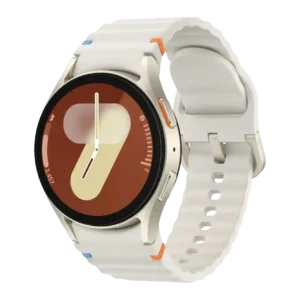
ECG functionality is considered reliable where available, but reviewers noted it is tied to Samsung-phone requirements.
Pros: value for money, wellness insights
Cons: battery life, cross-platform compatibility
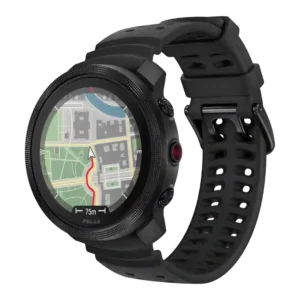
ECG is useful as a sensor feature, but reviewers note it lacks diagnostic Afib support.
Pros: value for money, GPS accuracy
Cons: heart rate accuracy, companion app quality
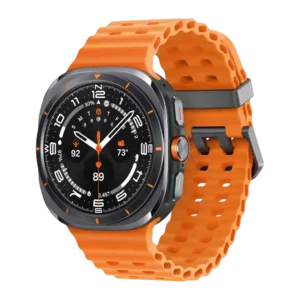
ECG evidence was limited and lukewarm, with one reviewer finding it interesting but not personally necessary.
Pros: battery life, sleep tracking accuracy
Cons: wellness insights, style and design
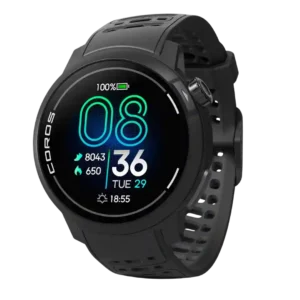
ECG was treated as limited because reviewers emphasized that it is not medically certified and should not be used as a medical device.
Pros: battery life, GPS accuracy
Cons: heart rate accuracy, smartwatch features

ECG is a clear limitation: a reviewer explicitly wished Garmin had included the hardware for ECG-related features.
Pros: battery life, GPS accuracy
Cons: onboard music storage, mapping and navigation
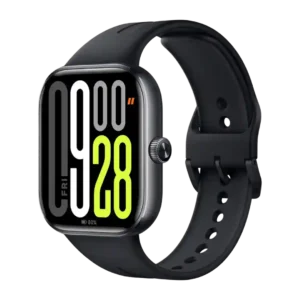
ECG functionality is missing, and one reviewer treated the absent advanced sensors as nice-to-have but not expected at the price.
Pros: battery life, display quality
Cons: smartphone notifications, sleep tracking accuracy
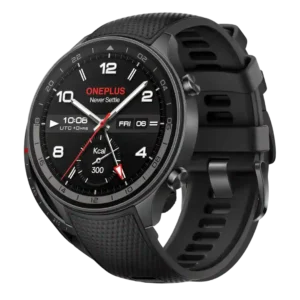
Reviewers repeatedly marked the lack of ECG as a notable omission, especially versus similarly priced or competing smartwatches.
Pros: battery life, value for money
Cons: companion app quality, charging convenience

The absence of ECG is criticized as a gap, especially given the product’s price and female-focused positioning.
Pros: battery life, style and design
Cons: sleep tracking accuracy, workout tracking variety
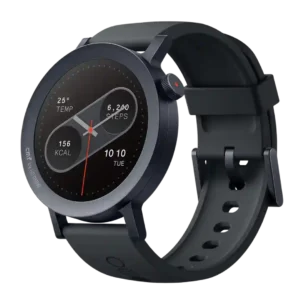
ECG support was treated as an absent advanced health feature, understandable at the price but still a limitation for serious health tracking.
Pros: value for money, battery life
Cons: GPS accuracy, sleep tracking accuracy
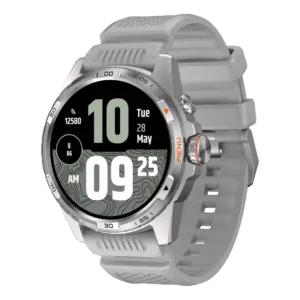
ECG support is a weakness because one reviewer specifically notes that the Atlas lacks an ECG sensor found on rival Wear OS watches.
Pros: battery life, display quality
Cons: operating system experience, voice assistant quality
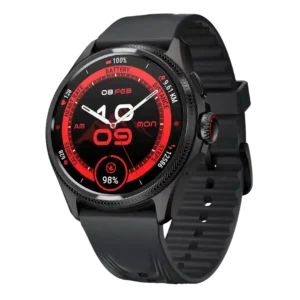
ECG functionality was a weakness because reviewers noted the sensor is missing compared with some modern smartwatch rivals.
Pros: battery life, value for money
Cons: operating system experience, voice assistant quality
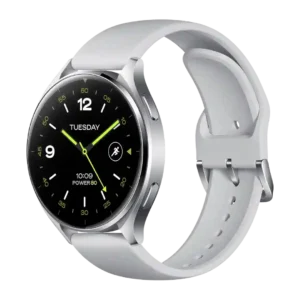
ECG functionality was treated as a missing advanced feature, softened only by the watch’s lower price.
Pros: value for money, smartphone notifications
Cons: battery life, operating system experience