Best for score quality
Crime 101
5.0 attribute score
Highest scored product for this attribute based on supporting review evidence.

Highest scored product for this attribute based on supporting review evidence.
Balances the attribute score, supporting reviews, and overall product strength.
Has the broadest review evidence for this attribute.
Strongest overall product among items with scored evidence for this attribute.
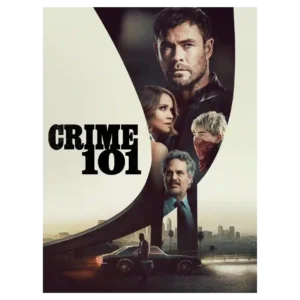
The synth-heavy Blanck Mass score is a standout, repeatedly praised for pulsing tension, melancholy, and late-night heist energy without overpowering the images.
Pros: action sequences, genre satisfaction
Cons: originality, runtime

Son Lux’s electronic score receives emphatic praise, with several reviewers calling it incredible, wonderful, or among the year’s best. It adds propulsion while reinforcing the film’s spiritual and cultural texture.
Pros: lead performance, action sequences
Cons: plot clarity, pacing
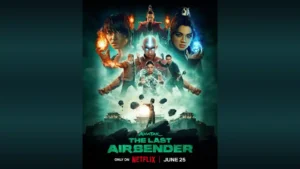
The orchestral score is a consistent standout, praised for enlarging action while giving quieter scenes melancholy and emotional lift.
Pros: character development, action quality
Cons: faithfulness to source material, season pacing

The original score is a standout, with low strings, vocal textures, and ominous rhythms repeatedly credited with sharpening dread and tension.
Pros: main cast performance, character development
Cons: pilot episode quality

The original score receives uniformly strong praise for its synth texture, mood, period feel, and ability to add dread or melancholy.
Pros: acting quality, entertainment value
Cons: story quality, suspense

The orchestral score is praised for giving the darker story weight and for carrying musical themes effectively through the film.
Pros: lead performance, acting performance
Cons: story quality, soundtrack quality

Federico Jusid’s score is praised for its propulsive, mechanical pulse and for keeping tension moving forward.
Pros: character development, story quality
Cons: character balance, episode pacing
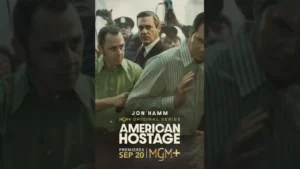
Critics liked the period-minded score, including funk, percussion, acid-jazz textures, dissonance, and silence used to shape tension.
Pros: theme depth, story quality
Cons: season pacing, writing quality
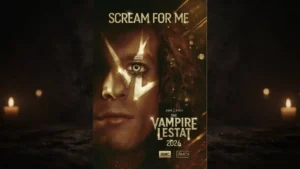
Daniel Hart’s orchestral work earns emphatic praise for carrying grief and atmosphere beneath the louder rock material.
Pros: soundtrack quality, story quality
Cons: season pacing, character balance
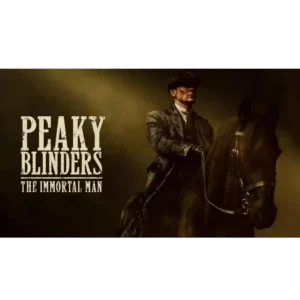
The score is repeatedly praised for building dread, atmosphere, and intensity, especially as Tommy’s return pushes the film toward its climax.
Pros: ending satisfaction, faithfulness to source material
Cons: story quality, pacing

The score earns strong praise for its haunting synth textures and for supporting the thriller’s unease without overwhelming the performances.
Pros: bingeability, main cast performance
Cons: plot twists, writing quality

The score is praised for carrying emotion and adapting smoothly to comedy, danger, and quieter tension.
Pros: entertainment value, acting performance
Cons: plot originality, pacing
Colin Stetson’s tense, unconventional music is a standout technical strength, praised for sustaining dread without overpowering the atmosphere.
Pros: acting performance, scares
Cons: entertainment value, character development

The instrumental score is a consistent craft highlight, using plucky strings and sharp keys to inject stress, pace, and energy into otherwise dialogue-heavy scenes.
Pros: acting quality, entertainment value
Cons: finale satisfaction, realism
The orchestral score receives strong praise for deepening the drama and evolving familiar themes without losing their identity.
Pros: story quality, action quality
Cons: season pacing, season length

Ari Balouzian’s music shifts between soothing, sly, and menacing moods, helping domestic scenes turn disquieting without losing their strange humor.
Pros: originality, humor
Taul Katz’s score is praised for beautifully complementing an affecting montage of medical and film imagery.
Pros: directing quality, archival footage quality
Cons: Biographical coverage
Flavien Berger’s music deepens the film’s dreamy, nocturnal, and sensual atmosphere, making quiet scenes feel more emotionally charged.
Pros: animation quality, story quality
Cons: plot clarity, pacing
A soaring, cinematic treatment of the familiar theme makes the score feel bigger while remaining recognizable.
Pros: celebrity cameos, humor
Cons: pacing, ensemble balance
The Newton Brothers’ score is singled out as a major strength, reinforcing the season’s dark atmosphere and emotional weight.
Pros: story quality, entertainment value
Cons: season pacing, dialogue quality

Cosmo Sheldrake’s score receives emphatic praise for its distinctive use of altered birdsong and broken-carnival texture.
Pros: lead performance, production design
Cons: humor, message quality

The score heightens urgency and pressure while supporting the joy of seeing the park emerge. Its emotional shaping is praised as a crucial part of the film.
Pros: entertainment value, archival footage quality
Cons: theme depth, runtime

The score is praised for building dread without obvious musical cues, complementing the show’s restrained and uneasy suburban atmosphere.
Pros: main cast performance, humor
Cons: genre satisfaction, episode pacing

Christopher Benstead’s booming score is singled out as a major contributor to the film’s excitement.
Pros: entertainment value, action sequences
Cons: character development, plot clarity

Mark Mancina’s Pacific Island–inflected choral scoring gives the finale weight and urgency. The music is especially effective when supporting the story’s cultural and emotional peaks.
Pros: soundtrack quality, chemistry between characters
Cons: originality, visual style
Tony Morales’ score is praised for carrying muscular energy and momentum that ties Neagley to the Reacher universe without making it feel identical.
Pros: main cast performance, spin-off quality
Cons: plot originality, villain quality
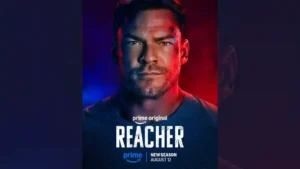
The finale’s 1980s-style musical score is singled out as fitting the mood and tone especially well.
Pros: action quality, supporting cast performance
Cons: story quality, plot clarity
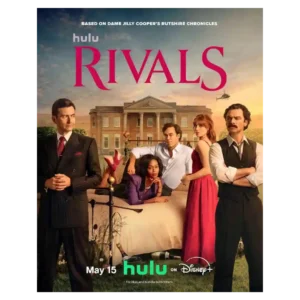
The playful operatic vocal score gives the show a distinctive comic voice that comments on the onscreen excess.
Pros: character development, entertainment value
Cons: sexual content level, plot clarity
Nicolas Errèra’s urgent music effectively raises the pressure during the captivity scenes and sharpens the sense of survival.
Pros: suspense, genre satisfaction
Cons: originality, plot originality

The sweeping score is praised for instantly transporting the viewer back into the ludus and restoring the franchise atmosphere.
Pros: franchise connection, character development
Cons: story quality, sexual content level

One review specifically praises how the music is placed to strengthen emotional beats without feeling manipulative.
Pros: dialogue quality, theme depth
Cons: character balance, sexual content level
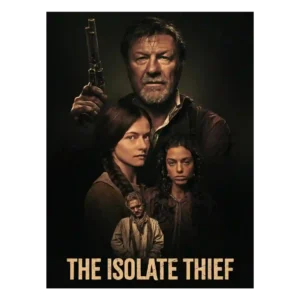
The score is singled out for its melancholy tone, matching the isolation and emotional heaviness of the winter setting.
Pros: suspense, originality
Cons: pacing, violence level
Christophe Beck’s score is strongly praised for adding warmth, mystery and emotional ache at exactly the right moments.
Pros: entertainment value, theme depth
Cons: plot originality, pacing

Sam Watts’ scoring is singled out alongside the direction as haunting and note-perfect, strengthening the sustained atmosphere of dread.
Pros: modern political framing, drama quality
Cons: finale satisfaction, season finale quality
The theme music receives unusually enthusiastic praise for amplifying the show’s energy.
Pros: entertainment value, cast chemistry
Cons: faithfulness to source material, plot clarity

Natalie Holt's lively, expressive score does crucial emotional and comic work, with horror textures that reinforce the seasonal atmosphere.
Pros: humor, animation quality
Cons: pacing, originality
The electronic score adds propulsion, unease, and lonely piano textures to the drama. Its distinctive sound is repeatedly praised as an unusually effective match for the subject.
Pros: screenplay quality, directing quality
Cons: historical accuracy, Portrayal of women

The original score is warmly received for supporting both emotion and cultural identity, including the use of Filipino and Indigenous musical textures.
Pros: animation quality, visual style
Cons: pacing, character development
The music is repeatedly praised for heightening dread without overwhelming the drama.
Pros: genre satisfaction, acting quality
Cons: writing quality, CGI quality
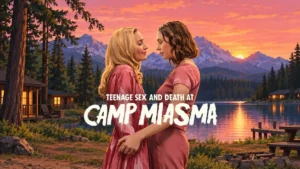
Alex G’s score is repeatedly praised for its dreamy, inspired mood and its ability to keep the surreal slasher world buoyant.
Pros: genre satisfaction, theme depth
Cons: plot clarity, ending satisfaction
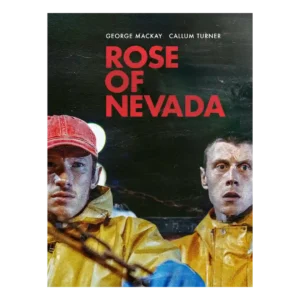
Jenkin’s eerie electronic and organ-like score reinforces the sense of temporal dislocation and grief. It shifts between low menace and mournful abstraction without overwhelming the handmade soundscape.
Pros: sound design, visual style
Cons: plot clarity, pacing

The spare piano-and-synth score is among the film’s most celebrated strengths. It announces danger, intensifies waiting, and remains instantly recognizable.
Pros: directing quality, score quality
Cons: message quality

The synth-heavy score is one of the most consistently celebrated strengths, combining otherworldly atmosphere with moving familiar motifs. One critic finds parts too reminiscent of Stranger Things.
Pros: visual style, suspense
Cons: episode pacing, season pacing
The score is praised as eerie, dark, playful, and tension-building, with reviewers noting how it accentuates big moments while keeping unease simmering underneath.
Pros: lead performance, entertainment value
Cons: ending satisfaction, character development

Ari Balouzian’s throbbing, queasy score is repeatedly praised for increasing tension and feeding the film’s horror atmosphere.
Pros: lead performance, visual style
Cons: theme depth, story quality

The electronic score is repeatedly praised for giving the screen-based action momentum and matching the frantic pace of the heist.
Pros: entertainment value, suspense
Cons: character development, audience appeal
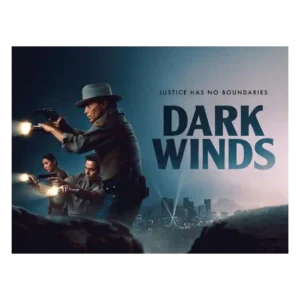
The score is called out for a sweeping, uneasy sound that mirrors the characters’ turmoil. It contributes to the season’s haunted, noir-leaning mood.
Pros: acting quality, supporting cast performance
Cons: plot clarity
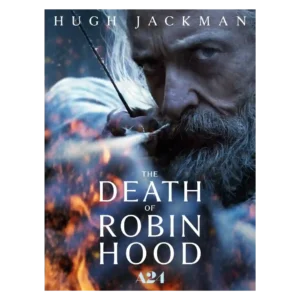
Jim Ghedi’s folk-inflected score is widely praised for its mournful power. It deepens the old-world atmosphere and gives the film emotional lift when the drama turns sparse.
Pros: visual style, cinematography
Cons: story quality, pacing

The score is a standout, shifting between dreamlike, minimalist, hysterical, and subdued moods with ease. It provides emotional continuity when the story itself becomes fragmented.
Pros: animation quality, visual style
Cons: story quality, plot clarity
Malcolm Parson’s soulful, wistful piano writing is praised for binding the film’s disparate images and ideas together without overpowering them.
Pros: theme depth, visual style
Cons: pacing, screenplay quality