If you want better character consistency
Choose X-Men ’97 Season 2. It scores 5.0 vs 1.0 for character consistency, with a 4.4 overall score.

Fantasy combat, war and genocide themes, grief, political oppression, and some frightening or intense moments make this best suited to about age 8 and up.
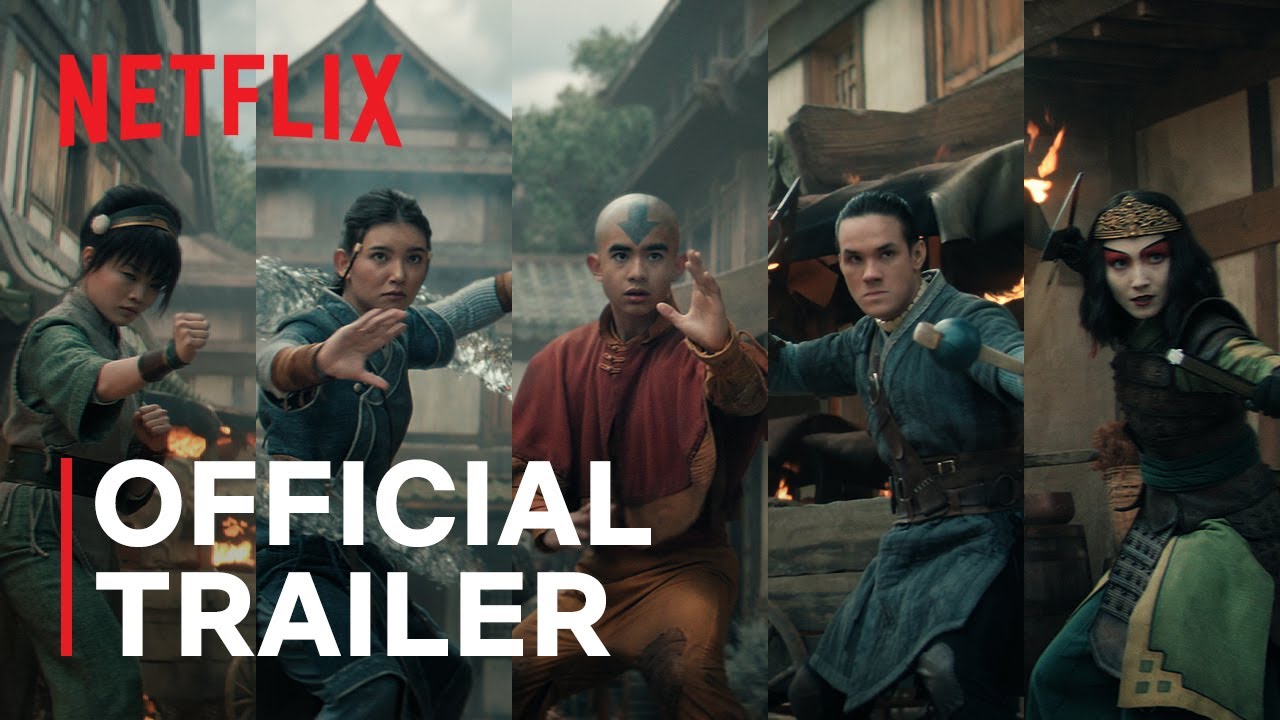
Choose Season 2 for stronger bending action, standout performances, richer themes, and upgraded production craft. Skip it if rushed adaptation choices, exposition-heavy writing, or dim visuals outweigh the appeal of seeing Book Two remixed in live action.
Viewers who want stronger live-action bending, polished performances, and a darker, more political take on the Earth Kingdom story, especially if they are open to substantial remixing of the animated series.
Purists who want Book Two’s original pacing, humor, character beats, and story order may find the seven-episode compression and altered arcs frustrating.
Season 2 is a noticeable technical and performance upgrade, especially in its bending fights, production design, score, and standout work around Zuko, Toph, and Iroh. The season also finds richer material in grief, guilt, political control, and the civilian cost of war. Its biggest limitation is structural: compressing so much of Book Two into seven episodes repeatedly rushes character arcs, combines storylines before they can breathe, and makes some emotional beats feel thinner than intended. That divide drives the mixed response. Viewers open to a darker reinterpretation may appreciate the confidence and new ideas, while fans seeking the animated series’ pacing, humor, and narrative logic may find the remix frustrating.
View all 62 feature scores and cast & creators
Compared with other TV Shows, this product is above average in family friendliness, age appropriateness, ethical sensitivity, near average in character development, acting quality, below average in directing quality, realism, episode length.
| Attribute | This product | Category average | Difference |
|---|---|---|---|
| directing quality | 1.0 | 4.2 | -3.2 |
| family friendliness | 5.0 | 2.2 | +2.8 |
| age appropriateness | 5.0 | 2.5 | +2.5 |
| realism | 1.0 | 3.4 | -2.4 |
| ethical sensitivity | 5.0 | 2.7 | +2.3 |
| episode length | 1.0 | 3.3 | -2.3 |
| character consistency | 1.0 | 3.1 | -2.1 |
| character balance | 1.0 | 3.0 | -2.0 |
Choose X-Men ’97 Season 2. It scores 5.0 vs 1.0 for character consistency, with a 4.4 overall score.
Choose Interview With the Vampire, Season 3. It scores 4.9 vs 2.3 for humor, with a 4.3 overall score.
Choose Spartacus: House of Ashur. It scores 5.0 vs 1.0 for directing quality, with a 3.6 overall score.
Choose Chad Powers, Season 2. It scores 5.0 vs 2.0 for dialogue quality, with a 4.3 overall score.
Products reviewers directly compared with this model, grouped into quick takeaways.
Many reviewers see clear improvements in action, performances, dialogue, and production craft, but several still think the adaptation’s core writing and pacing problems remain.
The bending action and cast are the most consistent strengths, with Toph, Zuko, and Iroh receiving especially strong praise.
The seven-episode structure compresses too many Book Two arcs, leaving some character development and emotional payoffs rushed.
It keeps many major characters and story beats but frequently combines, relocates, or reinterprets them. Reviewers are strongly divided on whether those changes work.
Toph is one of the clearest consensus highlights, with her casting, attitude, humor, physicality, and blindness portrayal receiving strong approval.
One review specifically calls it appropriate for families and children 8 and up, though the season also deals with war, genocide, grief, surveillance, and intense fantasy conflict.
These are a few of the reviews included in our analysis.





Netflix’s live-action adaptation of Avatar: The Last Airbender is back with its second season, but did it learn from the mistakes of Season...
More intriguing changes with Jet, Katara, and Zuko's stories keep the show interesting, but the fumbling of The Tales of Ba Sing Se is tragic.
Like many, I was enthralled by the first season of Netflix's live-action adaptation of Avatar: The Last Airbender. From Takeshi Furukawa's...
Avatar: The Last Airbender Season 2 review covering Earth Kingdom, Ba Sing Se, Toph, Aang, Zuko, Netflix adaptation, and ending.
Review: Season 2 builds on the foundations of the first and improves almost every aspect of it. Better pacing, stronger storytelling, more...

Best for sharp adult humor, magnetic chemistry and a deeply satisfying farewell. Skip it if familiar will-they-won’t-they plotting or deliberately messy leads are dealbreakers.
Pros: season pacing, episode structure
Cons: none
Choose Season 15 for warm, character-driven comedy, meaningful growth, and a finale that rewards longtime fans. Skip it if the short binge format, uneven replacement voices, or occasional clumsy commentary...
Pros: episode structure, season finale quality
Cons: release schedule, bingeability

Choose The Pitt Season 2 for a gripping, realistic medical drama with superb acting and emotional depth. Skip it if graphic procedures, unresolved arcs, or slower character-driven pacing bother you.
Pros: episode structure, main cast performance
Cons: age appropriateness, plot clarity

Best for powerhouse performances, thorny character work, and a tense revenge mystery that grows richer as it goes. Skip it if abuse, trafficking, graphic violence, or deliberately messy moral questions...
Pros: episode structure, supporting cast performance
Cons: cinematography, sexual content level