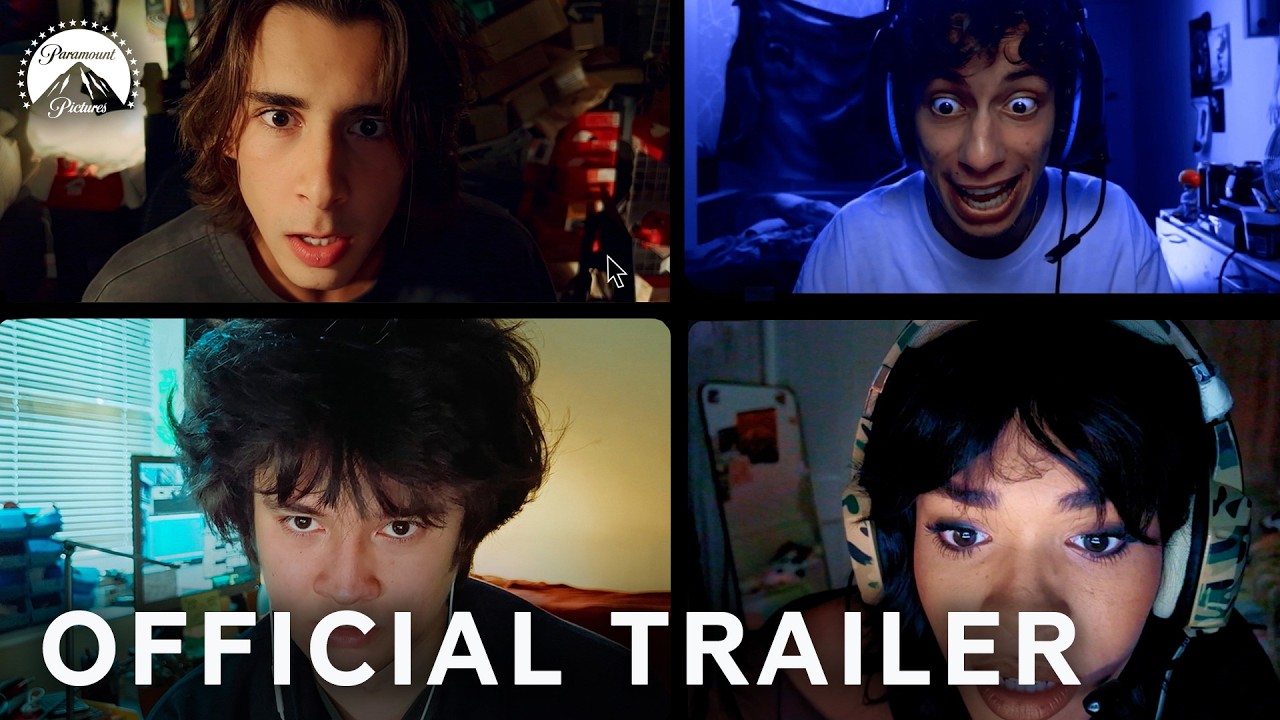
Pervasive strong language, teen drug use and drinking, plus some sexual content or nudity make this better suited to older teens.
Official ratingR
Bottom Line
Choose it for a fast, tense cyber-heist with inventive screenlife editing, strong chemistry, and propulsive energy. Skip it if dense interfaces, plausibility gaps, or thinner character work make screen-based thrillers exhausting.
Best for
Best for viewers who enjoy tense cyber-heists, screenlife storytelling, fast editing, and online-culture detail. It especially suits audiences comfortable following chats, tabs, and multiple video feeds at once.
Not for
Skip if constant interface motion, notification sounds, or technical jargon quickly causes screen fatigue, or if deep character drama and strict heist plausibility matter more than momentum.
Verdict
LifeHack turns the screenlife format into a kinetic cyber-heist, and its strongest material makes the approach feel purposeful rather than gimmicky. Reviewers repeatedly praise the suspense, propulsive editing, energetic score, and believable chemistry among the online friends, while the digital interfaces often deepen the tension instead of merely decorating it. The tradeoff is character depth and plausibility: several critics find the teens thinly drawn, the later heist mechanics harder to buy, and the constant windows, notifications, and jargon tiring. The ending also divides opinion, landing as satisfying for some and too neat or predictable for others. For viewers comfortable reading a busy screen, it is an unusually lively screenlife thriller with clear genre appeal.
The film’s warnings about online privacy, digital vulnerability, and the consequences of seemingly distant cybercrime give the heist extra relevance beyond its mechanics.
Editing is one of the clearest strengths, using rapid cuts, layered windows, and shifting focus to keep dense digital action legible and propulsive rather than static.
cultural representation: 4.8, 8 reviews, strong consensus
The film captures Gen Z internet culture with unusually specific detail, from games and Discord habits to memes and screen-driven social life. Its online world often feels current and recognizable rather than generically digital.
chemistry between characters: 4.8, 5 reviews, strong consensus
The central group’s chemistry is a major asset, making online friendships feel lived-in and emotionally credible even when the characters rarely share physical space.
Suspense is the film’s strongest consensus strength: the hacking, surveillance, and physical infiltration repeatedly create nail-biting tension and an escalating fear of getting caught.
The screen-based heist gives familiar crime mechanics a fresh surface, but the underlying plotting is more conventional: several reactions note predictable turns, genre clichés, or a by-the-numbers structure.
The screenlife presentation is the biggest taste test: digitally fluent and younger viewers are the clearest fit, while dense interfaces, jargon, and constant screen activity can alienate others.
character development: 3.2, 20 reviews, low consensus
Character depth divides opinion. Some find the friends fully formed and emotionally grounded, while others see thin motivations, limited backstory, or too little time spent understanding how the heist changes them.
The finale is sharply divisive: some find it satisfying, emotionally fulfilling, and true to the characters, while others call it overly tidy, predictable, or less convincing than the setup.
Class resentment, online power, isolation, and digital dependency give the story more to consider than the heist alone. Some critics still find those ideas underexplored or too surface-level.
The writing earns praise for giving the heist motives, class concerns, and friendship dynamics some substance, but it also draws criticism for contrived conflicts, familiar beats, and limited character depth.
Corrigan’s debut direction is repeatedly praised for understanding the online world, controlling screenlife complexity, and escalating tension with confidence.
Farmer is usually identified as a confident, charming anchor with strong screen presence, though one response finds Kyle’s cockiness grating and emotionally distancing.
Compared with other Movies, this product is above average in editing quality, historical accuracy, message quality, near average in visual style, story quality, below average in sound design, audience appeal, supporting cast performance.
Comparison summary
38 compared features
Above average0.4+ pts higher
17(45%)
Same as averagewithin 0.3 pts
16(42%)
Below average0.4+ pts lower
5(13%)
Largest category differences
Attribute
This product
Category average
Difference
sound design
2.0
4.0
-2.0
editing quality
4.8
3.5
+1.4
historical accuracy
5.0
3.4
+1.6
audience appeal
2.8
3.9
-1.1
message quality
5.0
3.7
+1.3
plot clarity
4.0
2.8
+1.2
suspense
4.7
3.8
+0.9
cultural representation
4.8
3.6
+1.2
Consider This Instead
If you want better directing quality
Choose Camp. It scores 4.8 vs 4.3 for directing quality, with a 3.8 overall score.
Products reviewers directly compared with this model, grouped into quick takeaways.
Hackers
Similar: cyber-heist premiseThe cyber-heist concept is framed as a modern screenlife cousin to Hackers.
The Perfect Score
Similar: screen-based heist structure and stakesThe heist setup is likened to The Perfect Score, but with more serious stakes.
Unfriended
Similar: screenlife executionIts successful use of screenlife is placed in the same favorable category as Unfriended.
FAQ
Is LifeHack entirely shown through computer and phone screens?
Mostly. It uses computer interfaces, video calls, phones, security cameras, and other device-based footage, with the format expanding as the heist moves into physical spaces.
Is LifeHack actually suspenseful?
Yes. Tension is the most consistent strength, especially when the group improvises through hacking setbacks, surveillance, and the larger physical infiltration.
Are the main characters well developed?
That is one of the biggest divides. Some reactions find the friends lived-in and three-dimensional, while others think their motivations and backstories remain too thin.
Does the hacking feel realistic?
The software, social engineering, and online behavior are often praised as unusually grounded for a thriller, though the larger heist eventually stretches plausibility for some viewers.
Who is LifeHack best suited for?
It fits viewers who enjoy fast cyber-thrillers, screenlife storytelling, and dense digital interfaces. People who dislike reading chats or watching constant windows and notifications may find it tiring.
Is the ending satisfying?
Opinion is split. Some find the conclusion emotionally satisfying and appropriate for the characters, while others see it as too tidy, predictable, or convenient.
Sample Expert Reviews We Analyzed
These are a few of the reviews included in our analysis.
Best for pristine archival footage, immersive sound, and a surprisingly tense look at Disneyland’s construction. Skip it if you want a comprehensive, deeply critical history; several reviewers found the 78–79-minute...
Best for an intimate, inventive archival portrait with strong emotional and cultural impact. Skip it if substantial nudity or an occasionally wandering biographical structure will frustrate you.
Pros: chemistry between characters, emotional impact
Best for an audacious, text-driven conspiracy thriller with gorgeous 16mm atmosphere and mounting dread. Skip it if long stretches of reading, deliberate repetition, and an intentionally austere narrative sound more...
Best for slow-burn suspense, iconic synth music, and shadow-soaked filmmaking that still feels influential. Skip it if you need fast pacing, polished sound, consistently natural dialogue, or modern gore-heavy kills.
Pros: chemistry between characters, directing quality