Best for score quality
You Can See Everything
5.0 attribute score
Highest scored product for this attribute based on supporting review evidence.

Highest scored product for this attribute based on supporting review evidence.
Balances the attribute score, supporting reviews, and overall product strength.
Has the broadest review evidence for this attribute.
Strongest overall product among items with scored evidence for this attribute.

Overall: 4.7/5
Ari Balouzian’s music shifts between soothing, sly, and menacing moods, helping domestic scenes turn disquieting without losing their strange humor.
Pros: originality, humor

Overall: 4.1/5
Ari Balouzian’s throbbing, queasy score is repeatedly praised for increasing tension and feeding the film’s horror atmosphere.
Pros: lead performance, visual style
Cons: theme depth, story quality
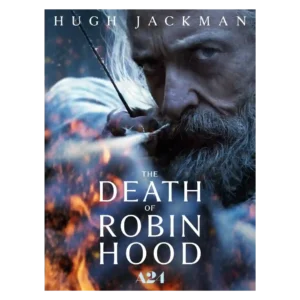
Overall: 3.4/5
Jim Ghedi’s folk-inflected score is widely praised for its mournful power. It deepens the old-world atmosphere and gives the film emotional lift when the drama turns sparse.
Pros: visual style, cinematography
Cons: story quality, pacing
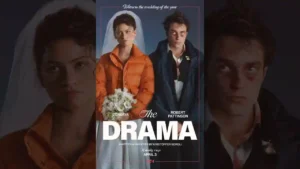
Overall: 3.8/5
Daniel Pemberton’s score is a standout technical element, frequently praised for its anxious, prickly, off-kilter quality and its ability to intensify otherwise ordinary scenes.
Pros: humor, theme depth
Cons: character development, screenplay quality
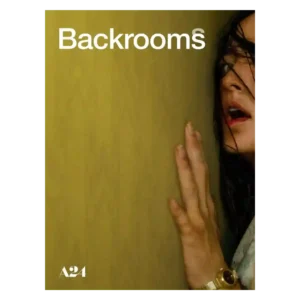
Overall: 4.2/5
The eerie ambient score blends into the fluorescent hum and feels as though it emerges from the Backrooms itself. Its restrained, insidious textures support dread without overpowering the imagery.
Pros: acting performance, scares
Cons: ending satisfaction, plot clarity

Overall: 4.4/5
The original score adds emotional depth and reinforces the story’s themes. It works with the song selections to connect the club world with the quieter family drama.
Pros: emotional impact, directing quality
Cons: romance quality, character screen time
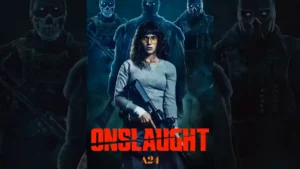
Overall: 3.2/5
The synth-driven score is one of the most consistently praised craft elements, repeatedly credited with energy, atmosphere, and a strong Carpenter-era pulse.
Pros: lead performance, entertainment value
Cons: action sequences, ending satisfaction
Overall: 4.1/5
Quiet electronic textures and deliberate gaps in the music help preserve tension. The accompaniment is effective for several viewers, though not everyone finds it memorable.
Pros: suspense, directing quality
Cons: plot clarity, Gore-sensitive viewing

Overall: 3.5/5
Emile Mosseri’s score is a notable craft strength, praised for giving the movie momentum and a distinctive propulsive texture.
Pros: lead performance, humor
Cons: entertainment value, originality
Overall: 3.5/5
Marcus Miller’s music is praised for nuance, range, and a cool urban feel. Its underscoring helps build tension and adds softness to difficult moments.
Pros: lead performance, acting performance
Cons: character development, writing quality
Overall: 4.5/5
Devonté Hynes’s string-heavy score sharply amplifies tension and comic rhythm for some critics. Others find it blaring, overly insistent, or distracting, making this the clearest technical point of disagreement.
Pros: humor, screenplay quality
Cons: score quality, runtime