If you want better production design
Choose Young Sherlock, Season 1. It scores 5.0 vs 3.2 for production design, with a 4.0 overall score.

Graphic vampire violence and gore, explicit sexual material including an incestuous relationship, heavy drug use, and sexual-assault trauma make this best suited to older teens and adults.
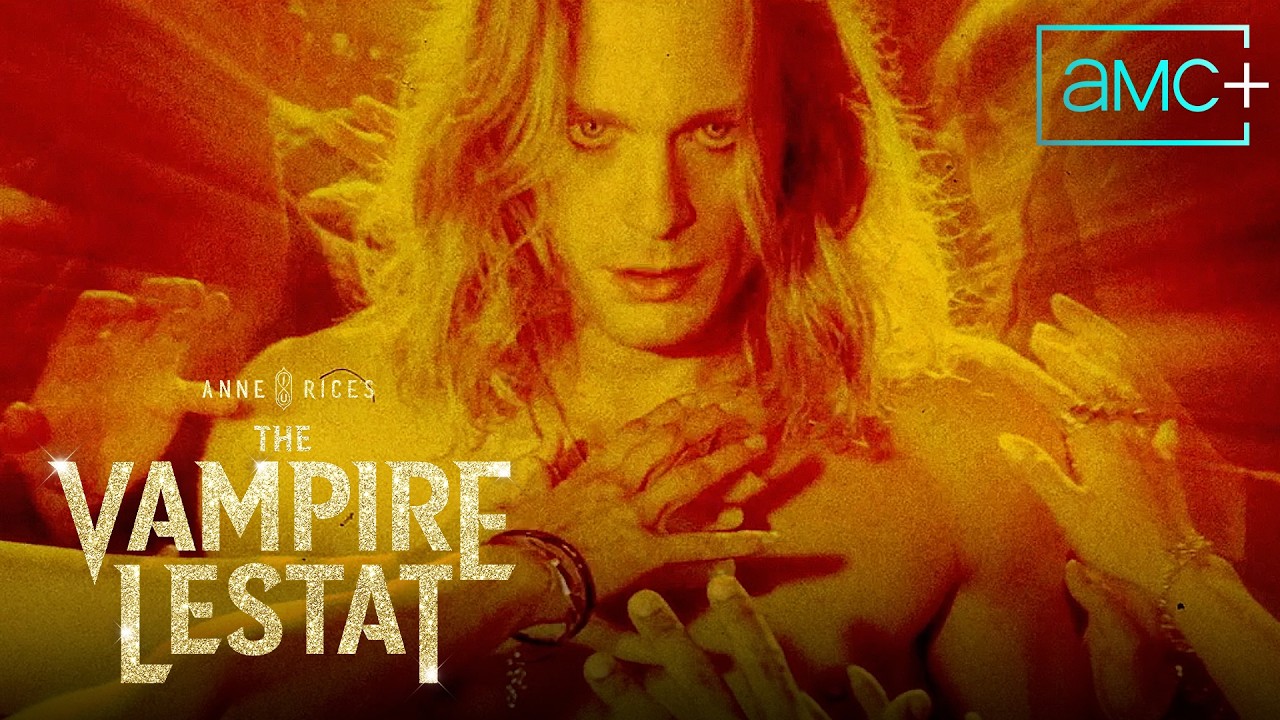
Choose it for Sam Reid’s magnetic lead turn, daring musical reinvention, and bruising character work. Skip it if the seven-episode rush, glam-rock excess, or unresolved finale will frustrate you.
Returning viewers who enjoy character-driven gothic horror, queer melodrama, camp, and music-heavy experimentation will get the most from the season, especially if Lestat is a favorite.
Newcomers and viewers who dislike nonlinear storytelling, glam-rock excess, graphic violence, explicit sexual material, or cliffhanger-heavy season endings are likely to struggle with it.
The Vampire Lestat succeeds because its wild reinvention feels inseparable from Lestat himself: loud, vain, wounded, funny, and desperate to be understood. Sam Reid’s performance is the clearest consensus strength, while Daniel Hart’s music gives the season a second language for grief, memory, and confession. The best episodes pair that spectacle with devastating work around Louis, Claudia, trauma, and failure. The tradeoff is compression. Seven episodes leave some new characters thin, the nonlinear storytelling can become exhausting, and the finale divides viewers by postponing major promised payoff. Even with those frustrations, most reviewers see the season as a bold continuation rather than a gimmicky detour.
View all 62 feature scores and cast & creators
Compared with other TV Shows, this product is above average in character consistency, plot originality, continuity, near average in dialogue quality, season finale quality, below average in franchise connection, directing quality, sexual content level.
| Attribute | This product | Category average | Difference |
|---|---|---|---|
| character consistency | 5.0 | 3.0 | +2.0 |
| franchise connection | 2.3 | 4.0 | -1.7 |
| plot originality | 5.0 | 3.4 | +1.6 |
| directing quality | 2.5 | 4.2 | -1.7 |
| sexual content level | 1.5 | 3.1 | -1.6 |
| continuity | 5.0 | 3.4 | +1.6 |
| finale satisfaction | 2.0 | 3.5 | -1.5 |
| makeup quality | 5.0 | 3.4 | +1.6 |
Choose Young Sherlock, Season 1. It scores 5.0 vs 3.2 for production design, with a 4.0 overall score.
Choose Adults, Season 2. It scores 5.0 vs 1.5 for sexual content level, with a 4.4 overall score.
Choose How to Get to Heaven from Belfast, Season 1. It scores 5.0 vs 2.4 for accent authenticity, with a 4.4 overall score.
Choose Rivals, Season 2. It scores 4.8 vs 3.8 for dialogue quality, with a 4.1 overall score.
Products reviewers directly compared with this model, grouped into quick takeaways.
Yes. The title and point of view change, but the story directly continues the first two seasons and assumes substantial prior knowledge.
Yes. Original rock songs and Daniel Hart’s score are central storytelling tools; most reviewers praise them, though a minority finds the retro glam-rock style cheesy.
His performance is the strongest area of agreement, with repeated praise for his charisma, emotional range, comedy, singing, and physical performance.
Yes, though Lestat is the center. Louis remains a major emotional anchor, while Claudia, Armand, and Daniel receive important material of varying depth.
Opinion is split. Some reviewers praise its thematic and performance payoff, while others criticize the unresolved concert and apocalypse setup and feel the ending plays more like a bridge to Season 4.
Most reviews say it preserves the spirit of the books while making large changes. Gabriella’s characterization and several altered relationships are the most contested adaptation choices.
These are a few of the reviews included in our analysis.





Also starring Jacob Anderson, Assad Zaman, and Eric Bogosian, this rebranded third season of 'Interview with the Vampire' finds Lestat...
Sam Reid takes centre stage in Anne Rice adaptation The Vampire Lestat — streaming now on BBC iPlayer. Read Empire's review.
Interview with the Vampire took a turn into the world of The Vampire Lestat for its third season, giving us his side of the story.
Velvet jackets and opera glasses are out, tight trousers and a hoofing glitter stomp are in. Interview With the Vampire’s taken quite the turn
If you enjoyed the first two series of the Interview with the Vampire series you might find the third — set on a rock tour — a bit of a...

Best for sharp adult humor, magnetic chemistry and a deeply satisfying farewell. Skip it if familiar will-they-won’t-they plotting or deliberately messy leads are dealbreakers.
Pros: season pacing, episode structure
Cons: none
Choose Season 15 for warm, character-driven comedy, meaningful growth, and a finale that rewards longtime fans. Skip it if the short binge format, uneven replacement voices, or occasional clumsy commentary...
Pros: episode structure, season finale quality
Cons: release schedule, bingeability

Choose The Pitt Season 2 for a gripping, realistic medical drama with superb acting and emotional depth. Skip it if graphic procedures, unresolved arcs, or slower character-driven pacing bother you.
Pros: episode structure, main cast performance
Cons: age appropriateness, plot clarity

Best for powerhouse performances, thorny character work, and a tense revenge mystery that grows richer as it goes. Skip it if abuse, trafficking, graphic violence, or deliberately messy moral questions...
Pros: episode structure, supporting cast performance
Cons: cinematography, sexual content level