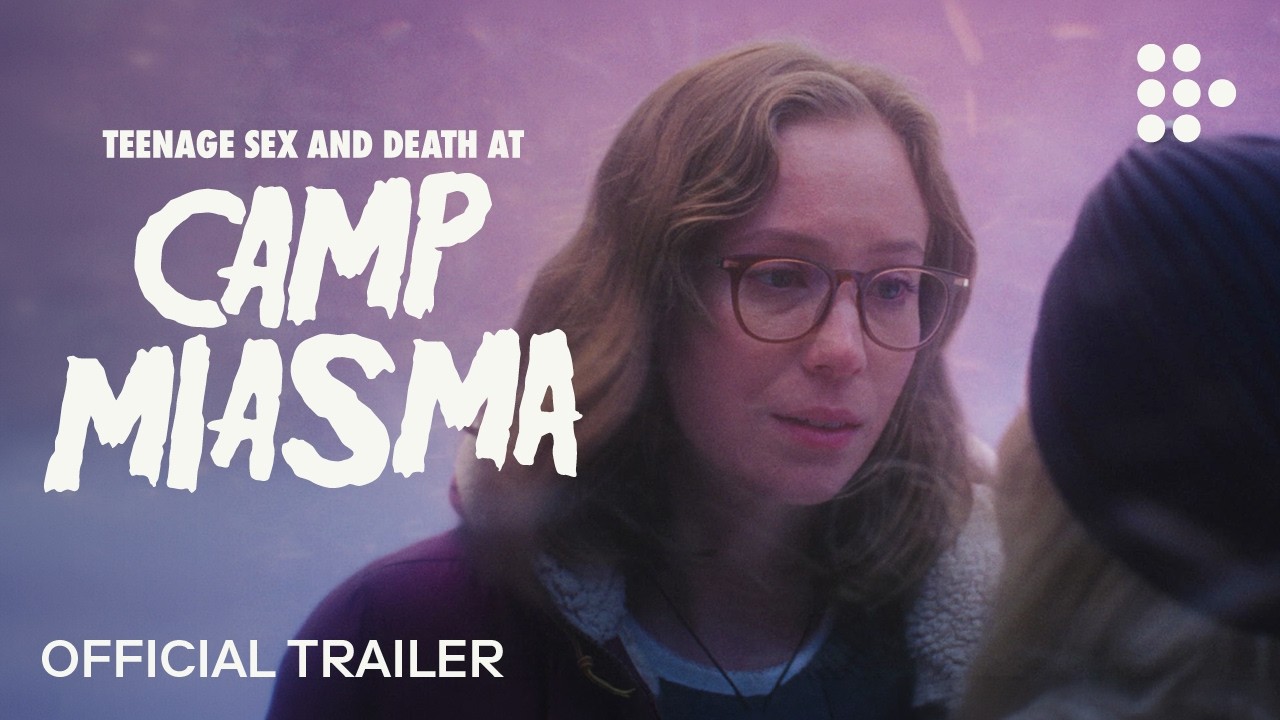
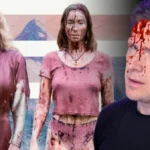
Graphic nudity and sexual content are paired with bloody slasher violence and gore, plus drug use and strong language. The violence is often stylized, but the combination is best suited to older teens.
Official ratingR
Bottom Line
Choose it for magnetic lead performances, lush slasher-world design, playful gore, and a thoughtful queer take on desire and fandom. Skip it if you need straightforward horror, sustained scares, or a cleanly resolved plot.
Best for
Slasher devotees, queer-horror fans, and cinephiles who enjoy meta filmmaking, heightened visuals, erotic surrealism, and performance-driven character work.
Not for
Viewers seeking sustained scares, realistic gore, a linear plot, or a tidy third-act resolution may find the dream logic and self-conscious meta commentary frustrating.
Verdict
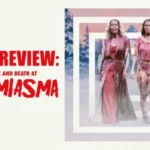
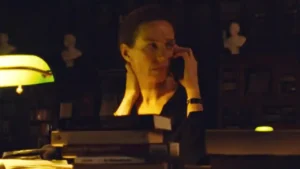
Teenage Sex and Death at Camp Miasma lands most consistently as a sensual, candy-colored meta-slasher rather than a conventional scare machine. The broad agreement is on craft: Hannah Einbinder and Gillian Anderson have magnetic chemistry, the painted backdrops and franchise ephemera create unusually convincing horror-world mythology, and the music, gore and comic timing turn several set pieces into standouts. Its biggest strength is how those pleasures serve a sincere exploration of desire, shame, fandom and the uneasy love of problematic art. The tradeoff is narrative clarity. Multiple critics found the dream logic, heavy-handedness, pacing or late-film abstraction frustrating, while others saw the same looseness as essential to its appeal. Expect very little sustained fear, plenty of stylized blood and sexuality, and a film built to be felt and revisited more than neatly decoded.
The film’s deepest strength is its layered exploration of desire, shame, identity, fandom and the complicated pleasure of loving flawed art. Even mixed reactions often engage seriously with those ideas.
lead performance: 5.0, 34 reviews, strong consensus
The two leads are the clearest consensus strength: Hannah Einbinder brings nervous vulnerability and comic precision, while Gillian Anderson supplies magnetic, playful glamour.
The fake Camp Miasma franchise feels unusually complete thanks to its opening montage, props, sequels, lore and period textures. That invented horror history is repeatedly cited as one of the movie’s most convincing achievements.
production design: 5.0, 13 reviews, strong consensus
Painted backdrops, fake franchise memorabilia, camp sets and tactile props create an unusually rich artificial world. The handmade look is repeatedly celebrated as part of the movie’s identity.
Saturated color, tactile lighting, unusual framing and playful camera techniques make the cinematography a standout. The dreamlike camp imagery is repeatedly described as striking and immersive.
Even skeptical viewers tend to acknowledge how unusual the movie is. Its fusion of slasher homage, romance, queer self-examination and surreal meta-cinema feels fresh and unmistakably personal.
This is consistently described as a very low-scare horror film. The kills and gore are usually played as camp, memory or comedy rather than sustained dread, which will disappoint viewers seeking real fear.
The pacing is one of the recurring weaknesses, with complaints about long-winded passages, redundancy and a meandering later stretch. The strongest set pieces still move with considerable energy.
Dream logic and shifting layers of fiction make the story intentionally slippery, but confusion is a repeated complaint. Viewers comfortable with ambiguity fare much better than those wanting a cleanly resolved plot.
The ending is sharply divisive: some find the final plunge into fantasy immersive and liberating, while others see padding, confusion or a late collapse in narrative coherence.
The story can be heartfelt, sharp and thematically rich, but it is also one of the main sources of division. Some see a brilliant emotional arc; others see references and surrealism overwhelming a coherent narrative.
The script earns praise for ambitious ideas, wit and emotional candor, but its density can become heavy-handed or self-indulgent. The balance between thesis and story is a major dividing line.
Einbinder earns emphatic praise for vulnerable, charming and sharply controlled work as Kris. Her ability to shift from anxious intellectualism to embodied confidence is a recurring highlight.
Anderson’s magnetic, playful performance as Billy draws near-universal praise, with her stylized Southern drawl and old-Hollywood glamour giving the role warmth as well as mystery.
Jane Schoenbrun: 4.9, 13 reviews, strong consensus
Schoenbrun’s writing and direction are repeatedly celebrated as visually adventurous, deeply personal and unusually inventive. One mixed assessment finds the film fascinating but frustrating.
Compared with other Movies, this product is above average in originality, violence level, theme depth, near average in supporting cast performance, plot clarity, below average in scares, practical effects quality, ending satisfaction.
Comparison summary
47 compared features
Above average0.4+ pts higher
34(72%)
Same as averagewithin 0.3 pts
5(11%)
Below average0.4+ pts lower
8(17%)
Largest category differences
Attribute
This product
Category average
Difference
scares
1.5
3.8
-2.3
originality
4.9
3.4
+1.5
violence level
4.7
3.1
+1.6
theme depth
5.0
3.7
+1.3
sexual content level
4.5
2.9
+1.6
rewatch value
4.9
3.5
+1.4
romance quality
4.7
3.3
+1.3
world-building
5.0
3.8
+1.2
Consider This Instead
If you want better supporting cast performance
Choose Project Hail Mary. It scores 4.8 vs 4.4 for supporting cast performance, with a 4.3 overall score.
Products reviewers directly compared with this model, grouped into quick takeaways.
I Saw the TV Glow
Compared: tone and accessibilityCompared with I Saw the TV Glow, this film is described as brighter, funnier and more straightforward.
Similar: themes and perspectiveIt is linked to I Saw the TV Glow through a similar thematic viewpoint.
Better: theme repetitionThe film is described as repeating themes from the superior I Saw the TV Glow.
Bodies Bodies Bodies
Similar: queer slasher toneBodies Bodies Bodies is presented as a close tonal comparison among recent queer slashers.
Cabin in the Woods
Worse: emotional warmthThe film is compared to Cabin in the Woods but credited with considerably more heart.
FAQ
Is Teenage Sex and Death at Camp Miasma actually scary?
Mostly no. Fear is repeatedly described as minimal, with only minor jump scares; the gore is usually stylized, comic, or dreamlike rather than played for sustained dread.
What is the movie’s biggest strength?
The strongest agreement centers on the lead performances, their chemistry, and the richly artificial visual world. Painted backdrops, fake franchise history, music, and playful gore give the film a distinctive identity.
Is the story easy to follow?
Not consistently. The film increasingly uses dream logic and blurs fantasy with reality, which some viewers find liberating and immersive while others find confusing or frustrating.
Does it work as a slasher movie?
It works best as a loving meta-slasher rather than a conventional scare machine. The kills, franchise mythology, and genre references satisfy many slasher fans, but sustained fear is not the priority.
How graphic is the content?
The supplied material identifies an R rating for bloody violence, gore, graphic nudity, sexual content, drug use, and language. The blood is often exaggerated and unreal, but the overall mix is firmly adult.
How does it compare with I Saw the TV Glow?
Several assessments connect the films through their interest in media, identity, and desire. This one is often described as more playful, funny, and accessible, though some still prefer I Saw the TV Glow for emotional or narrative coherence.
Is it worth rewatching?
For viewers who enjoy its style, yes: several reactions specifically want to revisit the film to unpack references, visual layers, and ambiguous story beats. Those frustrated by the dream logic may feel differently.
Sample Expert Reviews We Analyzed
These are a few of the reviews included in our analysis.
Best for pristine archival footage, immersive sound, and a surprisingly tense look at Disneyland’s construction. Skip it if you want a comprehensive, deeply critical history; several reviewers found the 78–79-minute...
Best for an intimate, inventive archival portrait with strong emotional and cultural impact. Skip it if substantial nudity or an occasionally wandering biographical structure will frustrate you.
Pros: chemistry between characters, emotional impact
Best for an audacious, text-driven conspiracy thriller with gorgeous 16mm atmosphere and mounting dread. Skip it if long stretches of reading, deliberate repetition, and an intentionally austere narrative sound more...
Best for slow-burn suspense, iconic synth music, and shadow-soaked filmmaking that still feels influential. Skip it if you need fast pacing, polished sound, consistently natural dialogue, or modern gore-heavy kills.
Pros: chemistry between characters, directing quality