If you want better lead performance
Choose The Invite. It scores 5.0 vs 4.0 for lead performance, with a 4.5 overall score.

Graphic full-frontal nudity, strong language, and unsettling confrontations about deception, controlling behavior, and serious fraud make this best suited to mature viewers.
Choose this inventive, unsettling documentary for fearless questioning, dark humor, and unpredictable storytelling. Skip it if you want a short, straightforward exposé with definitive answers.
Best for adventurous documentary and arthouse viewers, Nathan Fielder fans, and people who enjoy tense, funny films that spark long conversations about truth and manipulation.
Less suitable for casual background viewing or anyone seeking a brisk, conventional Theranos investigation with unambiguous answers.
Nathan Fielder and Lance Oppenheim turn unusually intimate access to Elizabeth Holmes and Billy Evans into a dizzying examination of self-deception, power, and the difficulty of documenting truth. The searching interviews and remarkably expressive close-ups are consistently praised, while awkward humor keeps the disturbing encounters strangely entertaining. As the film moves beyond its initial portrait, reenactments and narrative reversals expand the question from whether Holmes is telling the truth to whether a camera can establish it at all. Several critics hail the result as a breakthrough for nonfiction, and the score, editing, and shifting visual perspective earn particular admiration. The main counterpoint is that its 174-minute length can feel repetitive, especially early on, and the self-aware construction may frustrate viewers expecting a direct investigation of the Theranos scandal. Its lasting impact depends as much on embracing uncertainty as on enjoying its audacious surprises.
Compared with other Movies, this product is above average in story quality, originality, runtime, near average in genre satisfaction, Biographical coverage, below average in sexual content level, lead performance.
| Attribute | This product | Category average | Difference |
|---|---|---|---|
| story quality | 5.0 | 3.2 | +1.8 |
| originality | 4.8 | 3.3 | +1.5 |
| runtime | 4.4 | 2.8 | +1.6 |
| mystery quality | 5.0 | 3.6 | +1.4 |
| critic appeal | 5.0 | 3.3 | +1.7 |
| humor | 5.0 | 3.7 | +1.3 |
| editing quality | 4.9 | 3.4 | +1.4 |
| pacing | 4.3 | 2.9 | +1.4 |
Choose The Invite. It scores 5.0 vs 4.0 for lead performance, with a 4.5 overall score.
Choose Dear You. It scores 4.9 vs 4.0 for family dynamics, with a 4.5 overall score.
Choose Remake. It scores 4.8 vs 4.2 for genre satisfaction, with a 4.6 overall score.
Choose Romería. It scores 5.0 vs 4.0 for rewatch value, with a 4.5 overall score.
Products reviewers directly compared with this model, grouped into quick takeaways.
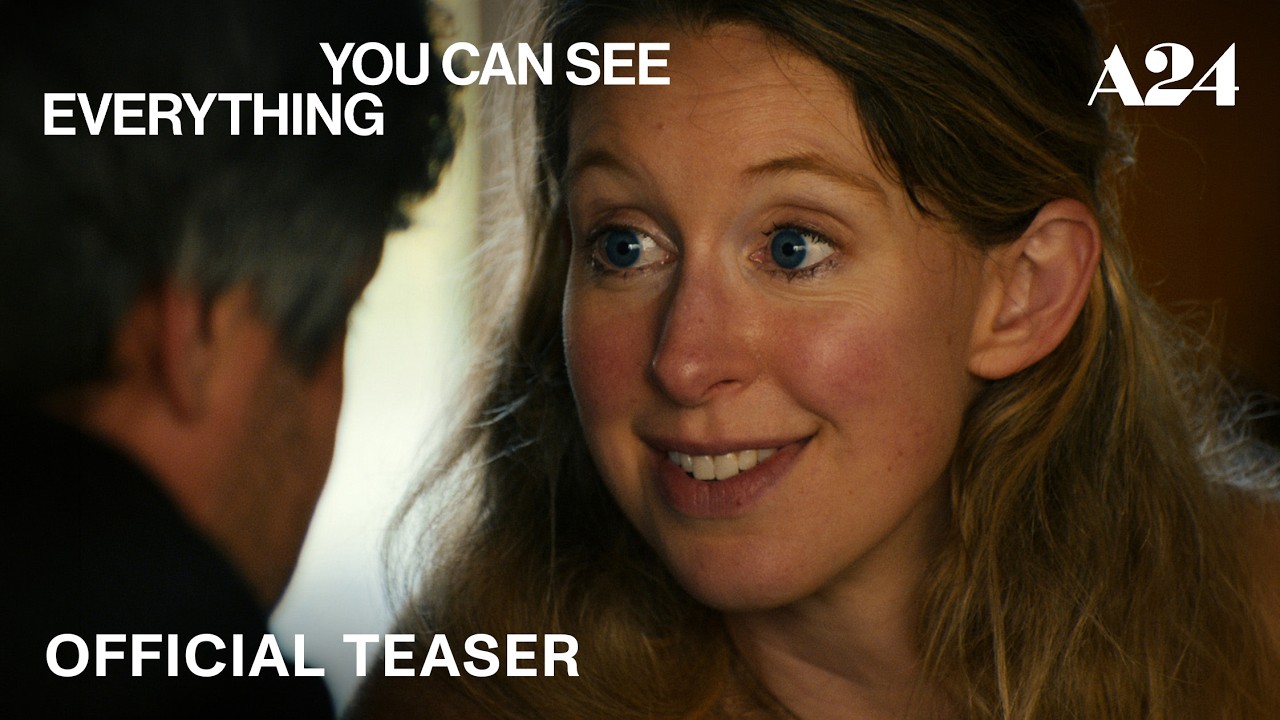
Nathan Fielder and Lance Oppenheim film Elizabeth Holmes and Billy Evans shortly before Holmes enters prison, then expand the project into an investigation of truth, performance, and documentary filmmaking.
No. Observational footage gives way to unexpected structural changes and reenactments that deliberately question the boundary between fact and performance.
Yes. Fielder’s deadpan reactions and uncomfortable exchanges generate frequent, sometimes very dark laughter.
Most assessments find the film absorbing despite its 174 minutes, though one critic argues the first half is repetitive and the overall length unnecessary.
It exposes contradictions and provides intimate access, but it intentionally leaves some questions about motive, honesty, and how stories are framed unresolved.
Yes. The changing structure and major surprises are repeatedly singled out as central to the experience.
It is rated R for language and some graphic nudity, and also deals with disturbing adult themes.
These are a few of the reviews included in our analysis.


Critics have been giving their verdict on surreal documentary You Can See Everything which follows disgraced American businesswoman Elizabeth...
Nathan Fielder and Lance Oppenheim’s interrogation of Elizabeth Holmes, the disgraced Theranos founder, is a compelling spectacle of...
Lance Oppenheim follows Nathan Fielder as he covers Elizabeth Holmes' last days before her jail time in You Can See Everything.
The filmmakers establish a porous boundary between the documentation of Elizabeth Holmes's saga and re-enactments of their own journey.
You Can See Everything is not a documentary.

Choose this inventive, unsettling documentary for fearless questioning, dark humor, and unpredictable storytelling. Skip it if you want a short, straightforward exposé with definitive answers.
Pros: originality, humor

Best for a hypnotic, bookish mystery with tactile visuals and cerebral chills. Skip it if reading-heavy, attention-demanding storytelling sounds more exhausting than exciting.
Pros: Atmosphere, cinematography
Cons: audience appeal

Best for an intimate, searching documentary that rewards focused attention and invites discussion. Skip it when devastating grief, addiction footage, and unresolved family tensions would be too much.
Pros: emotional impact, theme depth

Best for patient suspense, an unforgettable score, and an unsettling masked killer. Skip it for very young children or if you want to avoid intense scares; its restrained kills also...
Pros: directing quality, score quality
Cons: message quality