If you want better editing quality
Choose Leviticus. It scores 4.8 vs 4.1 for editing quality, with a 4.2 overall score.

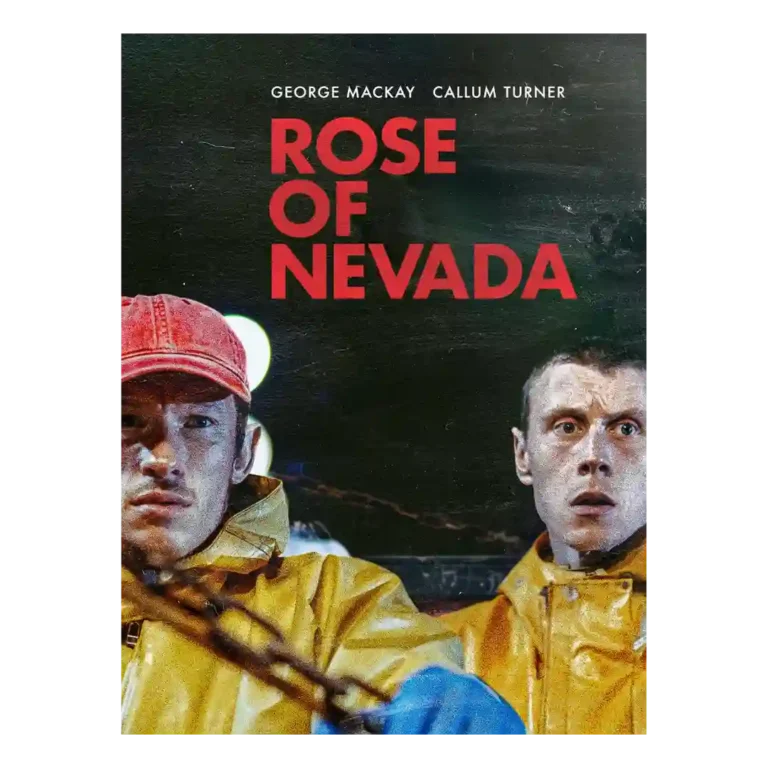
Choose it for a haunting, handcrafted time-travel drama with extraordinary 16mm imagery, thunderous sound, and a deeply moving lead performance. Skip it if slow pacing, unresolved rules, and an open ending outweigh atmosphere and interpretation.
Best for adventurous art-house viewers who enjoy atmospheric folk horror, interpretive time-travel stories, handmade filmmaking, and emotionally grounded mysteries that reward close attention.
Skip it if you need clear science-fiction rules, fast pacing, conventional dialogue, or a fully explained ending; the abrasive sound and repeated fishing routines may also test patience.
Rose of Nevada turns a fishing trawler into a time machine without sacrificing the grit of work, poverty, family, and Cornish community life. Mark Jenkin’s hand-cranked 16mm photography and fully reconstructed soundscape create an unusually tactile experience, while George MacKay gives the mystery its emotional center and Callum Turner provides a morally complicated counterweight. The film is clearer and more dramatically involving than Jenkin’s earlier experiments, but it remains deliberately elliptical: identities blur, causal loops go unexplained, and the ending refuses a tidy answer. For viewers willing to surrender to its rhythms, the result is haunting, original, and emotionally resonant. Those expecting conventional science-fiction logic or brisk plotting may find the repeated fishing passages, abrasive audio, and 114-minute runtime frustrating.
Compared with other Movies, this product is above average in plot originality, tonal consistency, romance quality, near average in audience appeal, pacing, below average in writing quality, entertainment value, runtime.
| Attribute | This product | Category average | Difference |
|---|---|---|---|
| plot originality | 5.0 | 2.8 | +2.2 |
| tonal consistency | 5.0 | 3.2 | +1.8 |
| romance quality | 5.0 | 3.2 | +1.8 |
| story quality | 4.5 | 3.2 | +1.4 |
| critic appeal | 5.0 | 3.3 | +1.7 |
| theme depth | 4.7 | 3.6 | +1.1 |
| rewatch value | 5.0 | 3.5 | +1.5 |
| makeup quality | 5.0 | 3.5 | +1.5 |
Choose Leviticus. It scores 4.8 vs 4.1 for editing quality, with a 4.2 overall score.
Choose Teenage Sex and Death at Camp Miasma. It scores 4.9 vs 4.5 for acting performance, with a 4.4 overall score.
Choose Exit 8. It scores 4.8 vs 2.2 for writing quality, with a 4.2 overall score.
Choose The Incomer. It scores 4.8 vs 3.0 for entertainment value, with a 4.2 overall score.
Products reviewers directly compared with this model, grouped into quick takeaways.
Its basic time-travel premise is clear, but the identities, causal loops, and ending remain deliberately ambiguous. It is more accessible than Mark Jenkin’s earlier work, though still demanding.
It is eerie and unsettling rather than jump-scare driven. The dread comes from distorted sound, temporal dislocation, grief, and the fear of being permanently separated from home.
The hand-cranked 16mm photography and completely post-produced sound create a tactile, dreamlike experience. Rust, waves, engines, voices, and saturated colors feel unusually physical.
MacKay is the emotional anchor, conveying Nick’s panic and grief with restrained intensity. Turner offers a looser, morally complicated contrast as Liam adapts to the past.
No. The ending preserves the film’s central ambiguity, which some viewers find haunting and others find frustrating.
These are a few of the reviews included in our analysis.




A mysterious boat returns to a village 30 years after vanishing. Two men join its crew hoping for better fortune. After one voyage, they find...
Melodrama into melocomedy
ONLINE | Thinking Film Since 1973
Quick thoughts: I love it. George MacKay and Callum Turner Director/writer Mark Jenkin has crafted a wonderful sci-fi film. The 16mm Bolex...
Career critics continuing the conversation in a post-print world. Contributors: Jim Slotek (former Toronto Sun), Liam Lacey (former Globe &...

Choose this inventive, unsettling documentary for fearless questioning, dark humor, and unpredictable storytelling. Skip it if you want a short, straightforward exposé with definitive answers.
Pros: originality, humor

Best for a hypnotic, bookish mystery with tactile visuals and cerebral chills. Skip it if reading-heavy, attention-demanding storytelling sounds more exhausting than exciting.
Pros: Atmosphere, cinematography
Cons: audience appeal

Best for an intimate, searching documentary that rewards focused attention and invites discussion. Skip it when devastating grief, addiction footage, and unresolved family tensions would be too much.
Pros: emotional impact, theme depth

Best for patient suspense, an unforgettable score, and an unsettling masked killer. Skip it for very young children or if you want to avoid intense scares; its restrained kills also...
Pros: directing quality, score quality
Cons: message quality