If you want better dialogue quality
Choose Call My Agent! The Movie. It scores 4.7 vs 2.0 for dialogue quality, with a 4.6 overall score.

Choose it for Ko Shibasaki’s icy lead turn, precise visuals, and slow-burn psychological dread. Skip it if you want the original’s leaner ambiguity, sharper shootout payoff, or more visceral horror.
Viewers who like cerebral revenge thrillers, controlled psychological dread, stark industrial imagery, and enigmatic lead performances are the best fit.
Hard-core horror fans seeking graphic shocks, viewers who need clean conspiracy logic, or anyone wanting a cathartic action-heavy finale may come away frustrated.
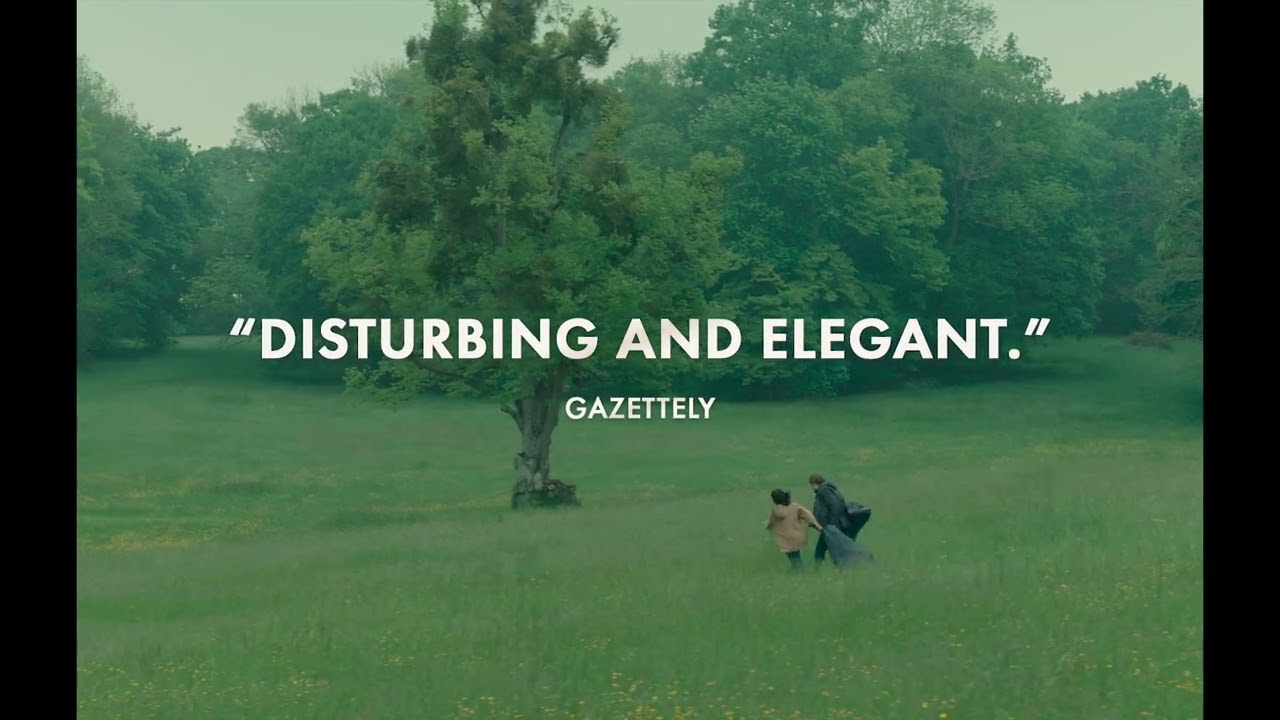
Serpent’s Path is at its best when Kiyoshi Kurosawa lets mood, space, and performance do the work. Ko Shibasaki’s controlled menace anchors the film, while deep shadows, alienating wides, and stark industrial locations turn the revenge story into an oppressive psychological exercise. The remake also earns praise for stronger character development and a few fresh wrinkles. Its changes are the main fault line, though: some find the added psychology and revised setting invigorating, while others think they dilute the 1998 film’s ambiguity, leave the conspiracy thin, and make the finale feel anticlimactic. The result is a visually assured, often tense thriller whose craft is easier to agree on than the value of remaking and expanding this particular story.
View all 36 feature scores and cast & creators
Compared with other Movies, this product is above average in supporting cast performance, pacing, character development, near average in suspense, directing quality, below average in world-building, cultural representation, action sequences.
| Attribute | This product | Category average | Difference |
|---|---|---|---|
| world-building | 2.0 | 3.6 | -1.6 |
| cultural representation | 2.0 | 3.6 | -1.6 |
| action sequences | 2.3 | 3.6 | -1.4 |
| audience appeal | 2.5 | 3.8 | -1.3 |
| supporting cast performance | 5.0 | 4.0 | +1.0 |
| pacing | 3.8 | 2.9 | +1.0 |
| dialogue quality | 2.0 | 2.9 | -0.9 |
| character development | 3.9 | 3.1 | +0.8 |
Choose Call My Agent! The Movie. It scores 4.7 vs 2.0 for dialogue quality, with a 4.6 overall score.
Choose Leviticus. It scores 5.0 vs 2.0 for cultural representation, with a 4.2 overall score.
Choose Exit 8. It scores 4.8 vs 3.3 for screenplay quality, with a 4.2 overall score.
Choose Peaky Blinders: The Immortal Man. It scores 5.0 vs 3.6 for scares, with a 3.7 overall score.
Products reviewers directly compared with this model, grouped into quick takeaways.
It is most rewarding as a cold, cerebral revenge thriller with strong visual control and performances. Its value as a remake is more divisive because some of the added psychology and plotting weaken the original’s ambiguity.
She is the clearest acting standout, praised for a poker-faced, tightly controlled turn that combines menace, mystery, and simmering rage.
The horror is mainly psychological, built through dread, menace, captivity, and oppressive spaces. Gruesome acts are discussed more than visually shown, which may feel too restrained for hard-core horror fans.
It keeps many of the same story beats but shifts the action to France, changes a key character’s gender, and expands the psychology. Those changes are praised by some and seen as unnecessary or ambiguity-reducing by others.
Opinions split sharply: one critic finds the final act a stunning payoff to the mounting dread, while others call the shootout anticlimactic, predictable, or unsatisfying.
No. The emphasis is on psychological manipulation and slow-building tension, and the climactic shootout is one of the more criticized parts of the film.
These are a few of the reviews included in our analysis.
by Max G. Robinson, Staff Writer What is particularly interesting about the 2024 Serpent’s Path are the new wrinkles Kurosawa introduces into...
There are several reasons a director can decide to remake their own work. It could be an instance of having greater resources and being more...
Kurosawa Kiyoshi's remake suffers from being at once too similar to the 1998 original and too distinct in a number of crucial respects.
Kiyoshi Kurosawa's third film to premiere this year, 'Serpent's Path' is an effective French-language remake of his own nasty, twisty 1998...
Festival favorite Kiyoshi Kurosawa remakes his own 1998 revenge thriller ‘The Serpent’s Path’ as a tasteful psychological horror film set in...

Best for pristine archival footage, immersive sound, and a surprisingly tense look at Disneyland’s construction. Skip it if you want a comprehensive, deeply critical history; several reviewers found the 78–79-minute...
Pros: plot clarity, realism
Cons: plot originality, runtime

Best for an intimate, inventive archival portrait with strong emotional and cultural impact. Skip it if substantial nudity or an occasionally wandering biographical structure will frustrate you.
Pros: chemistry between characters, emotional impact
Cons: runtime, plot clarity
Best for an audacious, text-driven conspiracy thriller with gorgeous 16mm atmosphere and mounting dread. Skip it if long stretches of reading, deliberate repetition, and an intentionally austere narrative sound more...
Pros: story quality, plot clarity
Cons: chemistry between characters, sound design

Best for a profound, formally inventive meditation on grief, memory, and the ethics of filming family. Skip it if intensely personal addiction material, a 114-minute runtime, or occasional repetition will...
Pros: plot originality, ending satisfaction
Cons: runtime, pacing