
If you want better sound design
Choose Rose of Nevada. It scores 4.8 vs 1.8 for sound design, with a 4.5 overall score.

Sustained stalking and knife murders create intense fear, with brief blood, sexual situations and partial nudity, plus teen marijuana and alcohol use. The gore is restrained, but the menace is persistent.
Choose it for slow-burn suspense, iconic synth music, and shadow-soaked filmmaking that still feels influential. Skip it if you need fast pacing, polished sound, consistently natural dialogue, or modern gore-heavy kills.
Best for horror fans who value patient suspense, iconic atmosphere, practical low-budget craft, and an influential slasher template that leaves much of its monster unexplained.
Less suited to viewers who want fast modern pacing, graphic gore, polished contemporary sound, consistently natural dialogue, or extensive villain backstory.
Halloween remains remarkably effective because it trusts patience, framing, music, and negative space more than graphic violence. Across the reviews, John Carpenter’s direction, the stalking cinematography, and the minimalist synthesizer score draw the strongest agreement, while Michael Myers works best as an unexplained presence hovering at the edge of ordinary suburbia. Jamie Lee Curtis is generally praised as a grounded lead, and Haddonfield’s believable small-town texture gives the scares unusual intimacy. The tradeoff is age: some viewers find the pacing slow, portions of the dialogue awkward, the acting uneven, or the audio and production polish visibly limited by the budget. Even so, the restraint that can feel dated to some is exactly what others see as the film’s lasting strength.
View all 47 feature scores and cast & creators
Compared with other Movies, this product is above average in runtime, pacing, violence level, near average in acting performance, lead performance, below average in sound design, soundtrack quality.
| Attribute | This product | Category average | Difference |
|---|---|---|---|
| sound design | 1.8 | 4.1 | -2.3 |
| runtime | 5.0 | 2.7 | +2.3 |
| pacing | 4.8 | 2.9 | +1.9 |
| violence level | 5.0 | 3.1 | +1.9 |
| plot clarity | 4.8 | 2.8 | +2.0 |
| originality | 5.0 | 3.3 | +1.7 |
| character development | 4.8 | 3.1 | +1.7 |
| tonal consistency | 5.0 | 3.3 | +1.7 |
Choose Rose of Nevada. It scores 4.8 vs 1.8 for sound design, with a 4.5 overall score.
Choose Your Mother Your Mother Your Mother. It scores 5.0 vs 3.2 for dialogue quality, with a 4.5 overall score.
Choose The Invite. It scores 5.0 vs 3.5 for plot originality, with a 4.5 overall score.
Choose Shaun the Sheep: The Beast of Mossy Bottom. It scores 5.0 vs 4.4 for supporting cast performance, with a 4.5 overall score.
Products reviewers directly compared with this model, grouped into quick takeaways.
Most reviews say yes, especially because of its stalking, shadows, music, and slow reveals. A few modern viewers find it more creepy and fun than truly terrifying.
No. Multiple reviews praise its restraint: much of the violence is implied or relatively bloodless, with suspense doing more work than graphic gore.
The widescreen cinematography, negative space, patient framing, and John Carpenter's minimalist synthesizer score receive the strongest technical praise.
The film takes its time before the main killing spree. Many reviewers love that slow buildup, though some find it noticeably slow by modern standards.
She is generally praised as relatable, sympathetic, and convincing under pressure, though a few reactions describe the debut performance as more solid than exceptional.
Reviewers repeatedly praise how little the film explains him. His unclear motives, partial visibility, and uncertain human-versus-supernatural nature make him harder to understand and predict.
These are a few of the reviews included in our analysis.
Read the Empire Movie review of Halloween. Regardless of how silly you think it all is, this will have you scared witless by the time the end...
I enjoy playing the audience like a piano." — Alfred Hitchcock
In-depth review of Halloween (1978) — we explore its story, characters, and scares in detail for true horror fans.
Carpenter's brilliance had audiences gripped worldwide as this tiny independent film starring nobody went on to become one of the most...
Halloween (1978) Review
Best for pristine archival footage, immersive sound, and a surprisingly tense look at Disneyland’s construction. Skip it if you want a comprehensive, deeply critical history; several reviewers found the 78–79-minute...
Pros: plot clarity, realism
Cons: plot originality, runtime
Best for an intimate, inventive archival portrait with strong emotional and cultural impact. Skip it if substantial nudity or an occasionally wandering biographical structure will frustrate you.
Pros: chemistry between characters, emotional impact
Cons: runtime, plot clarity
Best for an audacious, text-driven conspiracy thriller with gorgeous 16mm atmosphere and mounting dread. Skip it if long stretches of reading, deliberate repetition, and an intentionally austere narrative sound more...
Pros: story quality, plot clarity
Cons: chemistry between characters, sound design
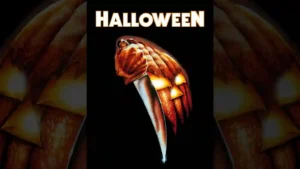
Best for slow-burn suspense, iconic synth music, and shadow-soaked filmmaking that still feels influential. Skip it if you need fast pacing, polished sound, consistently natural dialogue, or modern gore-heavy kills.
Pros: chemistry between characters, directing quality
Cons: sound design, dialogue quality